Acacia nilotica subsp. adansonii
(Guill. et Perr.) Brenan
gbif· cc-by-nc-sa
MBG
gbif· cc-by-nc-sa
MBG
gbif· cc-by-nc-sa
MBG
Description
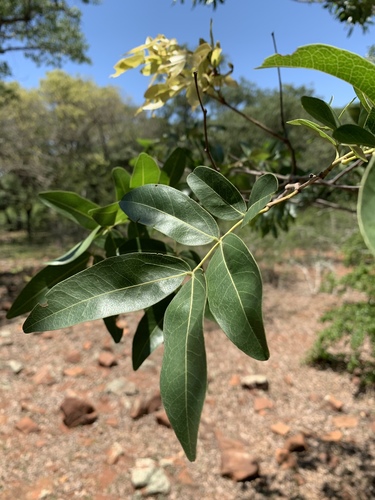
A shrub or small tree. It grows 5 m tall. There are prickles along the stem. The leaves are twice divided and there are 8-18 pairs of pinnae. There are up to 50 pairs of pinnules on each pinnae. The flowers are yellow. They are in large clusters at the ends of branches. The pods are flattened.
Edible Uses
The pods, shoots, and leaves are edible.
Traditional Uses
It is considered to improve milk production in women.
This uses section is brief — help expand it
Medicinal Uses
It is considered to improve and stimulate milk production in women.
Distribution
It is a tropical plant. It grows in the Sahel.
Where It Grows
Africa, Pakistan, Sahel, Senegal, West Africa,
Notes
There are about 1,350 Acacia species. Over 1,000 occur in Australia. Also as Mimosaceae. It can stimulate milk production.
Synonyms
References (4)
- Jardin, C., 1970, List of Foods Used In Africa, FAO Nutrition Information Document Series No 2.p 50
- Kew Bull. 12:85. 1957
- Lompo-Ouedraogo, Z., et al, 2004, Effect of aqueous extract of Acacia nilotica ssp adansonii on milk production and prolactin release in the rat. J Endocrinol. 2004 Aug;182(2):257-66.
- Maydell, H. von, 1990, Trees and shrubs of the Sahel: their characteristics and uses. Margraf. p 123