Ficus umbellata
Vahl
iNaturalist· cc-by-nc
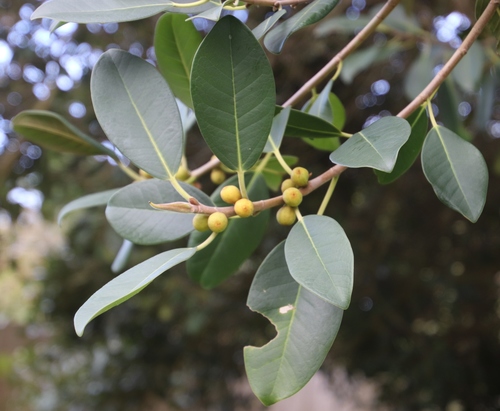
(c) Carel Jongkind, some rights reserved (CC BY-NC), uploaded by Carel Jongkind
iNaturalist· cc-by-nc
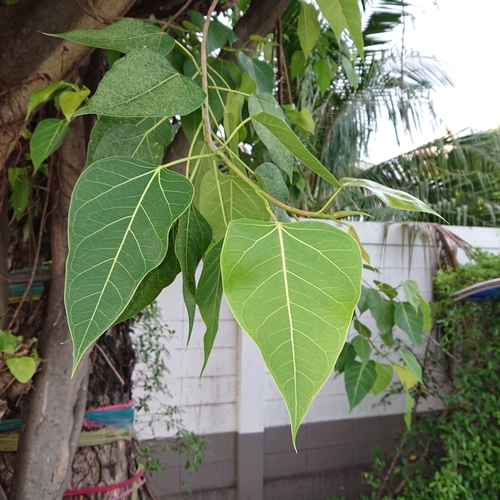
(c) Jim Lin, some rights reserved (CC BY-NC)
Description
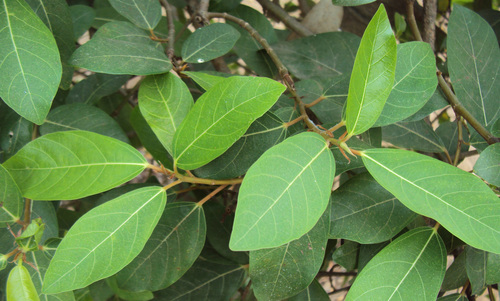
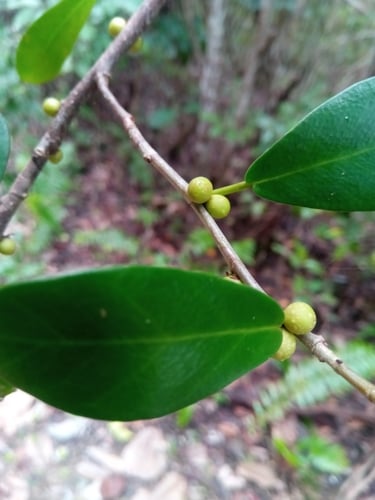
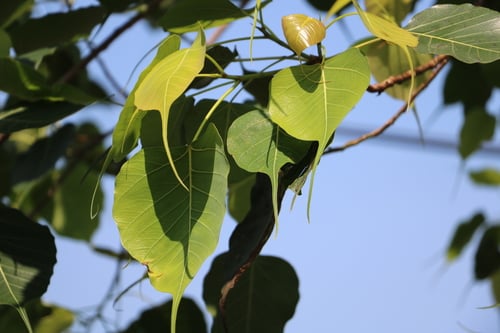
A strangling fig. It grows attached to other plants It can become a tree 12 m high. The trunk is short and has several branches. The figs are scattered along the branches. The leaves are wavy along the edge.
Edible Uses
The fruit, leaves, and buds are edible.
Distribution
A tropical plant. It grows in the dense evergreen forest and in dry wooded savannah. It grows at low altitudes.
Where It Grows
Africa, Angola, Benin, Burkina Faso, Central Africa, Central African Republic, CAR, Congo R, Congo DR, Côte d'Ivoire, East Africa, Gabon, Ghana, Guinea, Guinée, Guinea-Bissau, Ivory Coast, Malawi, Mali, Niger, Nigeria, Sahel, Senegal, Sierra Leone, Togo, West Africa,
Cultivation
The pollinating wasp is Courtella medleri (Wiebes).
Notes
There are about 800-1000 Ficus species. They are mostly in the tropics. There are 120 Ficus species in tropical America.
Also Known As
Amara, Cago, Gyedua, Iaga, Mambeia, Mambia, Unfor, Unk, Unque, Urque
References (8)
- Abbiw, D.K., 1990, Useful Plants of Ghana. West African uses of wild and cultivated plants. Intermediate Technology Publications and the Royal Botanic Gardens, Kew. p 47
- Burkill, H. M., 1985, The useful plants of west tropical Africa, Vol. 4. Kew.
- Busson, 1965,
- Enum. pl. 2:182. 1805
- Hahn, K., et al, 2018, The Use of Wild Plants for Food: a National Scale Analysis for Burkina Faso (West Africa) Flora et Vegetatio Sudano-Sambesica 21, 25-33
Show all 8 references Hide references
- Jardin, C., 1970, List of Foods Used In Africa, FAO Nutrition Information Document Series No 2.p 138
- Peters, C. R., O'Brien, E. M., and Drummond, R.B., 1992, Edible Wild plants of Sub-saharan Africa. Kew. p 152
- www.figweb.org