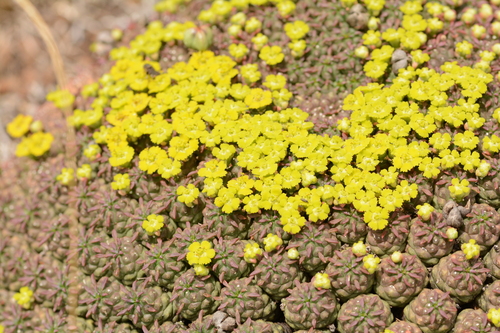
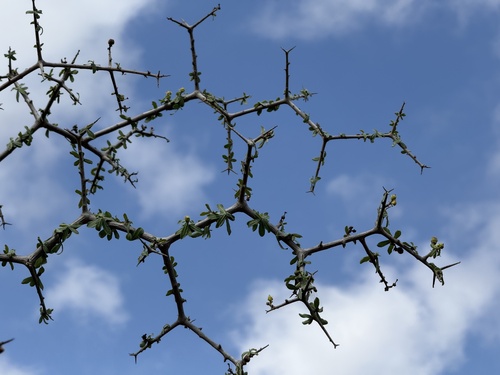
Euphorbia canariensis
Linn.
Hercules club
iNaturalist· cc-by-nc
(c) Cesar Pollo, some rights reserved (CC BY-NC), uploaded by Cesar Pollo
iNaturalist· cc-by-nc
(c) josecaballerosantana, some rights reserved (CC BY-NC)
iNaturalist· cc-by-nc
(c) Osvaldo Negra, some rights reserved (CC BY-NC)
Summary
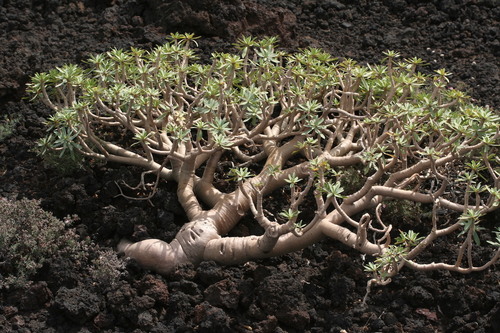
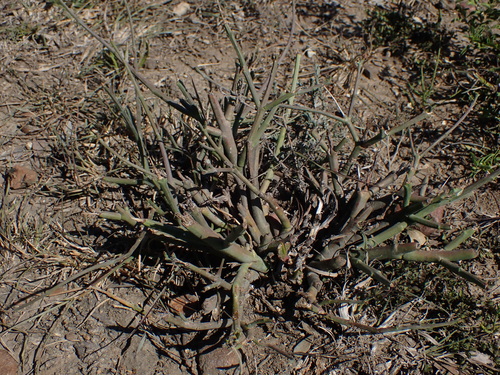
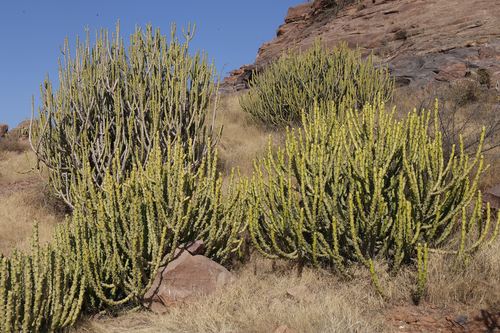
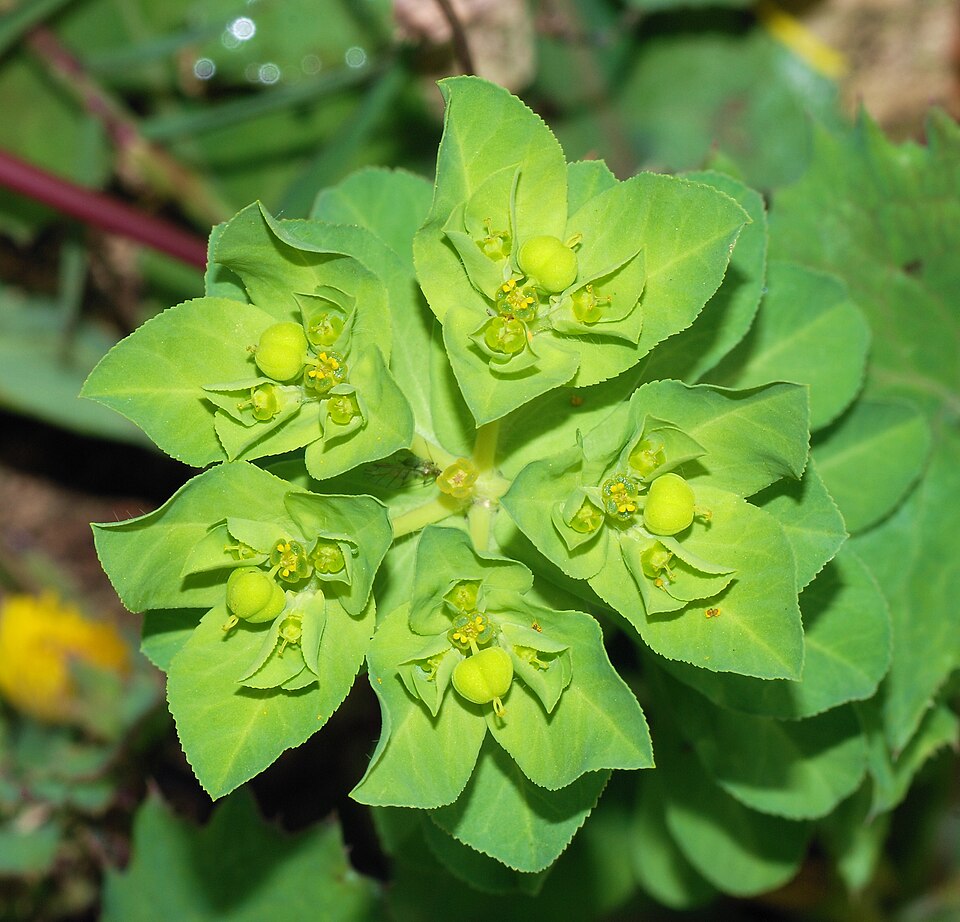
Source: WikipediaEuphorbia canariensis, commonly known as the Canary Island spurge, Hercules club or in Spanish cardón, is a succulent member of the genus Euphorbia and family Euphorbiaceae endemic to the Canary Islands. It is the plant symbol of the island of Gran Canaria.
Description
An herb in the Euphorbiaceae family found in temperate regions.
This description is brief — help expand it
Edible Uses
The inner part of the stem is sucked to quench thirst after the bark is removed.
Traditional Uses
Caution: All Euphorbias or spurges have irritating sap and many have chemicals that can cause cancer. The inner part of the stem is sucked to quench thirst after the bark is removed.
Known Hazards
All Euphorbias or spurges have irritating sap and many have chemicals that can cause cancer.
Distribution
It is a temperate plant. In Hobart Botanical Gardens.
Where It Grows
Australia, Canary Islands, Slovenia, Tasmania,
Also Known As
Kanarski mleček
References (2)
- Hedrick, U.P., 1919, (Ed.), Sturtevant's edible plants of the world. p 303
- Sp. pl. 1:450. 1753