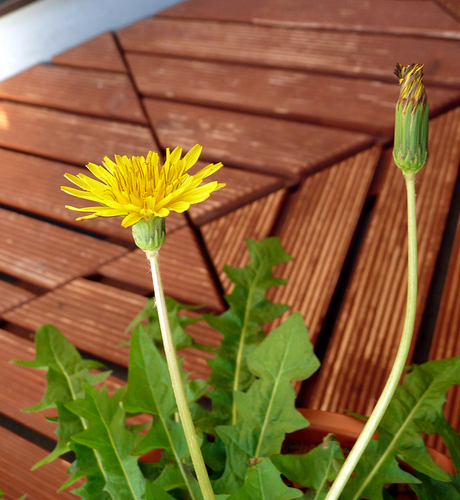
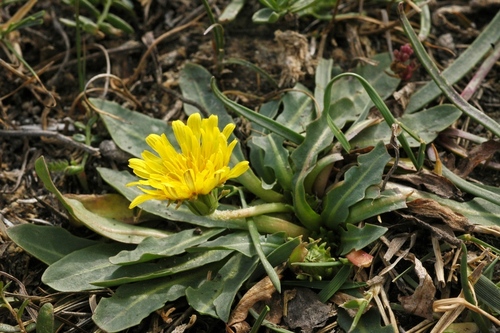
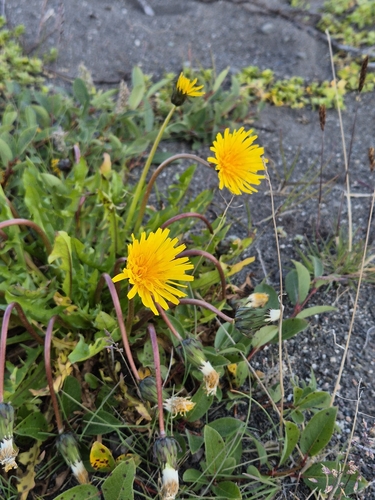
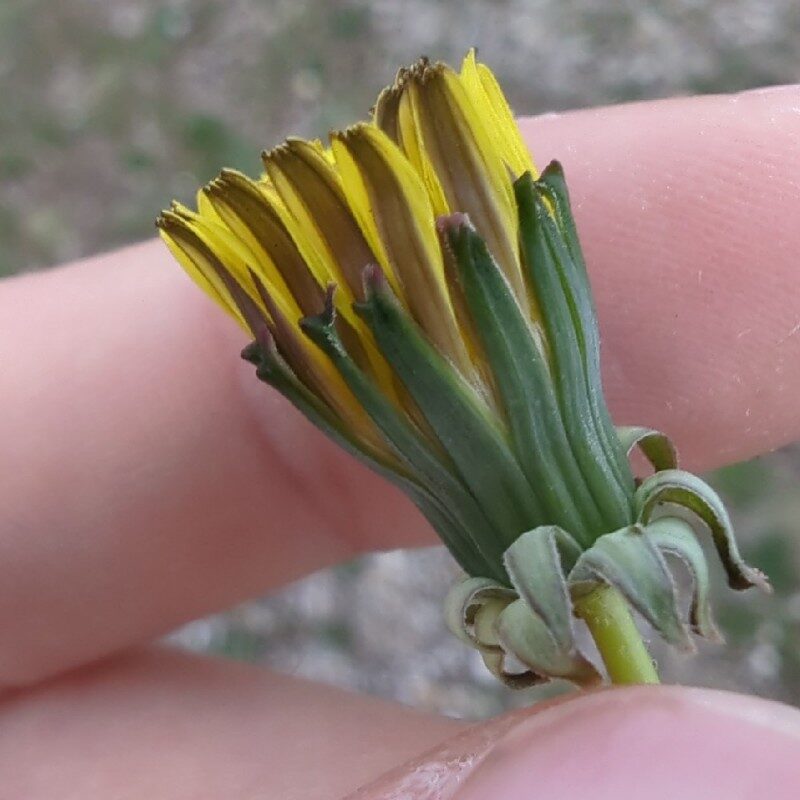
Carlina vulgaris
Linn.
Carline thistle
iNaturalist· cc-by
(c) agujaceratops, some rights reserved (CC BY), uploaded by agujaceratops
iNaturalist· cc-by-nc
(c) David Bellamy, some rights reserved (CC BY-NC), uploaded by David Bellamy
iNaturalist· cc-by
(c) Kostas Zontanos, some rights reserved (CC BY), uploaded by Kostas Zontanos
Summary
Source: WikipediaCarlina vulgaris, the carline thistle, is a plant species of the genus Carlina. It is a biennial that grows on limestone, chalky or other alkaline grasslands or dunes. The flowers are clusters of very small brown florets surrounded by brown-golden bracts. Both feel dry and spiky, so at first glance the plants appear to be dying when in full flower. The green leaves are spiny and may have hairs. Plants are often short but can reach 60 cm. It originates from Europe, north Africa and Asia but is also found in other parts of the world such as North America. It is considered an invasive species in parts of its introduced range.
Description
A thistle herb that has a 2 year life-cycle. It grows 50 cm high and spreads 50 cm wide. The stem is erect and stiff. It has a purple tinge. The leaves in the first year are flat and strap like. They are hairy and have spines. The leaves in the second year are sword shaped and stiff with bristles. The edges are wavy. The leaves on the stem clasp the stem. The flowers are yellow with purple towards the centre. They are in clusters of 2-5. The fruit are cylinder shaped nutlets.
Edible Uses
The flowering head is eaten cooked and used as a substitute for globe artichoke, though the heads are considerably smaller and even more fiddly to prepare.
Traditional Uses
The flower receptacles are used like an artichoke. The young leaves are boiled in mixtures of leafy vegetables.
This uses section is brief — help expand it
Medicinal Uses
The roots and leaves are both diaphoretic and purgative.
Distribution
It is a temperate plant. It grows on dry chalky soils often in stony places. It is resistant to drought and frost.
Where It Grows
Asia, Australia, Britain*, Europe, Italy, Luxembourg, Mediterranean,
Cultivation
Succeeds in a sunny position in ordinary garden soil. Prefers an alkaline soil. Prefers a poor soil. Plants are hardy to about -15°c. The presence of this species in a meadow usually indicates a poor sandy soil. This species resents root disturbance, it should be planted into its final position as soon as possible.
Propagation
Surface sow seed in a cold frame in spring. Seed typically germinates in 4–8 weeks at 15°C. Prick seedlings out into individual pots as soon as they are large enough to handle, then plant out into permanent positions in summer.
Other Uses
The flower heads expand in dry weather and close in moist weather. Dried flowers continue to respond to humidity for a long time, making them a simple hygrometer useful for weather forecasting.
Notes
There are about 20-28 Carlina species.
Also Known As
Carducci
References (6)
- Bircher, A. G. & Bircher, W. H., 2000, Encyclopedia of Fruit Trees and Edible Flowering Plants in Egypt and the Subtropics. AUC Press. p 84
- Biscotti, N. & Pieroni, A., 2015, The hidden Mediterranean diet: wild vegetables traditionally gathered and consumed in the Gargano area, Apulia, SE Italy. Acta Societatis Botanicorum Poloniae 84 (3): 327-338
- Biscotti, N. et al, 2018, The traditional food use of wild vegetables in Apulia (Italy) in the light of Italian ethnobotanical literature. Italian Botanist 5:1-24
- Bodkin, F., 1991, Encyclopedia Botanica. Cornstalk publishing, p 215
- Facciola, S., 1998, Cornucopia 2: a Source Book of Edible Plants. Kampong Publications, p 35
Show all 6 references Hide references
- Hedrick, U.P., 1919, (Ed.), Sturtevant's edible plants of the world. p 164