Boquila trifoliolata
(DC.) Decne.
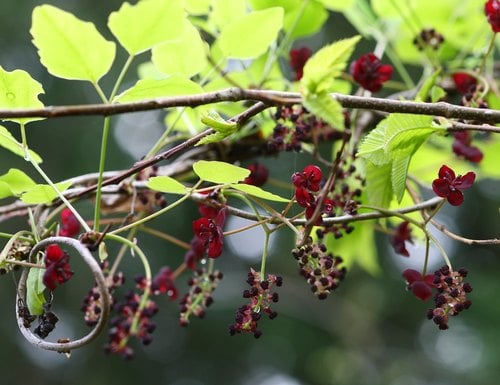
Boquila berries
iNaturalist· cc-by-nc-sa
(c) Claudio Maureira, some rights reserved (CC BY-NC-SA), uploaded by Claudio Maureira
iNaturalist· cc-by-nc
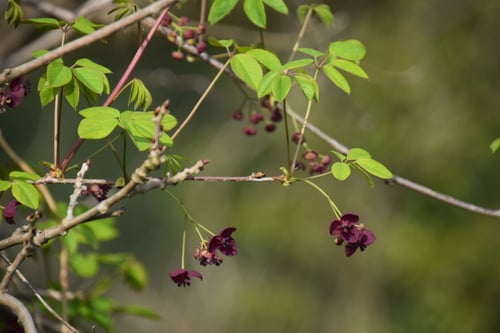
(c) Ignacio Diaz Venegas, some rights reserved (CC BY-NC), uploaded by Ignacio Diaz Venegas
iNaturalist· cc-by-nc
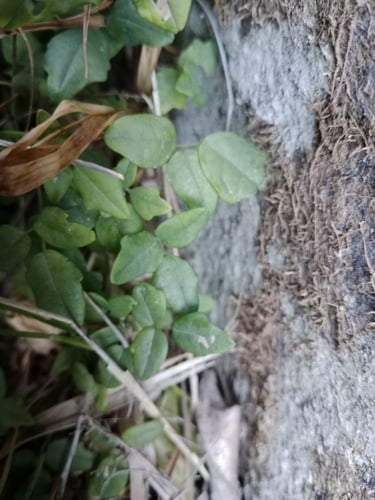
(c) J. Eduardo Machacán, some rights reserved (CC BY-NC)
Description
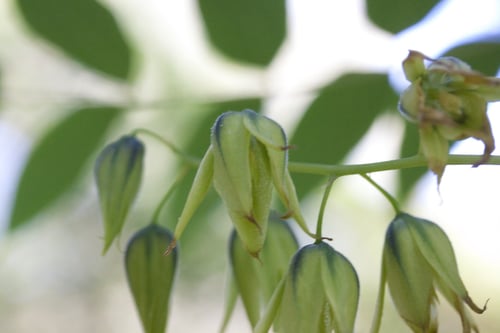
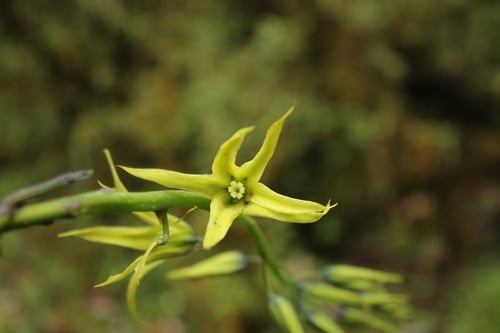
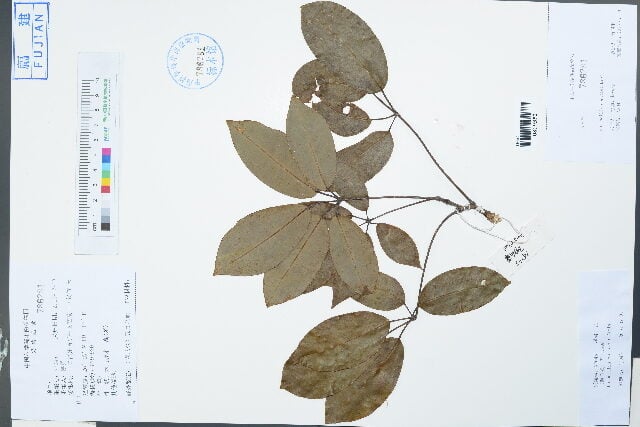
A shrub or climbing vine. It grows 1-2 m high. It can be 6 m high. The leaves are compound. They have oval and leathery leaflets. Male and female flowers are in separate plants. The flowers are white and have 6 petals. The flowers have a scent. The fruit are berries the size of a pea. They are almost white. It has a few seeds. It is edible.
Edible Uses
The berries are edible and eaten.
Distribution
It grows in temperate forests in Chile. It grows from sea level to 2,000 m altitude. It grows in water. It can only tolerate short dry periods. It can grow in shade. It suits hardiness zone 8. It can tolerate light frosts and occasional snow.
Where It Grows
Argentina, Chile*, South America,
Cultivation
Plants can be grown from seeds. Male and female plants are needed for fruit. Plants can be grown from woody stem cuttings.
Notes
There is only one Boquila species.
Synonyms
Also Known As
Baquil-blianca, Pilpil, Voqui
References (8)
- Ann. Sci. Nat Ser. 2. 12:103. 1839
- Bircher, A. G. & Bircher, W. H., 2000, Encyclopedia of Fruit Trees and Edible Flowering Plants in Egypt and the Subtropics. AUC Press. p 61
- Christenhusz, M. J. M., 2012, An overview of Lardizabalaceae. Curtis Botanical magazine 2012 vol. 29(3): pp 235-276
- Hedrick, U.P., 1919, (Ed.), Sturtevant's edible plants of the world. p 109
- Heywood, V.H., Brummitt, R.K., Culham, A., and Seberg, O. 2007, Flowering Plant Families of the World. Royal Botanical Gardens, Kew. p 181
Show all 8 references Hide references
- Leon-Lobos, P., et al, 2022, Patterns of Traditional and Modern Uses of Wild Edible Native Plants of Chile: Challenges and Future Perspectives. Plants (Basel) v 11 (6) Table S1
- World Checklist of Useful Plant Species 2020. Royal Botanic Gardens, Kew
- www.chileflora.com