Athamanta cretensis
Linn.
Candy carrot
wikimedia· cc-by-sa
Wikimedia Commons - H. Zell
wikimedia· cc-by
Wikimedia Commons - Robert Flogaus-Faust
Description
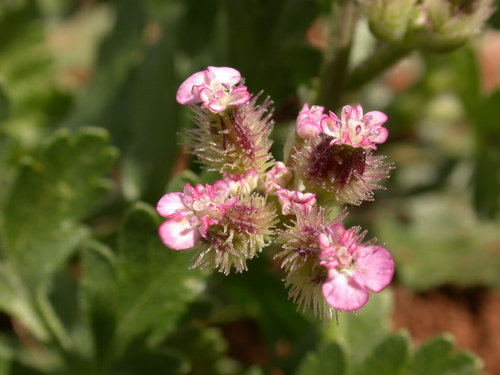
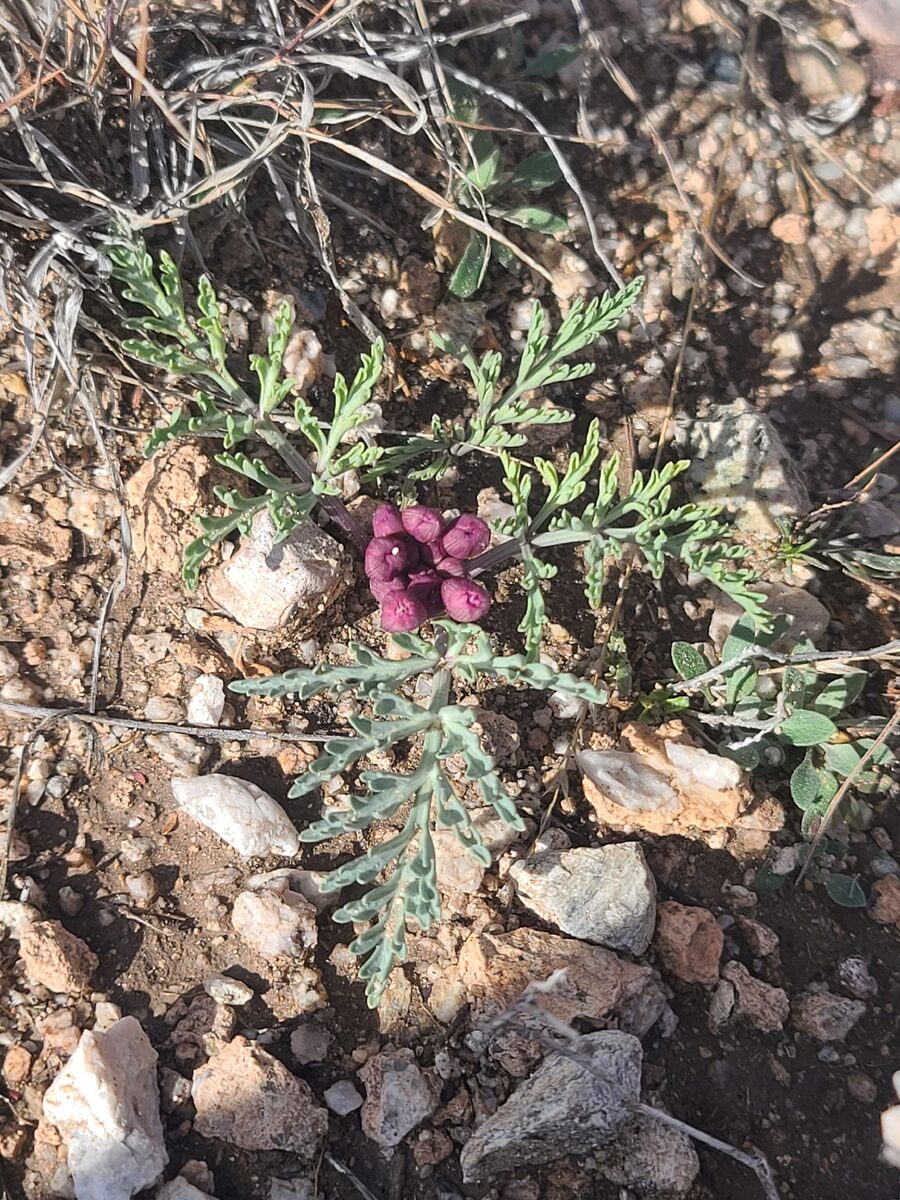
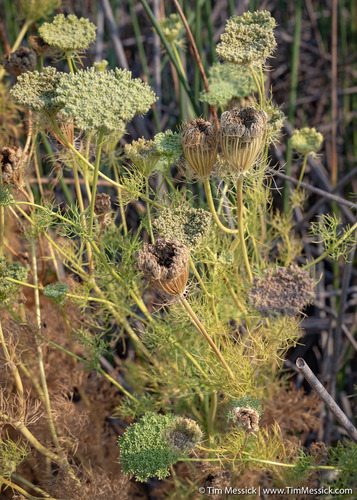
A herb. It has a dense covering of hairs. The leaves are broad with deep irregular segments.
This description is brief — help expand it
Edible Uses
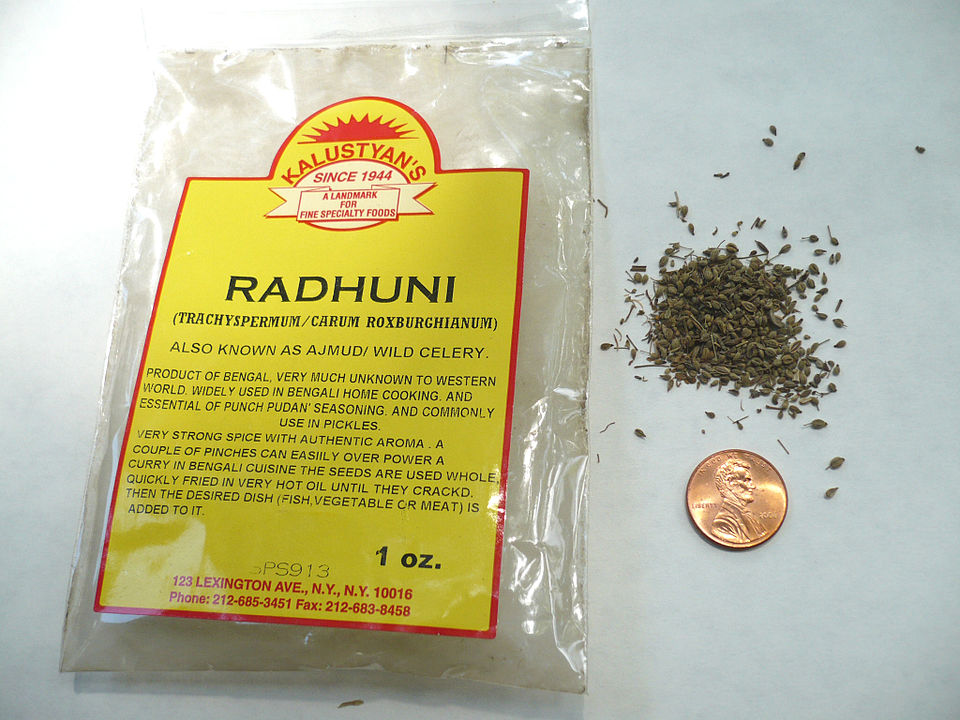
Edible Parts: Edible Uses: Condiment The seed is used as a flavouring. An agreeable liquor is made from it.
Traditional Uses
The seeds are used to flavour a liqueur. They whole plant is used for flavouring.
This uses section is brief — help expand it
Medicinal Uses
None known
Distribution
It is a Mediterranean climate plant.
Where It Grows
Albania, Europe, Mediterranean,
Propagation
Seed - sow spring in a cold frame. Germination usually takes place within 3 - 6 weeks at 13°c. When they are large enough to handle, prick the seedlings out into individual pots and grow them on in the greenhouse for at least their first winter. Plant them out into their permanent positions in late spring or early summer, after the last expected frosts. The seed can also be sown in situ as soon as the soil is workable in the spring. Division in spring, with care.
Other Uses
None known Special Uses
Notes
There are 15 Athamantha species.
References (3)
- Bircher, A. G. & Bircher, W. H., 2000, Encyclopedia of Fruit Trees and Edible Flowering Plants in Egypt and the Subtropics. AUC Press. p 47
- Facciola, S., 1998, Cornucopia 2: a Source Book of Edible Plants. Kampong Publications, p 16
- Hedrick, U.P., 1919, (Ed.), Sturtevant's edible plants of the world. p 85