Acacia ferruginea
DC.
Rusty acacia
iNaturalist· cc-by-nc-sa
(c) Shivam Bhatt, some rights reserved (CC BY-NC-SA)
iNaturalist· cc-by-nc-sa
(c) Shivam Bhatt, some rights reserved (CC BY-NC-SA)
iNaturalist· cc-by-nc
(c) Shiwalee Samant, some rights reserved (CC BY-NC)
Description
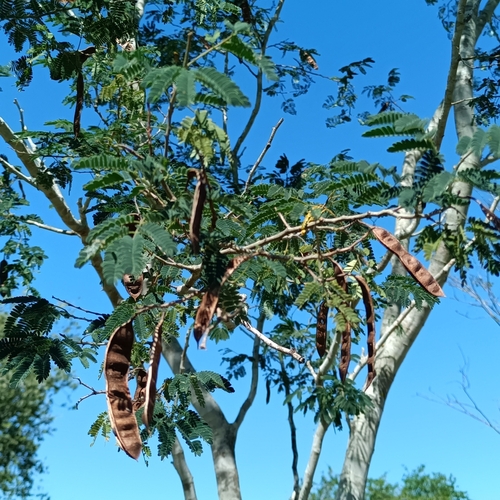
A shrub or small tree. It grows 5 m tall. There are prickles along the stem. The leaves are twice divided and there are 8-18 pairs of pinnae. There are up to 50 pairs of pinnules on each pinnae. The flowers are yellow. They are in large clusters at the ends of branches. The pods are flattened.
Edible Uses
The bark is used to make a drink and the gum is consumed.
Distribution
It is a tropical plant. It is drought resistant.
Where It Grows
Asia, India, Myanmar, SE Asia, Sri Lanka,
Production
Plants flower March to May and pods ripen November to February.
Notes
There are about 1,350 Acacia species. Over 1,000 occur in Australia. Also as Mimosaceae.
Synonyms
Also Known As
Ansandra, Banni, Banni mara, Kaigu, Kanta chira, Karivelam, Khour, Khaiger, Kiri banni, Safed khair, Sha-byu
References (5)
- Hedrick, U.P., 1919, (Ed.), Sturtevant's edible plants of the world. p 19
- ILDIS Legumes of the World http:www;ildis.org/Legume/Web
- Prashanth Kumar, G.M. and Shiddamallayya, N., 2015, Ethnobotanical Study of Less Known Wild Edible Plants of Hakki Pikki Tribes of Angadihalli, Hassan Districtm Karnataka. Journal or Medicinal Plants Studies 3(5):80-85
- Prodr. 2:458. 1825
- www.worldagroforestry.org