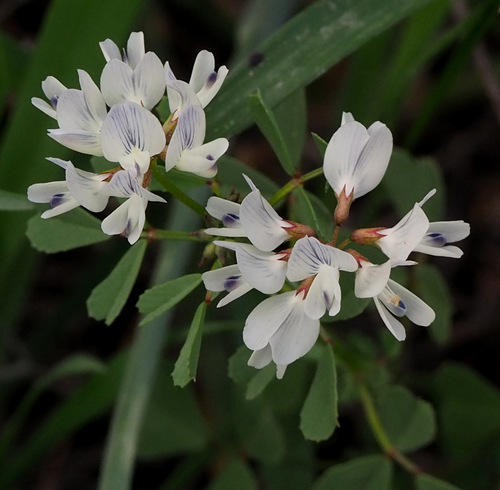
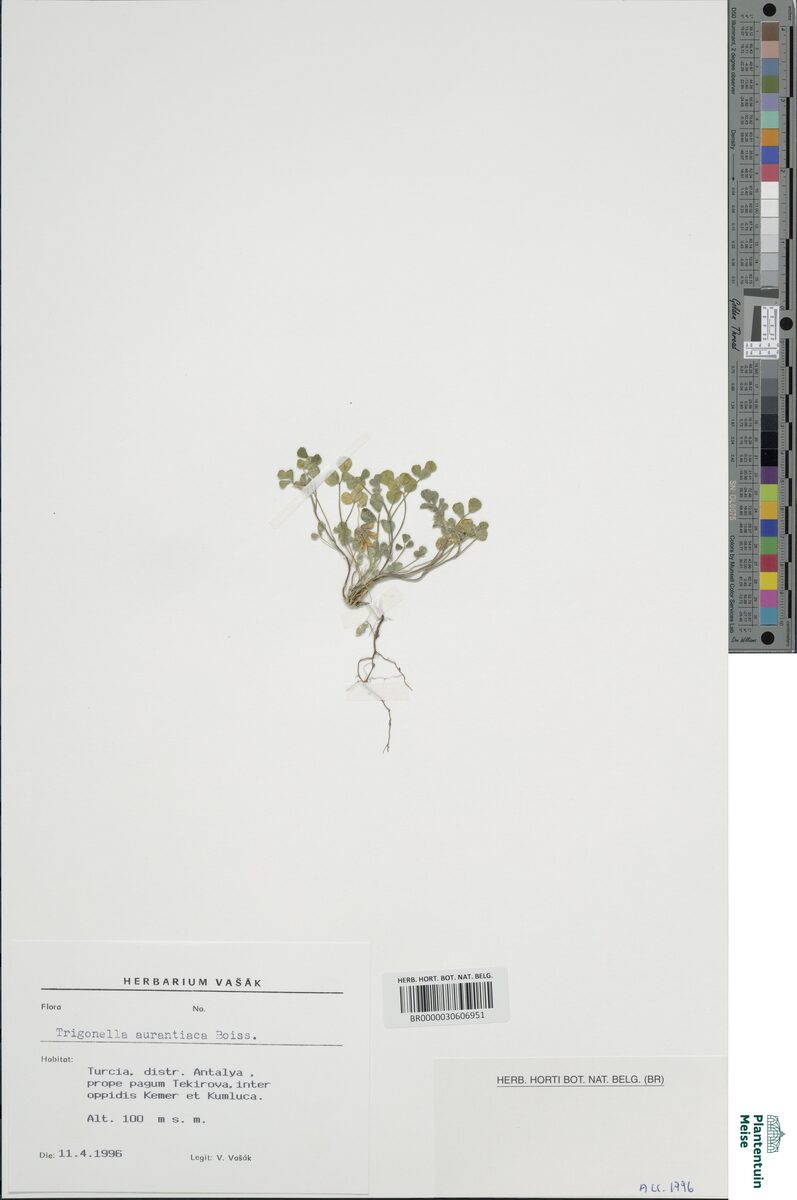
Apios priceana
Robins
Groundnut, Price’s potato-bean, Traveller’s delight
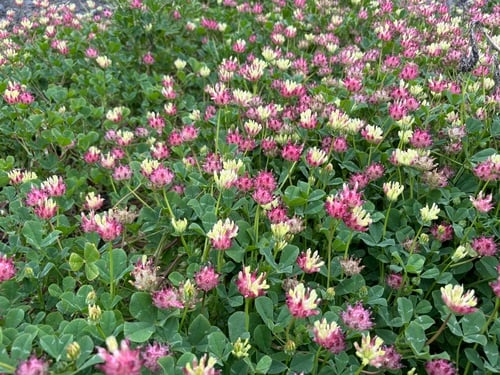
iNaturalist· cc-by-nc
(c) Tara Rose Littlefield, some rights reserved (CC BY-NC), uploaded by Tara Rose Littlefield
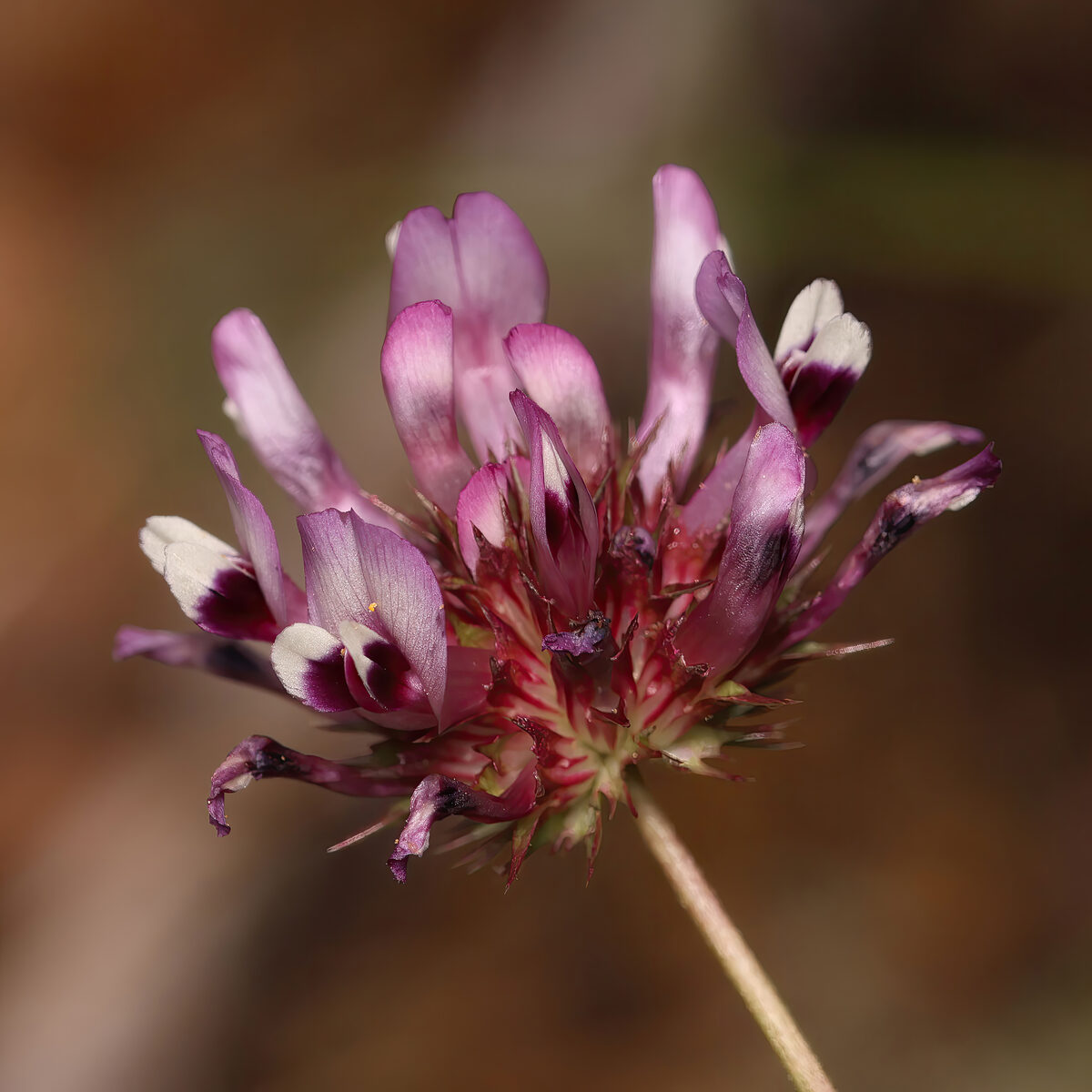
iNaturalist· cc-by-sa
(c) Brian Finzel, some rights reserved (CC BY-SA), uploaded by Brian Finzel
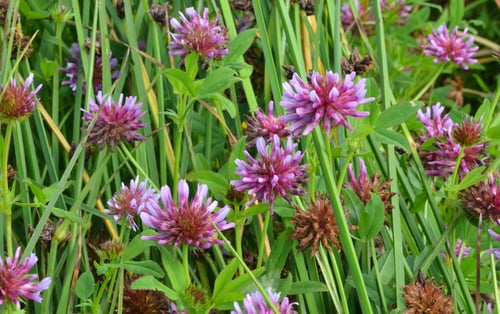
iNaturalist· cc-by-nc
(c) ThePrairiePreacher, some rights reserved (CC BY-NC), uploaded by ThePrairiePreacher
Summary
Source: WikipediaApios priceana is a rare species of flowering plant in the legume family known by the common names Price's potato-bean, Price's groundnut, and traveler's delight. It is a climbing yellow-green vine growing from a stout, potato-like tuber. The plant is native to the Southeastern United States.
Description
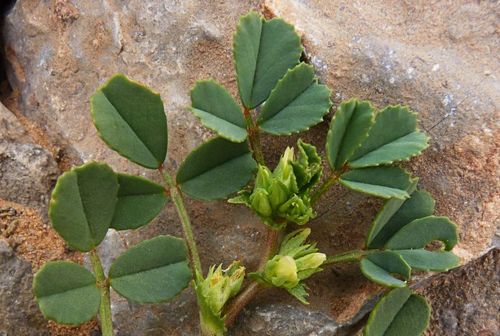
A vine that keeps growing from year to year. It grows 4 m high. The stem is slender and green. It is twining. The leaves are bright green and divided into leaflets. There are 5-7 oval leaflets that taper to the end. The underground tuber is 17.5 cm across. The flowers are greenish-white and pea shaped.
Edible Uses
Edible Parts: Root Edible Uses: Tuber - raw or cooked. It has a delicious flavour somewhat like sweet potatoes when roasted. The tuber can also be dried and ground into a powder. The tuber is solitary, unlike other members of this genus that produce strings of tubers. The tuber can be 15cm thick and somewhat longer.
Medicinal Uses
None known
Distribution
It is a temperate plant. It needs a moist humus-rich soil. It needs a sheltered partly shaded position. It is resistant to frost but damaged by drought. It suits hardiness zone 6.
Where It Grows
Australia, North America, USA*,
Cultivation
We have very little information on this species and do not know if it will be hardy in Britain, though judging by its native range it should succeed outdoors in many parts of this country. The following notes are based on the general needs of the genus. Prefers a light rich soil and a sunny position. Another report says that it prefers light dappled shade. Tolerates acid soils. A climbing plant, supporting itself by twining around the thin branches of shrubs. This species has a symbiotic relationship with certain soil bacteria, these bacteria form nodules on the roots and fix atmospheric nitrogen. Some of this nitrogen is utilized by the growing plant but some can also be used by other plants growing nearby. Growth habit is a single or multiple shooting vine from a crown. Herbaceous.
Propagation
Seed - pre-soak for 3 hours in tepid water and sow February/March in a cold frame. The seed usually germinates in 1 - 3 months at 15°c. When large enough to handle, prick the seedlings out into individual pots and grow them on in light shade in the greenhouse for their first winter, planting them out in late spring or early summer. Division can be carried out at almost any time of the year, though spring is probably the best time. Simply dig up the roots, harvest the tubers and replant them where you want the plants to grow. It is also possible to harvest the tuber in winter, store them in a cool fairly dry but frost-free place over the winter and then plant them out in the spring. The tubers lose moisture rapidly once they have been harvested, so make sure that you store them in a damp medium such as leafmold.
Other Uses
Nitrogen fixer. Special Uses Food Forest Nitrogen Fixer
Notes
There are 10 Apios species.
Synonyms
References (8)
- Bodkin, F., 1991, Encyclopedia Botanica. Cornstalk publishing, p 91
- Bot. Gaz. 25:451. 1898
- Elias, T.S. & Dykeman P.A., 1990, Edible Wild Plants. A North American Field guide. Sterling, New York p 149
- Jackes, D. A., Edible Forest Gardens
- Morley, B. & Everard, B., 1970, Wild Flowers of the World. Ebury press. Plate 153
Show all 8 references Hide references
- onecommunityglobal.org
- Plants for a Future database, The Field, Penpol, Lostwithiel, Cornwall, PL22 0NG, UK. http://www.scs.leeds.ac.uk/pfaf/
- Tozer, F., 2007, The Uses of Wild Plants. Green Man Publishing. p 30