Heracleum moellendorffii
Hance
North eastern cow parsnip
iNaturalist· cc-by-nc
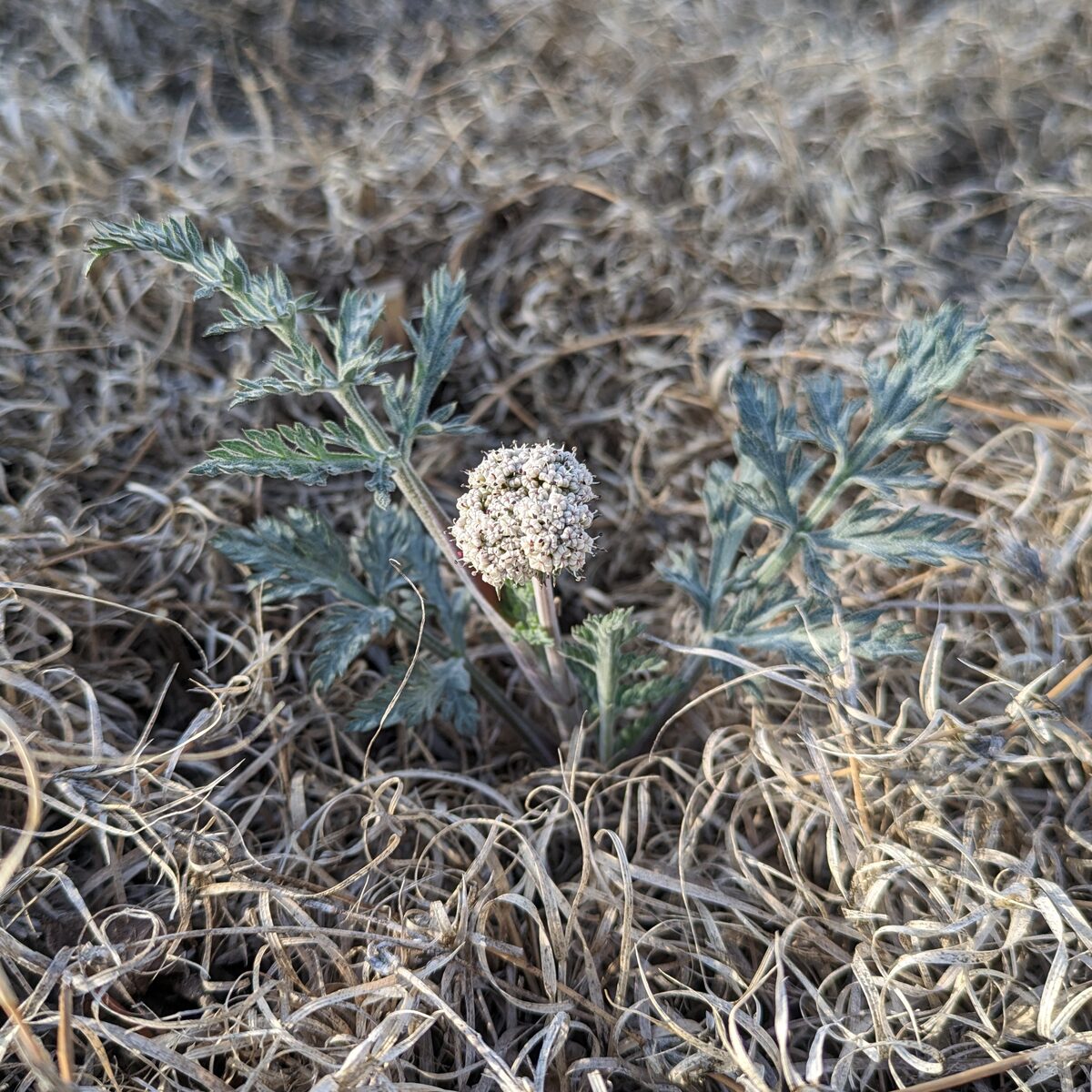
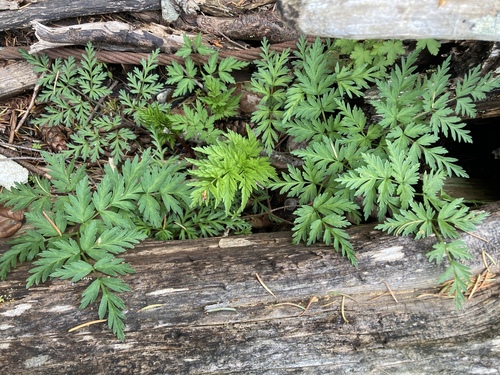
(c) Lee, seong-won, some rights reserved (CC BY-NC), uploaded by Lee, seong-won
iNaturalist· cc-by-nc
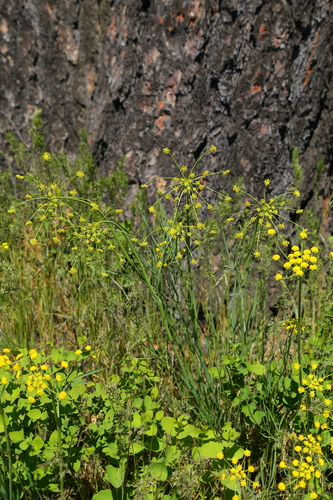
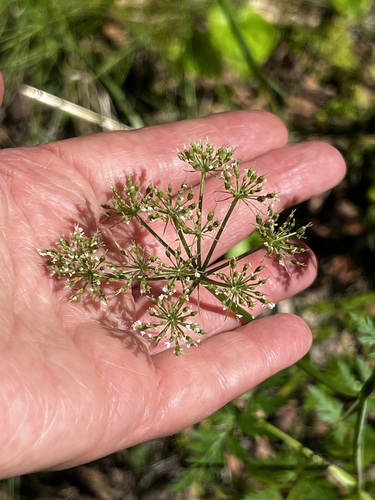
(c) lee_meow, some rights reserved (CC BY-NC)
Description
A herb. It keeps growing from year to year. It grows 1 m high. The roots are cone shaped and greyish-yellow. The stems are cylinder shaped and hollow. They have lines along them. The leaves are on long leaf stalks. These form a sheath at the base. The leaf blade is oval and 16-19 cm long by 15-16 cm wide. There are leaflets along the stalk. The side leaflets are 8-9 cm long by 5-6 cm wide. They have lobes along them.
Edible Uses
Young plants are gathered as a potherb.
Traditional Uses
Young plants are gathered as a potherb.
This uses section is brief — help expand it
Distribution
It is a temperate plant. It is native to north eastern China and into Korea. It grows in alpine meadows and along streams up to 3,200 m above sea level. In Sichuan and Yunnan.
Where It Grows
Asia, China, Japan, Korea,
Other Information
It is a cultivated food plant.
Synonyms
Also Known As
Osuri
References (3)
- Bahadori, M. B. et al, 2016, The Genus Heracleum : A Comprehensive Review on Its Phytochemistry, Pharmacology, and Ethnobotanical Values as a Useful Herb. Comprehensive Reviews in Food Science and Food Safety. 15(6): p 1018-1039
- Hu, Shiu-ying, 2005, Food Plants of China. The Chinese University Press. p 598
- Pemberton, R. W. & Lee, N. S., 1996, Wild Food Plants in South Korea: Market Presence, New Crops, and Exports to the United States. Economic Botany, Vol. 50, No. 1, pp. 57-70