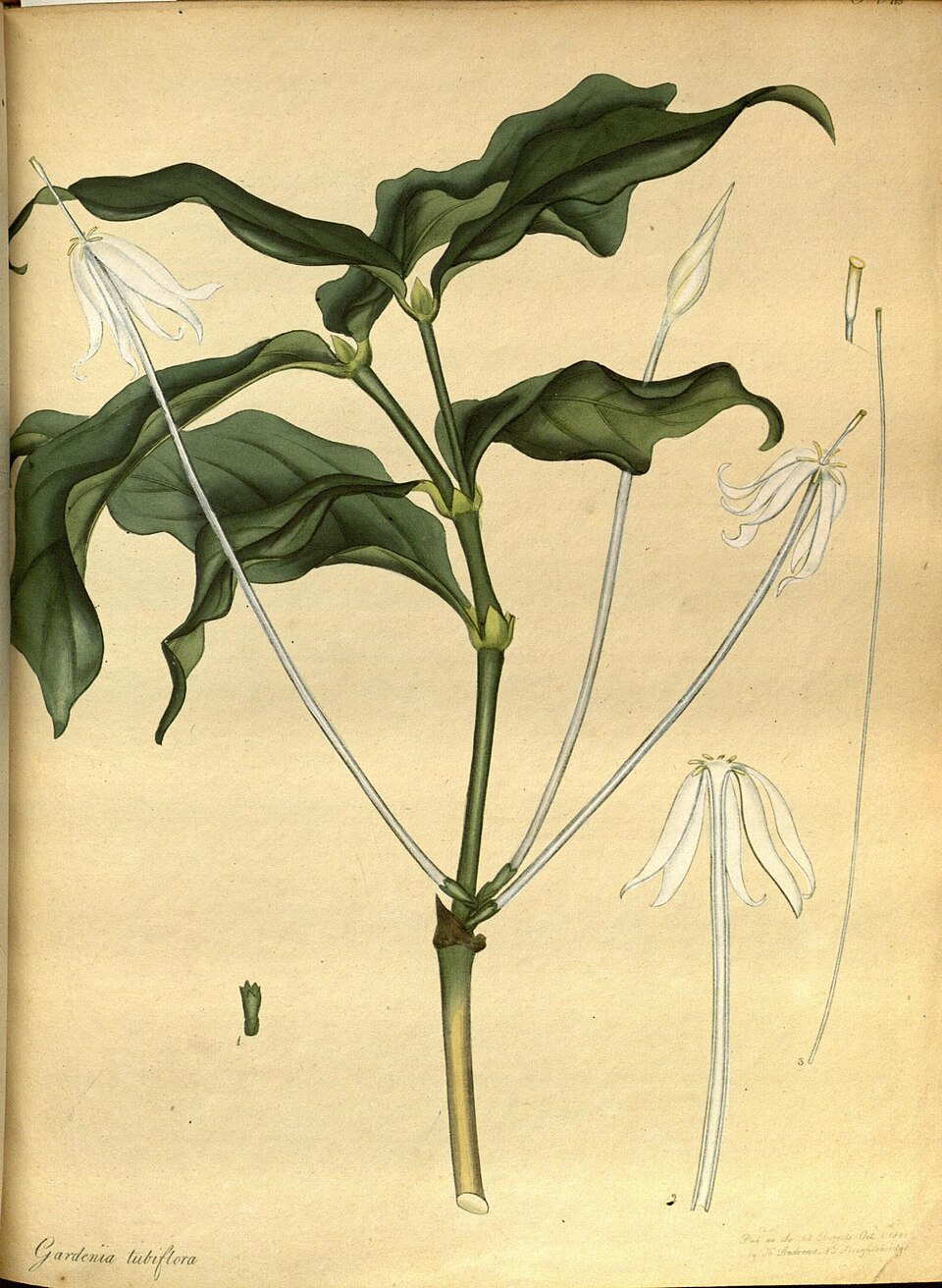
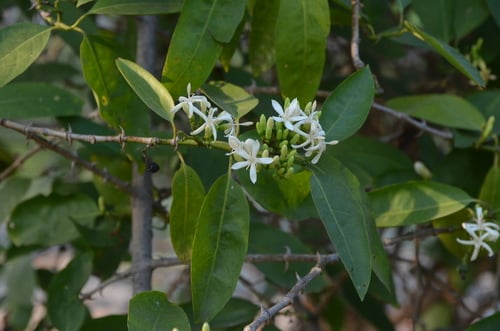
Tarenna asiatica
(L.) Kuntze ex K. Schumann
Asiatic tarenna
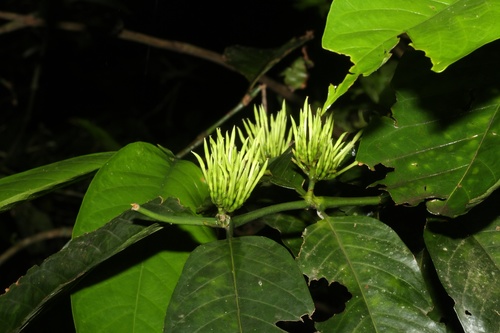
iNaturalist· cc-by-sa
(c) Delonix, some rights reserved (CC BY-SA)
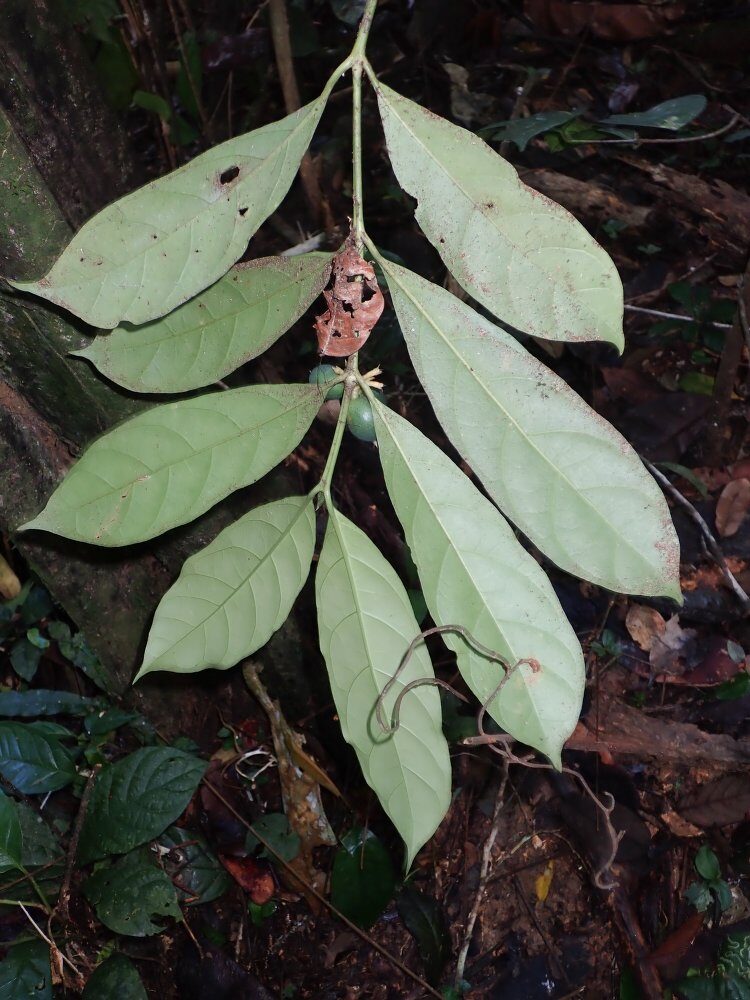
iNaturalist· cc-by-sa
(c) Dinesh Valke, some rights reserved (CC BY-SA)
Summary
Source: WikipediaTarenna asiatica, the Asiatic tarenna, is a species of flowering plants in the family Rubiaceae.
Description
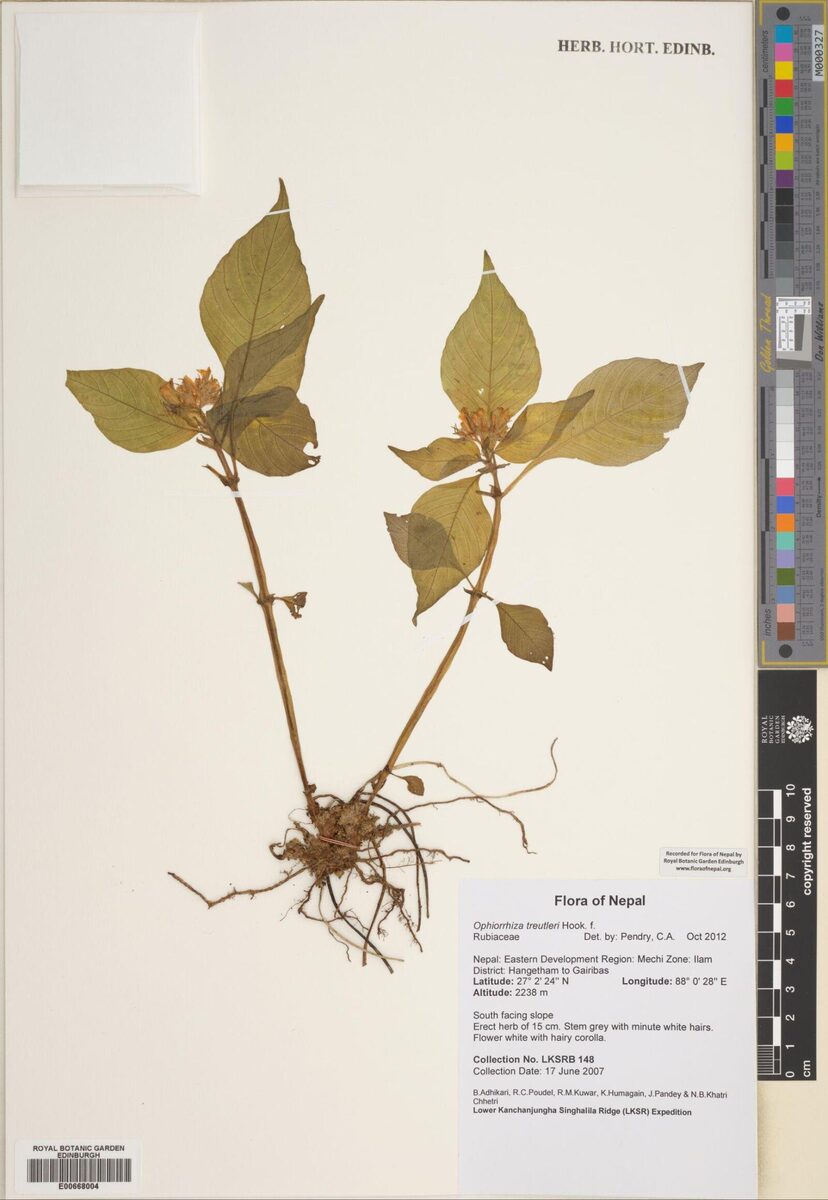
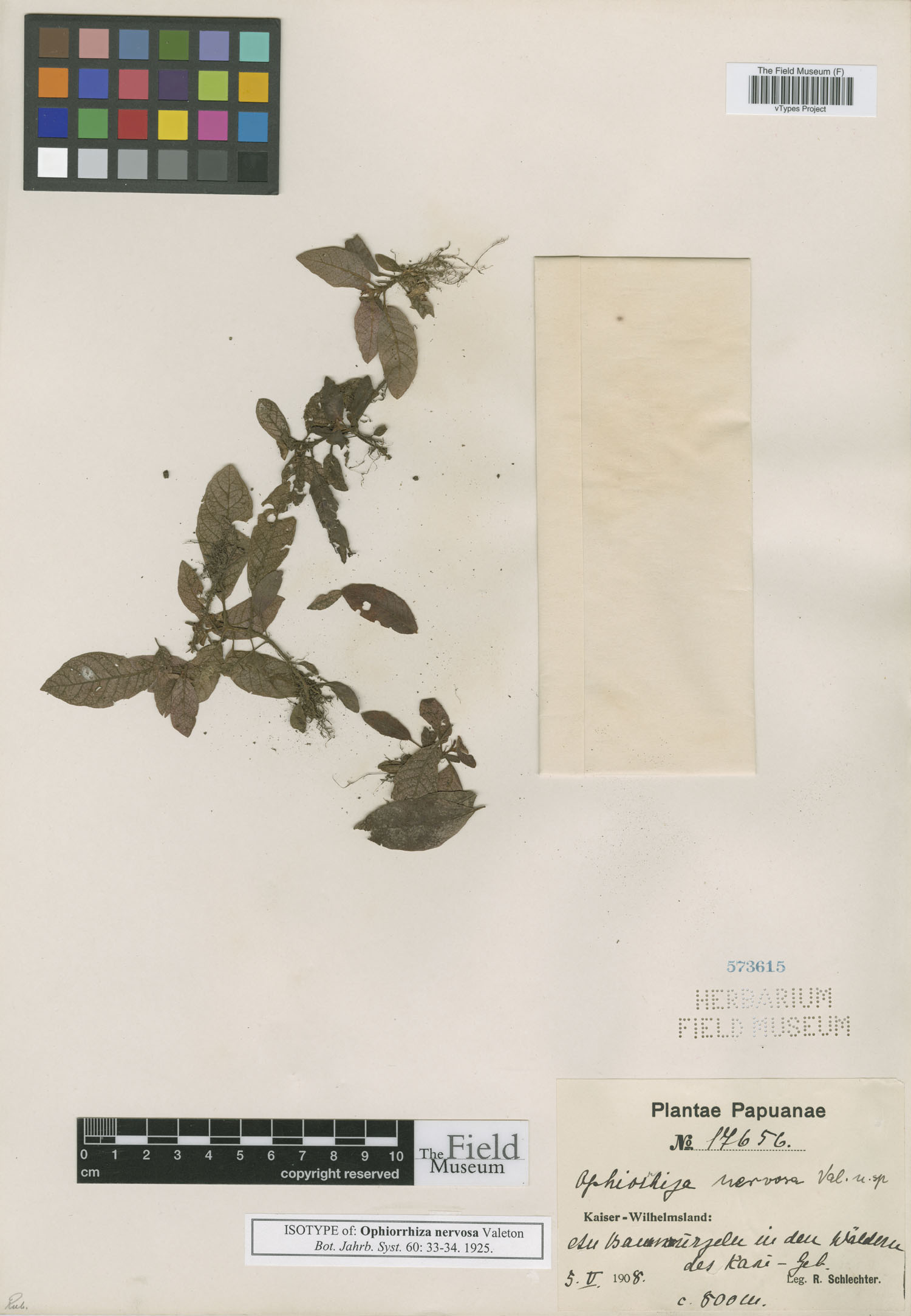
A large shrub or small tree. It grows 6 m tall. Young branches are angular. The leaves are simple and opposite. They overlap at the base. The leaf blades are 8-18 cm long by 4-8 cm wide. The edges of the leaves are entire and curled. The flowers are cream or yellow and in groups at the top of the plant. The fruit are round black berries. They are 6 mm across. They have 2 cells with seeds.
Edible Uses
The ripe fruit are eaten.
Traditional Uses
The ripe fruit are eaten.
This uses section is brief — help expand it
Medicinal Uses
Extracts of T. asiatica have been evaluated for use against dengue virus and Brucella.
Distribution
A tropical plant. It grows in the tropics. It grows on the edges of forests above 1,600 m above sea level.
Where It Grows
Asia, India, Indochina, Laos, SE Asia,
Notes
There are about 180-370 Tarenna species.
Synonyms
Also Known As
Bingi papadi, Dharani, Jhanjhauka, Kankra, Kare, Komi, Kommi, Konda papidi, Kottam, Kumngida, Kupi, Kuppipoovu, Patale, Pavattachedi, Pisin maram, Tharana, Tharani, Therani chedi
References (9)
- Ambasta, S.P. (Ed.), 2000, The Useful Plants of India. CSIR India. p 621 [As (Linn.)Alston]
- Arinathan, V., et al, 2007, Wild edibles used by Palliyars of the western Ghats, Tamil Nadu. Indian Journal of Traditional Knowledge. 6(1) pp 163-168 (As Chomelia asiatica var. rigida)
- Basha, S. K. M., Ethnobotanical Trees of Sri Lanka Malleswara Wildlife Sanctuary; Eastern Ghats, Andhra Pradesh.
- Kannan, M., et al, 2015, Ethnobotanical survey on wild edible plants of Kalrayan Hills, Salem District, Tamil Nadu, India. Global J. Res. Med Plants & Indigen. med. 4(12): 236-246
- Pullaiah, T., et al, Ethnobotany of India, Volume 1: Eastern Ghats and Deccan.
Show all 9 references Hide references
- Ramachandran, V. S., 2007, Wild edible plants of the Anamalais, Coimbatore district, western Ghats, Tamil Nadu. Indian Journal or Traditional Knowledge. 6(1) pp 173-176
- Reddy, K.R., 1989, Additional Notes on the Wild Edible Plants of India. J. Econ. Tax. Bot. Vol. 13 No. 1 pp 125-127
- Revis. gen. pl. 1:278. 1891 [As (L.) Kuntze]
- Schatz, G.E., 2001, Generic Tree Flora of Madagascar. Royal Botanical Gardens, Kew and Missouri Botanical Garden. p 342 (Genus)