Hedyotis capitellata
Wall.
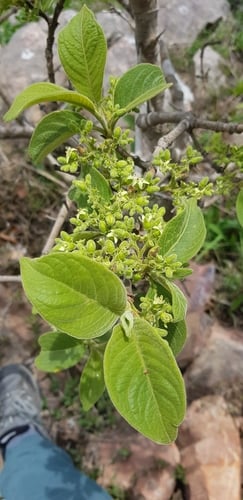
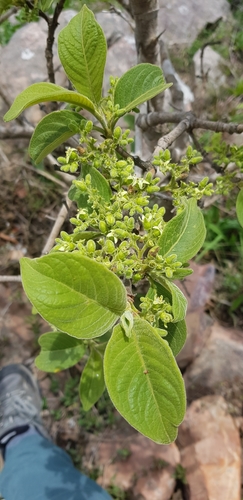
iNaturalist· cc-by-nc
(c) ab_satta, some rights reserved (CC BY-NC), uploaded by ab_satta
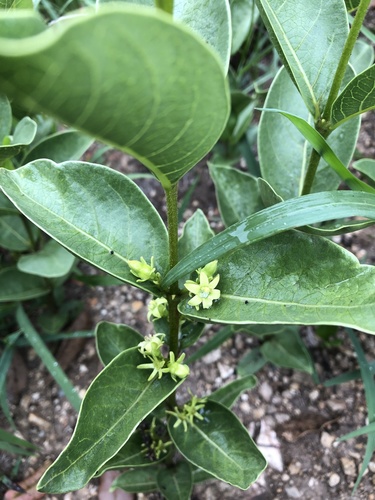
iNaturalist· cc-by-nc
(c) Tomas Maul, some rights reserved (CC BY-NC)
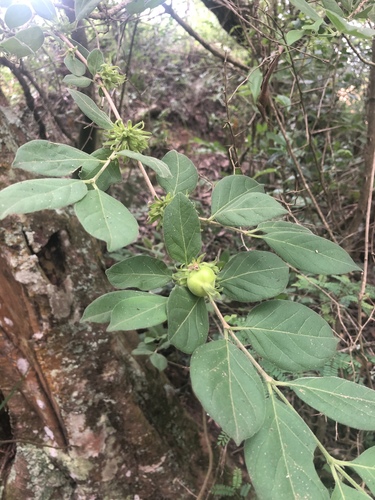
iNaturalist· cc-by-nc
(c) Tomas Maul, some rights reserved (CC BY-NC)
Description
A sprawling herb or small shrub. It can be climbing. It grows 1 m tall. The stems are slightly 4 angled. The leaves are narrowly sword shaped. They are 2-12 cm long by 1-4 cm wide. They can have teeth on the edge. The flowers are in 3-15 round heads near the ends of the branches.
Edible Uses
The cooked leaves are eaten with rice.
Traditional Uses
The cooked leaves are eaten with rice.
This uses section is brief — help expand it
Medicinal Uses
Used in medicine.
Distribution
A tropical plant. In China it grows in broad-leaved forests and sunny mountain slopes at about 1,500 m above sea level. In Yunnan.
Where It Grows
Asia, China, India, Indochina, Indonesia, Laos, Malaysia, Myanmar, SE Asia, Thailand, Vietnam,
Notes
There are about 450 Hedyotis species. It is used in medicine.
Synonyms
Also Known As
Akar lada, Akar sambueh, Daun silaiman, Seketan, Si-mastolor, Tawng heng, Umat sampu kalada, Yaung-lon-chan-tha
References (4)
- Ambasta, S.P. (Ed.), 2000, The Useful Plants of India. CSIR India. p 258
- Burkill, I.H., 1966, A Dictionary of the Economic Products of the Malay Peninsula. Ministry of Agriculture and Cooperatives, Kuala Lumpur, Malaysia. Vol 1 (A-H) p 1148
- Singh, H.B., Arora R.K.,1978, Wild edible Plants of India. Indian Council of Agricultural Research, New Delhi. p 26
- WATT