Hedyotis scandens
Roxb. ex G. Don
iNaturalist· cc-by-nc
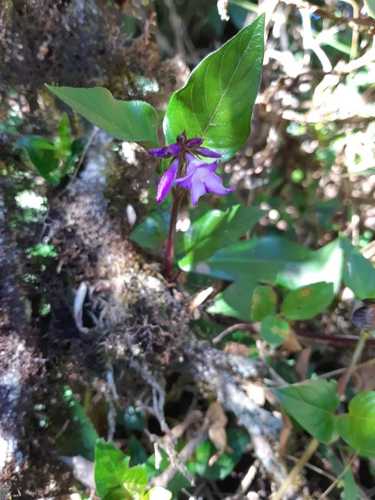
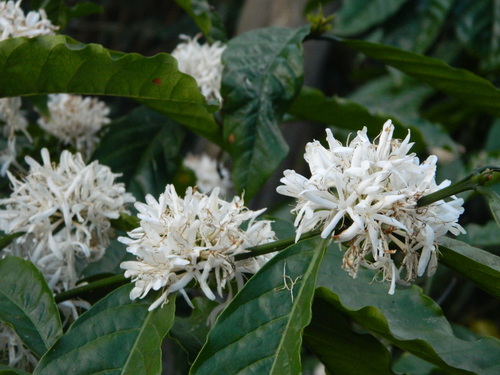
(c) Basu Dev Neupane, some rights reserved (CC BY-NC), uploaded by Basu Dev Neupane
iNaturalist· cc-by-nc
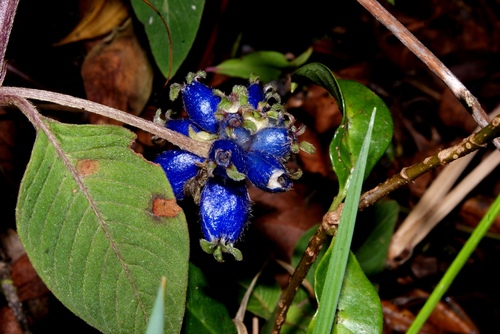
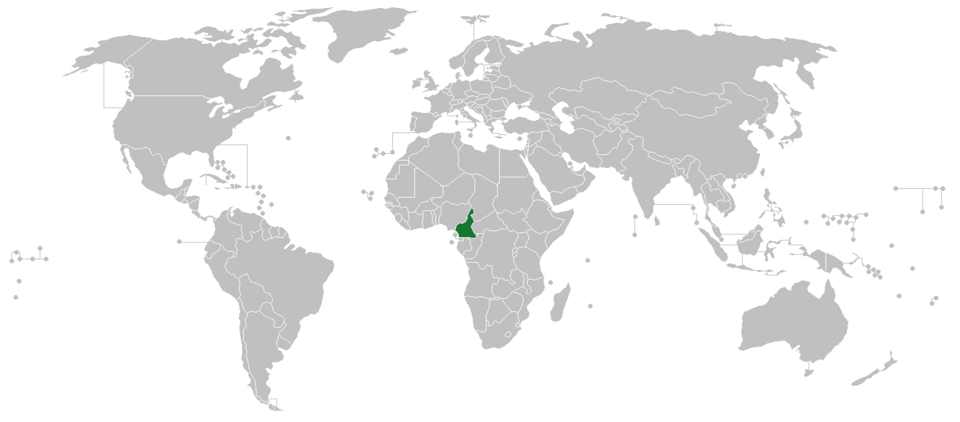
(c) Sangay Wangchuk, some rights reserved (CC BY-NC)
Description
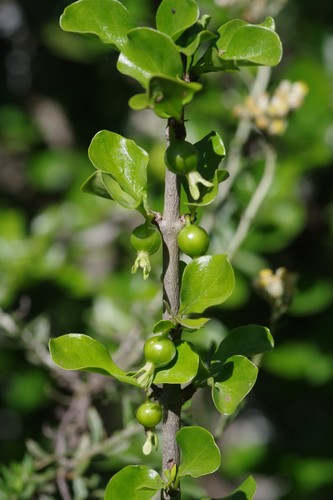
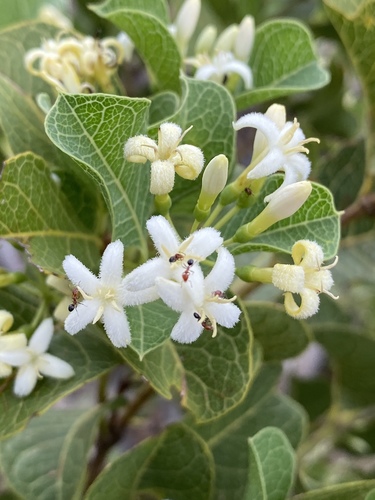
A climbing herb. It keeps growing from year to year. It can grow several metres long. The leaves are oblong and 5-10 cm long by 2-4 cm wide. The leaves have a smell. The flowers are near the ends of branches.
Edible Uses
The whole plant is boiled and eaten in curries, cooked together with other vegetables or fish.
Traditional Uses
The whole plant is boiled and eaten in curries. It is cooked with other vegetables or fish.
This uses section is brief — help expand it
Medicinal Uses
The plant is used in the treatment of eye diseases, and problems following the birth of a child. The root is used in the treatment of sprains. The plant contains a glucoside and two crystalline compounds, all related to rotenone, and most of them active as fish poisons.
Known Hazards
The plant contains a glucoside and two crystalline compounds, all related to rotenone, and most of them active as fish poisons.
Distribution
A tropical plant. In Assam it grows in open areas or scrub forests. In China it grows in sparse forests and on humid soils in valleys between 1,000-1,800 m above sea level. In Yunnan.
Where It Grows
Africa, Asia, Bangladesh, Bhutan, Central Africa, China, Himalayas, India, Myanmar, Nepal, Northeastern India, SE Asia, Sikkim, Vietnam,
Other Uses
A dye obtained from the leaves is used to colour fabrics. The seed capsules are used to colour teeth black.
Notes
There are about 450 Hedyotis species.
Synonyms
Also Known As
Bakhre lahara, Bania, Bhedeli lota, Bokri lahara, Kinchebrick, Kokoaru
References (9)
- Ambasta, S.P. (Ed.), 2000, The Useful Plants of India. CSIR India. p 258
- Bandyopadhyay, S. et al, 2009, Wild edible plants of Koch Bihar district, West Bengal. Natural Products Radiance 8(1) 64-72
- Krishna, B., & Singh, S., 1987, Ethnobotanical Observations in Sikkim. J. Econ. Tax. Bot. Vol. 9 No. 1 pp 1-7
- Martin, F.W. & Ruberte, R.M., 1979, Edible Leaves of the Tropics. Antillian College Press, Mayaguez, Puerto Rico. p 216
- Martin, F.W. & Ruberte, R.M., 1979, Edible Leaves of the Tropics. Antillian College Press, Mayaguez, Puerto Rico. p 217 (Oldenlandia scandens)
Show all 9 references Hide references
- Pegu, R., et al, 2013, Ethnobotanical study of Wild Edible Plants in Poba Reserved Forest, Assam, India. Research Journal of Agriculture and Forestry Sciences 1(3):1-10
- Savita, et al, 2006, Studies on wild edible plants of ethnic people in east Sikkim. Asian J. of Bio Sci. (2006) Vol. 1 No. 2 : 117-125
- Taram, M., et al, 2018, Wild Food Plant Resources of Komkar Adi Tribe of Upper Siang District in Arunachal Pradesh, India. Bulletin of Arunachal Forest Research, Vol. 33(2), 27-35
- Teron, R. & Borthakur, S. K., 2016, Edible Medicines: An Exploration of Medicinal Plants in Dietary Practices of Karbi Tribal Population of Assam, Northeast India. In Mondal, N. & Sen, J.(Ed.) Nutrition and Health among tribal populations of India. p