Allagoptera brevicalyx
Moraes
Buri da praia, Cachando palm
iNaturalist· cc-by-nc-sa
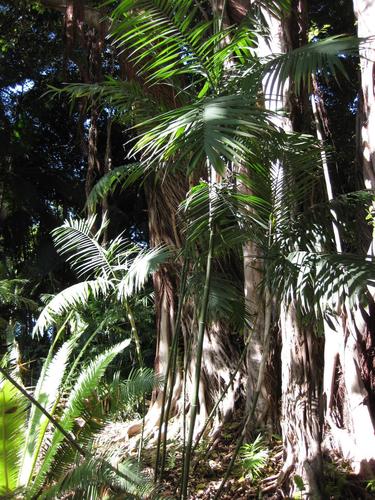
(c) Rich Hoyer, some rights reserved (CC BY-NC-SA), uploaded by Rich Hoyer
iNaturalist· cc-by-sa
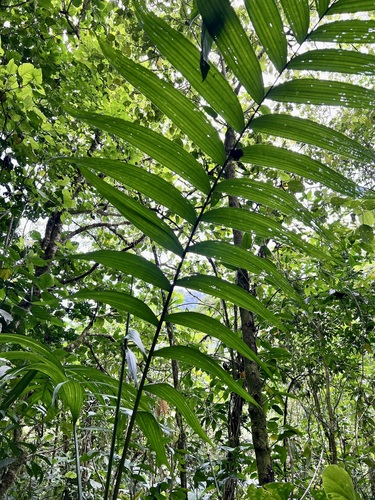
(c) vitordematos12, some rights reserved (CC BY-SA)
iNaturalist· cc-by-sa
(c) vitordematos12, some rights reserved (CC BY-SA)
Description
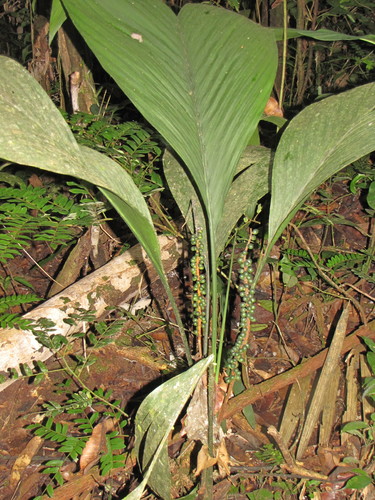
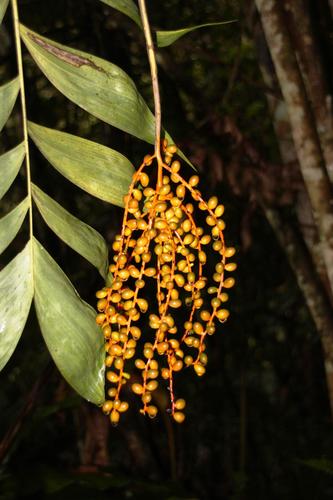
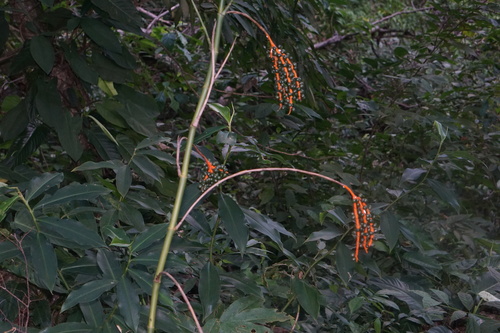
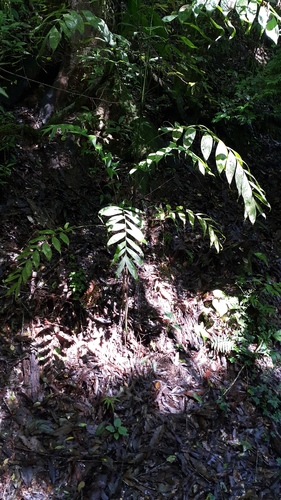
A small clumping palm. The stem is underground. The crown may only be 8 leaves. Each leaf is about 1 m long. The leaf sheath and stalk are covered with woolly hairs. There are 50-80 leaflets on a leaf. These are sword shaped and in irregular groups along the stalk. They have lobes at the tip. They are glossy green on the upper surface and dull underneath. The fruiting stalk is simple and unbranched. The fruit are oval and 1.5-2 cm long.
Edible Uses
The fruit is edible.
Known Hazards
This palm is under threat of extinction; plants should be cultivated before harvesting rather than collected from the wild.
Distribution
It is a tropical plant. It grows in low scattered vegetation near sand dunes along the coast.
Where It Grows
Argentina, Bolivia, Brazil, Paraguay, South America,
Notes
This is a palm under threat of extinction. Plants should be cultivated before harvesting, not collected from the wild. There are 4 Allagoptera species.
References (4)
- Haynes, J., & McLaughlin, J., 2000, Edible palms and Their Uses. University of Florida Fact sheet MCDE-00-50-1 p 2
- Henderson, A., Galeano, G and Bernal, R., 1995, Field Guide to the Palms of the Americas. Princeton. p 152
- Johnson, D.V., 1998, Tropical palms. Non-wood Forest products 10. FAO Rome. p 85
- Jones, D.L., 1994, Palms throughout the World. Smithtonian Institution, Washington. p 125