Bupleurum candollei
Wall. ex DC.
Himalayan thorowax
iNaturalist· cc-by-sa
(c) Dinesh Valke, some rights reserved (CC BY-SA)
iNaturalist· cc-by-nc
(c) Suresh Ghimire, some rights reserved (CC BY-NC)
Description
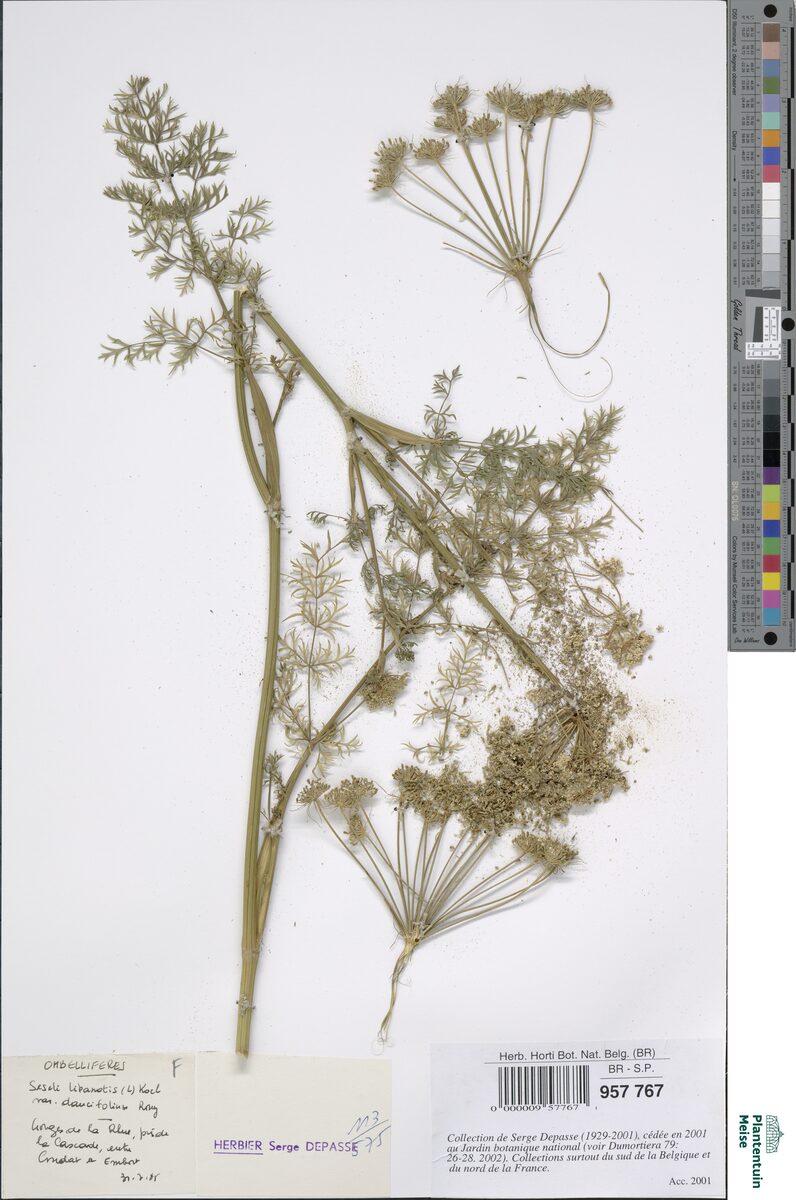
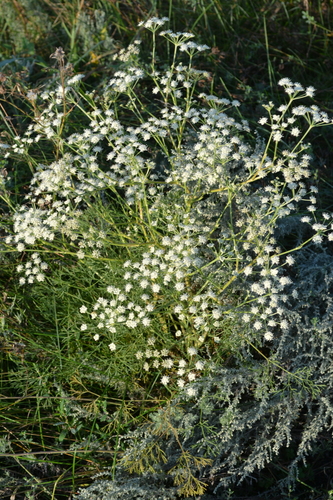
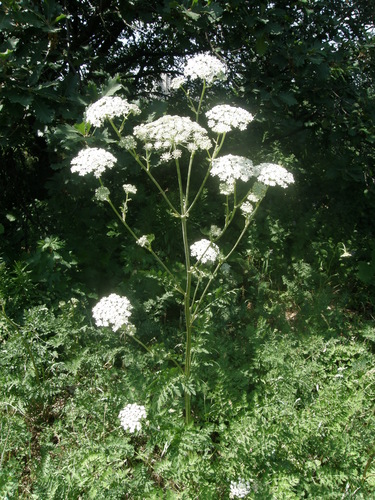
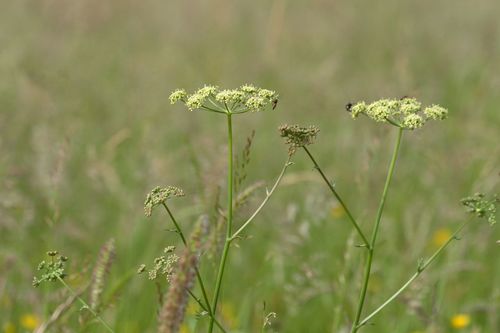
An erect herb. It keeps growing from year to year. It grows 40-100 cm tall. The taproot is stout and becomes woody. The stem is erect and branched above. The lower leaves are narrow and 12-15 cm long by 1 cm wide. The upper leaves are wider and have a wedge shaped base. The flowers are yellow. The fruit are oval and they have ridges along them. They are 5 mm long.
Edible Uses
The roots and seeds are eaten raw and have a sweet taste; the seeds are also used as a flavoring.
Traditional Uses
The root and seeds are eaten raw. They are sweet. The seeds are used for flavouring.
This uses section is brief — help expand it
Distribution
It is a temperate plant. It grows between 2500-4000 m altitude in Uttar Pradesh in India. In China SW China it grows on shady slopes between 1,800-3,200 m above sea level.
Where It Grows
Asia, Bhutan, China, Himalayas, India, Myanmar, Nepal, Northeastern India, Pakistan, SE Asia, Sikkim, Tibet,
Notes
There are about 100 Bupleurum species.
Also Known As
Janglijeera
References (3)
- Negi, K.S., 1988, Some little known wild edible plants of U.P. Hills. J. Econ. Tax. Bot. Vol. 12 No. 2 pp 345-360
- Prodr. 4:131. 1830
- Sharma, L. et al, 2018, Diversity, distribution pattern, endemism and indigenous uses of wild edible plants in Cold Desert Biosphere Reserve of Indian Trans Himalaya. Indian Journal of Traditional Knowledge. Vol 17(1) January 2018 pp 122-131