Hibiscus ovalifolius
(Forsk.)Vahl
Rock hibiscus
iNaturalist· cc-by-nc
(c) Judy Flatt, some rights reserved (CC BY-NC), uploaded by Judy Flatt
iNaturalist· cc-by-nc
(c) Riana Fourie, some rights reserved (CC BY-NC)
iNaturalist· cc-by-nc
(c) Riana Fourie, some rights reserved (CC BY-NC)
Description
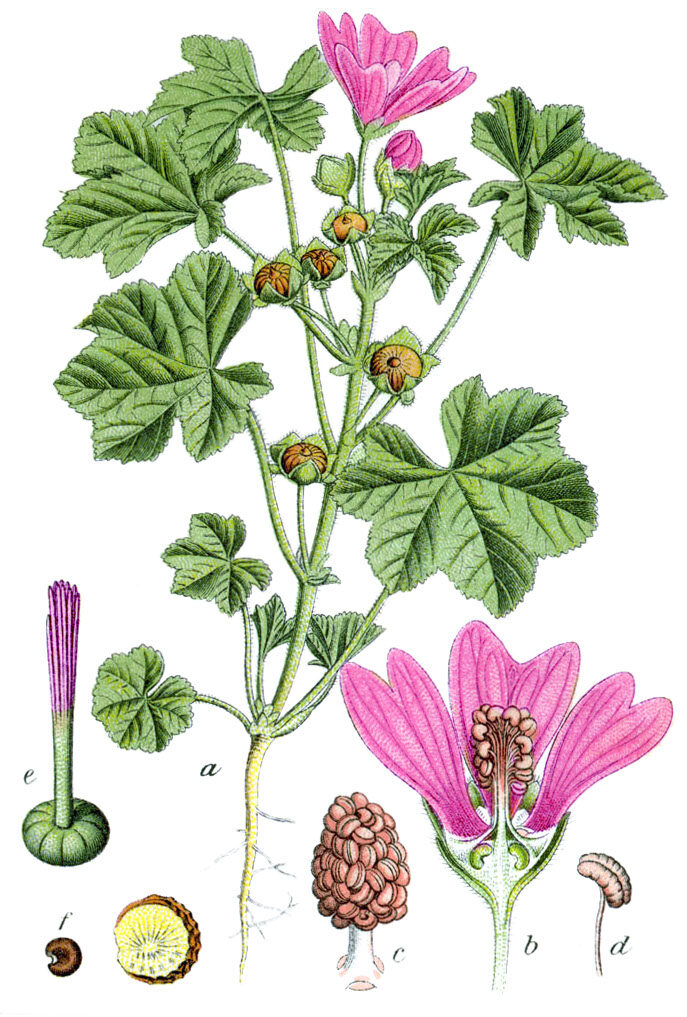
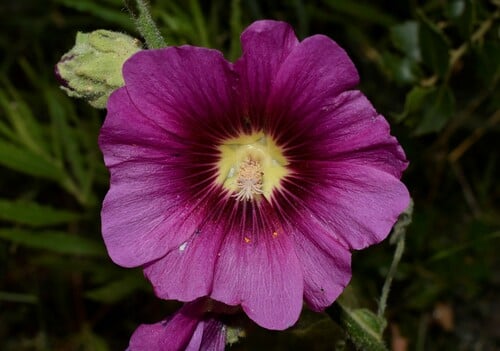
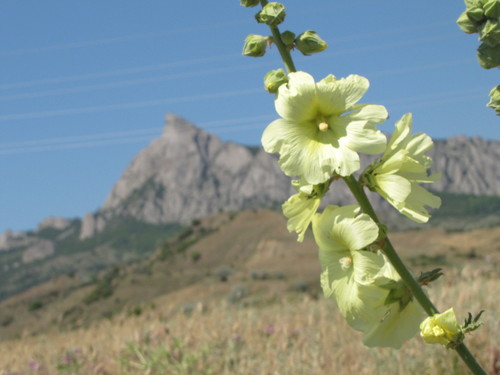
A sprawling shrub. It grows 60-120 cm high. The leaves usually do not have lobes or can have small lobes. There are teeth along the edge. The flowers occur singly in the axils of the upper leaves. The flowers are yellow.
Edible Uses
The unripe fruit are eaten, especially by children.
Traditional Uses
The unripe fruit are eaten.
This uses section is brief — help expand it
Distribution
It is a tropical plant.
Where It Grows
Africa, Asia, East Africa, Hawaii, India, Madagascar, Mascarenes, Myanmar, SE Asia, Zambia,
Cultivation
It is grown by cuttings or seeds.
Other Information
The fruit are eaten especially by children.
Synonyms
Also Known As
Mudkae, Theingapottu
References (4)
- Arinathan, V., et al, 2007, Wild edibles used by Palliyars of the western Ghats, Tamil Nadu. Indian Journal of Traditional Knowledge. 6(1) pp 163-168
- Fowler, D. G., 2007, Zambian Plants: Their Vernacular Names and Uses. Kew. p 82
- Sharma, B.D., & Lakshminarasimhan, P., 1986, Ethnobotanical Studies on the Tribals of Nasik District (Maharashtra). J. Econ. Tax. Bot. Vol. 8 No. 2 pp 439-446
- Staples, G.W. and Herbst, D.R., 2005, A tropical Garden Flora. Bishop Museum Press, Honolulu, Hawaii. p 391