Grewia asiatica
L.
Phalsa
iNaturalist· cc-by-nc
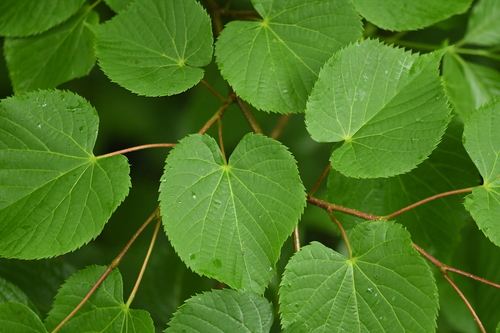
(c) Russell Cumming, some rights reserved (CC BY-NC), uploaded by Russell Cumming
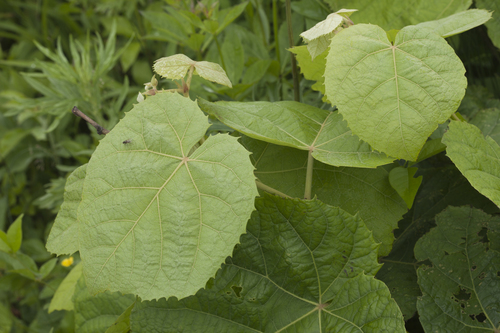
iNaturalist· cc-by
(c) Andrew Thornhill, some rights reserved (CC BY)
iNaturalist· cc0
no rights reserved
Summary
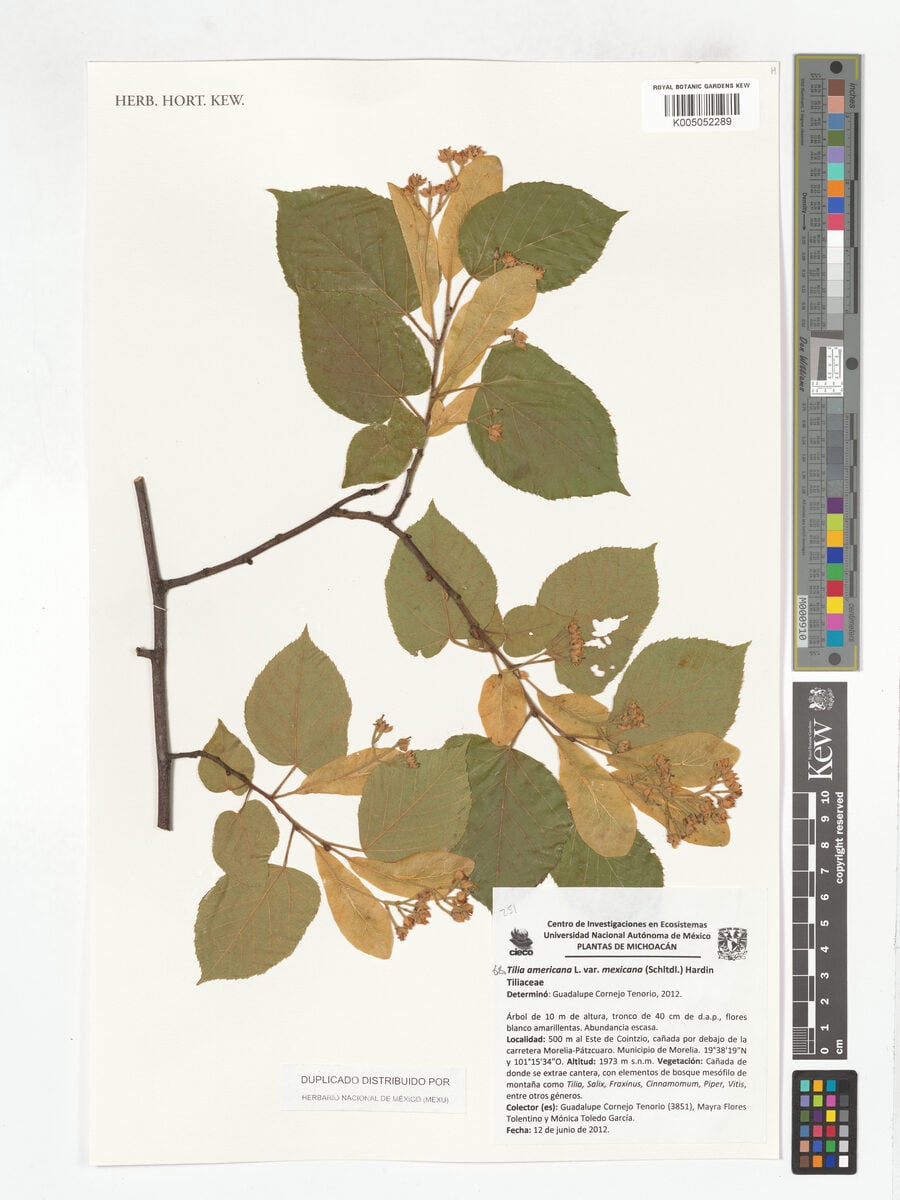
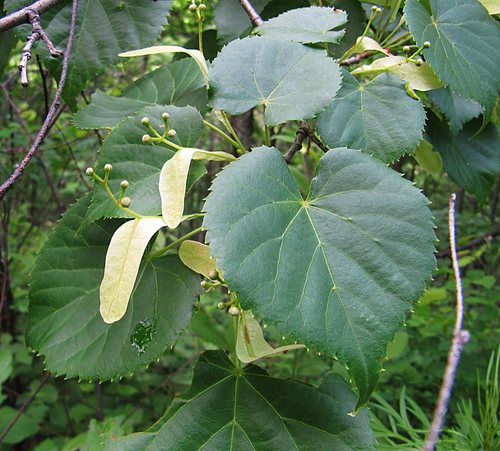
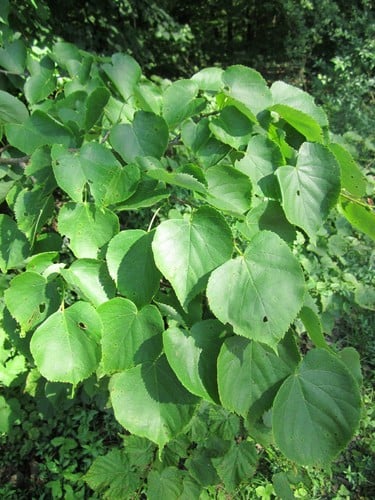
Source: WikipediaGrewia asiatica, commonly known as phalsa or falsa, is a species of flowering plant in the mallow family Malvaceae. Grewia celtidifolia was initially considered a mere variety of phalsa, but is now recognized as a distinct species. It is a shrub or small tree growing to 8 m tall. The leaves are broadly rounded, 5–18 cm long and broad, with a petiole 1–1.5 cm long. The flowers are produced in cymes of several together, the individual flowers about 2 cm diameter, yellow, with five large (12 mm) sepals and five smaller (4–5 mm) petals. The fruit is an edible drupe 5–12 mm diameter, purple to black when ripe.
Description
A shrub or small tree. It loses its leaves during the year. It grows 4-8 m tall. The bark is rough and grey. The branches are long, slender and drooping. Young branches are covered with hairs. The leaves are alternate. They are simple. The leaves are a broad oval or heart shape. They can be 20 cm long by 16 cm wide. The base is at an angle. They taper to the tip. The edges have coarse teeth. There are some hairs on the top of the leaf and a covering under the leaf. The leaf stalk is 1.5 cm long. The flowering stalks are in the axils of leaves. There are 3-5 stalks with 2-8 flowers clustered in groups. The flowers are yellow. The fruit are small and round and dark blue to almost black when ripe. They are about 2 cm across. They have indistinct lobes. The flesh is soft, fibrous and greenish-white stained a purplish-red. There are 1-2 half round seeds. These are 5 mm across.
Edible Uses
The ripe fruits are eaten raw as a tart dessert, used for pickles, and made into drinks and fermented alcoholic beverages. The gum from the bark is used to clarify sugarcane juice.
Traditional Uses
The ripe fruit are eaten raw. They are tart. The fruit are eaten as a dessert. They are also used for pickles. They are also used to make a drink. They are fermented into alcoholic drinks. Caution: Alcohol is a cause of cancer. The gum from the bark is used to clarify sugarcane juice.
Medicinal Uses
The fruit is astringent and stomachic. It is reported that the unripe fruit alleviates inflammation and is administered in the treatment of respiratory, cardiac and blood disorders, as well as acting to lower fevers A pleasant-tasting sherbet or squash can be prepared from the fruit pulp. It is used as an astringent, stomachic and cooling agent. It is said to allay thirst and burning sensations, remove biliousness, cure inflammation, and treat heart and blood disorders and fevers. The fruit is also good as a remedy against throat troubles. A paste made from the leaves is applied topically as a treatment on pustular eruptions. An infusion of the stem bark is demulcent and febrifuge. It is used as a treatment for diarrhoes, is said to cure urinary troubles and to relieve burning sensations in the vagina. The root bark is used as a remedy for rheumatism. A 50% ethanolic extract of the aerial parts have shown hypotensive activity. An aqueous extract of stem bark is reported to be antidiabetic. An extract of the seed, and also the seed oil have shown antifertility activity. The fruit extract has shown radioprotective activity against lethal doses of gamma irradiation.
Known Hazards
Fermented fruit products contain alcohol, which is a cause of cancer.
Distribution
A tropical plant. Plants can grow in tropical and subtropical conditions. They can stand temperatures of 44°C as well as light frosts. It can tolerate frost when dormant. They require a deep well drained soil with a pH of 5.5-7. They occur at low altitudes in the Philippines in Cagayan, Bataan and the Ilocos regions. It grows in dry and secondary dense forest. It can grow in humid and arid regions. It flowers and fruits best where there is a distinct wet and dry season. It needs a distinct winter and summer climate regime. It can grow on a range of soils but is sensitive to waterlogging. It grows on limestone soils. It can grow in arid places.
Where It Grows
Africa, Asia, Australia, Bangladesh, Cambodia, China, Himalayas, India*, Indochina, Laos, Mauritius, Myanmar, Nepal, Northeastern India, Pacific, Pakistan, Philippines, Puerto Rico, SE Asia, Sri Lanka, Taiwan, Thailand, USA, Vietnam, West Indies,
Cultivation
Trees are mostly grown from seed. The seeds are taken from fresh fruit. Seedlings are usually transplanted while dormant. It can be grown from cutting using rooting hormone. It can also be grown by air-layering. Budding can also be used. Seeds are sown when freshly removed from the berries. Seeds germinate in 15-20 days. They are best put in a seed bed and transplanted when about one year old. Plants should be pruned each year. They should be cut back to about 1-1.2 m above the ground. Plants in warmer climates are pruned less and grow taller. When plants are pruned hard larger fruit develop but these are of poorer quality. Flowers develop only on the current year's growth. Plants need to be 3-5 m apart. Fruit are picked when ripe. The fruit are very perishable so need to be eaten immediately.
Propagation
Seed - does not require any pre-sowing treatment. Fresh seeds are reported to give minimum germination; they take 15-20 days. Layering Cuttings in open ground give poor results, but under closed conditions, with hormone treatment, they are better.
Other Uses
A good fibre is obtained from the stem bark. It is used for making ropes The mucilaginous extract of the bark obtained after pounding in water is used to clarify sugarcane juice during the preparation of 'gur', the traditional brown sugar made in India. The shoots obtained after annual prunings are used for making quite strong baskets that are used to transport fruit and vegetables. The wood is medium-weight to heavy hardwood with a density of 730-900 kg/cubic m at 15% mc. Heartwood pale grey to pale brown, not sharply differentiated from the sapwood; grain interlocked; texture fine; wood with some silver grain. The wood seasons well, is moderately soft to moderately hard, tough, elastic and moderately strong; it works satisfactorily with hand and machine tools. Non-durable when exposed to the weather or in contact with the ground, but durable for interior use. Under cover, the heartwood is moderately resistant to dry-wood termites. The wood is generally used for small articles where toughness and elasticity are required, such as tool handles, spades, shafts of golf sticks, shoulder poles for carrying small loads, pestles, bows, billiards cues and shingles.
Production
It takes 45-55 days from flowering to fruit maturity. An average of 5-8 kg of fruit per tree each year is normal. The first harvest of fruit are available 13-15 months after planting but it takes 3 years for good fruit production. Harvesting occurs over a period of time requiring several harvests. Ripe fruit will only keep for a few days. In Rajasthan in India fruit are available May to August. Because fruit ripen at different times, regular pickings are needed. Fruit mature 60 days after fruit set. One plant can produce 4 kg of fruit. Plants start bearing after 3 years and can produce for 20 years.
Other Information
It is a cultivated food plant. The fruit are sold in markets. Fruit are popular.
Notes
There are about 200 Grewia species. They are mostly tropical. The fruit of most may be edible. These were in the Sparrmanniaceae and the Tiliaceae.
Nutrition
| Part | Moisture | kJ | kcal | Protein | Vit A | Vit C | Iron | Zinc |
|---|---|---|---|---|---|---|---|---|
| Fruit | 81.3 | 295 | 72 | 1.6 | 0 | 22 | 3.2 | — |
Synonyms
Also Known As
Baruian, Buttiyudippe, Co-ke-a, Darachi, Dhamin, Falsa, Goyalipala, Jana, Malai, Nallajana, Nhaab, Palisa, Parusha, Phalsa, Phalsi, Pharasakoli, Pharsa, Phutiki, Po tao hai, Pophlea thom, Pophlie, Sanjelhei, Shukri, Tadachi, Tadasala, Ya-khithut
References (56)
- Ambasta, S.P. (Ed.), 2000, The Useful Plants of India. CSIR India. p 250 (As Grewia subinaequalis)
- Arora, R. K., 2014, Diversity in Underutilized Plant Species - An Asia-Pacific Perspective. Bioversity International. p 74 (As Grewia subinaequalis)
- Bajpai, O., et al, 2015, Tree species of the Himalayan Terai region of Uttar Pradesh, India: a checklist. Check List 11(4): 1718
- Bandyopadhyay, S. et al, 2009, Wild edible plants of Koch Bihar district, West Bengal. Natural Products Radiance 8(1) 64-72
- Bandyopadhyay, S., et al, 2012, A Census of Wild Edible Plants from Howrah District, West Bengal, India. Proceedings of UGC sponsored National Seminar 2012 (As Grewia subinaequalis)
Show all 56 references Hide references
- Banerjee, A., et al, 2013, Ethnobotanical Documentation of Some Wild Edible Plants in Bankura District, West Bengal, India. The Journal of Ethnobiology and Traditional Medicine. Photon 120 (2013) 585-590
- Cengel, D. J. & Dany, C., (Eds), 2016, Integrating Forest Biodiversity Resource Management and Sustainable Community Livelihood Development in the Preah Vihear Protected Forest. International Tropical Timber Organization p 122
- Chaudhary, L. B., et al, 2014, Tree Resources of Katerniaghat Wildlife Sanctuary, Uttar Pradesh, India with especial emphasis on Conservation Status, Phenology and Economic Values. International Journal of Environment. 3(1)
- Coronel, R.E., 1982, Fruit Collections in the Philippines. IBPGR Newsletter p 7
- Das, S. and De, B., 2013, Evaluation of Angiotension I-Converting Enzyme (ACE) inhibitory potential of some underutilized indigenous fruits of West Bengal using an in vitro model. Fruits, Vol. 68:499-506
- Dhawan, K., et al, 1993, Nutrient composition and electrophoretic pattern of protein in two distinct types of phalsa (Grewia subinequalis). Plant Foods for Human Nutrition 44:255-260
- Dobriyal, M. J. R. & Dobriyal, R., 2014, Non Wood Forest Produce an Option for Ethnic Food and Nutritional Security in India. Int. J. of Usuf. Mngt. 15(1):17-37
- Facciola, S., 1998, Cornucopia 2: a Source Book of Edible Plants. Kampong Publications, p 241
- FAO, 1988, Traditional Food Plants, FAO Food and Nutrition Paper 42. FAO Rome p 302
- Flora of Pakistan. www.eFloras.org
- Flowerdew, B., 2000, Complete Fruit Book. Kyle Cathie Ltd., London. p 245
- Fruits for the Future in Asia. p107 (As Grewia subinaequalis)
- Hazarika, B. et al. (2020). An overview of the unexplored underutilized fruit crops of Assam, India. Journal of Applied and Natural Science, 12(3): 442 - 453
- Hedrick, U.P., 1919, (Ed.), Sturtevant's edible plants of the world. p 333
- Hiddins, L., 1999, Explore Wild Australia with the Bush Tucker Man. Penguin Books/ABC Books. p 141
- Jabeen, A., et al, 2009, Indigenous uses of economically important flora of Margallah Hills National Park, Islamabad, Pakistan. African Journal of Biotechnology Vol. 8 (5), pp. 763-784
- Jadhav, R., et al, 2015, Forest Foods of Northern Western Ghats: Mode of Consumption, Nutrition and Availability. Asian Agri-History Vol. 19, No. 4: 293-317
- Khan, D. & Shaukat, S.S., 2006, The Fruits of Pakistan: Diversity, Distribution, Trends of Production and Use. Int. J. Biol. Biotech., 3(3):463-499
- Kiple, K.F. & Ornelas, K.C., (eds), 2000, The Cambridge World History of Food. CUP p 1833
- Kiran, K. C., et al, 2019, Diversity and Seasonal Availability of Potential Wild Edible Plants from Vidarbha Region of Maharashtra State, India. Int.J.Curr.Microbiol.App.Sci (2019) 8(2): 1434-1446
- Lyle, S., 2006, Discovering fruit and nuts. Land Links. p 233
- Mant. pl. 1:122. 1767
- Meitei, L. R., et al, 2022, An ethnobotanical study on the wild edible plants used by forest dwellers in Yangoupokpi Lokchao Wildlife Sanctuary, Manipur, India. Ethnobotany Research and Application 23:15
- Monsalud, M.R., Tongacan, A.L., Lopez, F.R., & Lagrimas, M.Q., 1966, Edible Wild Plants in Philippine Forests. Philippine Journal of Science. p 551
- Morton, J. F., 1987, Fruits of Warm Climates. Wipf & Stock Publishers p 276 (As Grewia subinaequalis)
- Pasha, M. K. & Uddin, S. B., 2019, Minor Edible Fruits of Bangladesh. Bangladesh J. Plant Taxon. 26(2): 299–313
- Paul, A., 2013, Minor and uncultivated fruits of Eastern India, 2nd International Symposium on Minor Fruits and Medicinal Plants
- Pham-Hoang Ho, 1999, An Illustrated Flora of Vietnam. Nha Xuat Ban Tre. p 481
- Phon, P., 2000, Plants used in Cambodia. © Pauline Dy Phon, Phnom Penh, Cambodia. p 323
- PROSEA (Plant Resources of South East Asia) handbook, Volume 2, 1991, Edible fruits and nut. p 184
- Recher, P, 2001, Fruit Spirit Botanical Gardens Plant Index. www.nrg.com.au/~recher/ seedlist.html p 2
- Royal Botanic Gardens, Kew (1999). Survey of Economic Plants for Arid and Semi-Arid Lands (SEPASAL) database. Published on the Internet; http://www.rbgkew.org.uk/ceb/sepasal/internet [Accessed 11th June 2011]
- SAXENA,
- Setiya, A. V., et al, 2016, Exploration and documentation of some wild edible plants used by the aboriginals from Gadchiroli District (M.S.) India. International Advanced Research Journal in Science, Engineering and Technology. 3(7)
- SHANKARNARAYAN & SAXENA,
- Shah, G.L. et al, 1981, An account of the Ethnobotany of Saurashtra in Gujarat State (India). J. Econ. Tax. Bot. Vol 2 pp 173-182 (As Grewia subinaequalis)
- Shah, G.L., 1984, Some economically important plant of Salsette Island near Bombay. J. Econ. Tax. Bot. Vol. 5 No. 4 pp 753-765 (As Grewia subinaequalis)
- Sharma, B.B., 2005, Growing fruits and vegetables. Publications Division. Ministry of Information and broadcasting. India. p 120 (As Grewia subinaequalis)
- Singh, V. and Singh, P., 1981, Edible Wild Plants of Eastern Rajasthan. J. Econ. Tax. Bot. Vol 2 pp 197-207 (As Grewia subinaequalis)
- Sosef, M. S. M., Hong, L. T., & Prawirohatmodjo, S., (Eds.), 1998, Timber tree: Lesser-known timbers. Plant Resources of South-East Asia, 5(3), p 268
- Tanaka,
- Tewari, D.N., 1994, Important Plants of India. International Book Distributors, India. p 25
- Tiwi Plants and Animals. 2001, Aboriginal flora and fauna knowledge from Bathurst and Melville Islands, northern Australia. Northern Territory Botanical Bulletin; No. 24 p 56
- Tomar, A., Kumar, A., & Dubey, K., 2002, Underutilized Wild Edible fruits of Nutritional and Medicinal Value. J. Res. Educ. Indian Med., Vol XX1 (As Grewia subinaequalis)
- Upreti, K., et al, 2010, Diversity and Distribution of Wild Edible Fruit Plants of Uttarakhand. Bioversity Potentials of the Himalaya. p 173
- USDA, ARS, National Genetic Resources Program. Germplasm Resources Information Network - (GRIN). [Online Database] National Germplasm Resources Laboratory, Beltsville, Maryland. Available: www.ars-grin.gov/cgi-bin/npgs/html/econ.pl (10 April 2000)
- Wiersema, J. H. & Leon, B., 2013, World Economic Plants. A Standard Reference CRC Press. 2nd Ed. p 331
- World Checklist of Useful Plant Species 2020. Royal Botanic Gardens, Kew
- www.worldagroforestrycentre.org/treedb/
- Zeven, A. C. & de West, J. M. J., 1982, Dictionary of cultivated plants and their regions of diversity. Wageningen. p 79
- Zia-Ul-Haq, M., et al, 2013, Grewia asiatica L., a Food Plant with Multiple Uses. Molecules 2013, 18, 2663-3682