Clitoria annua
J. Graham
Bombay annua
iNaturalist· cc-by-sa
(c) Dinesh Valke, some rights reserved (CC BY-SA)
iNaturalist· cc-by-sa
(c) Dinesh Valke, some rights reserved (CC BY-SA)
iNaturalist· cc-by-sa
(c) Dinesh Valke, some rights reserved (CC BY-SA)
Description
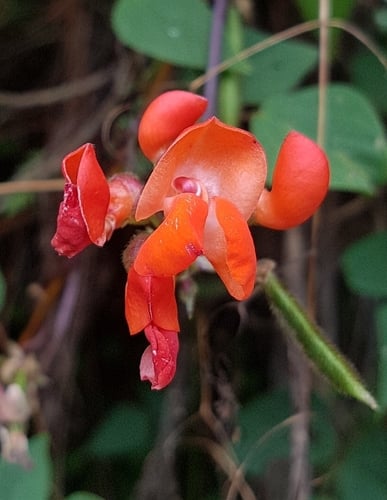
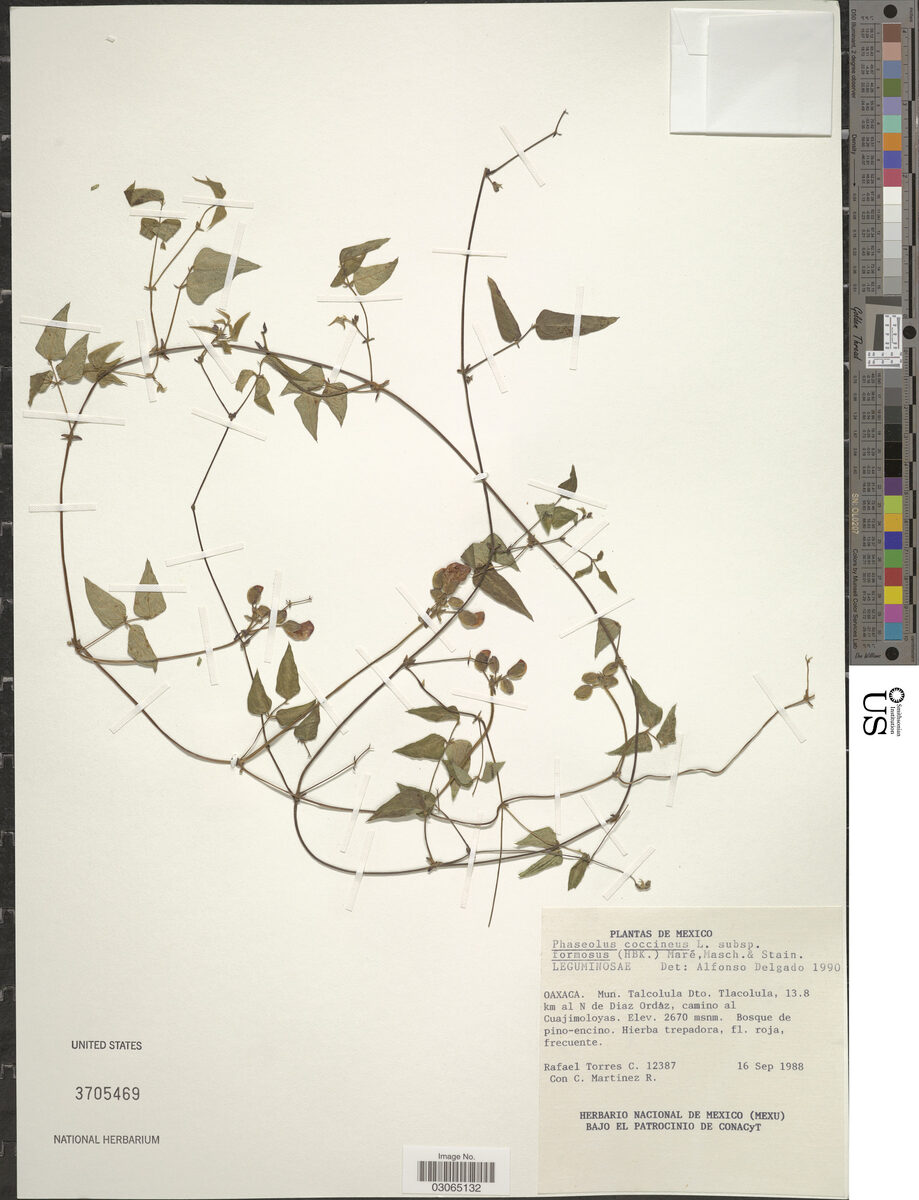
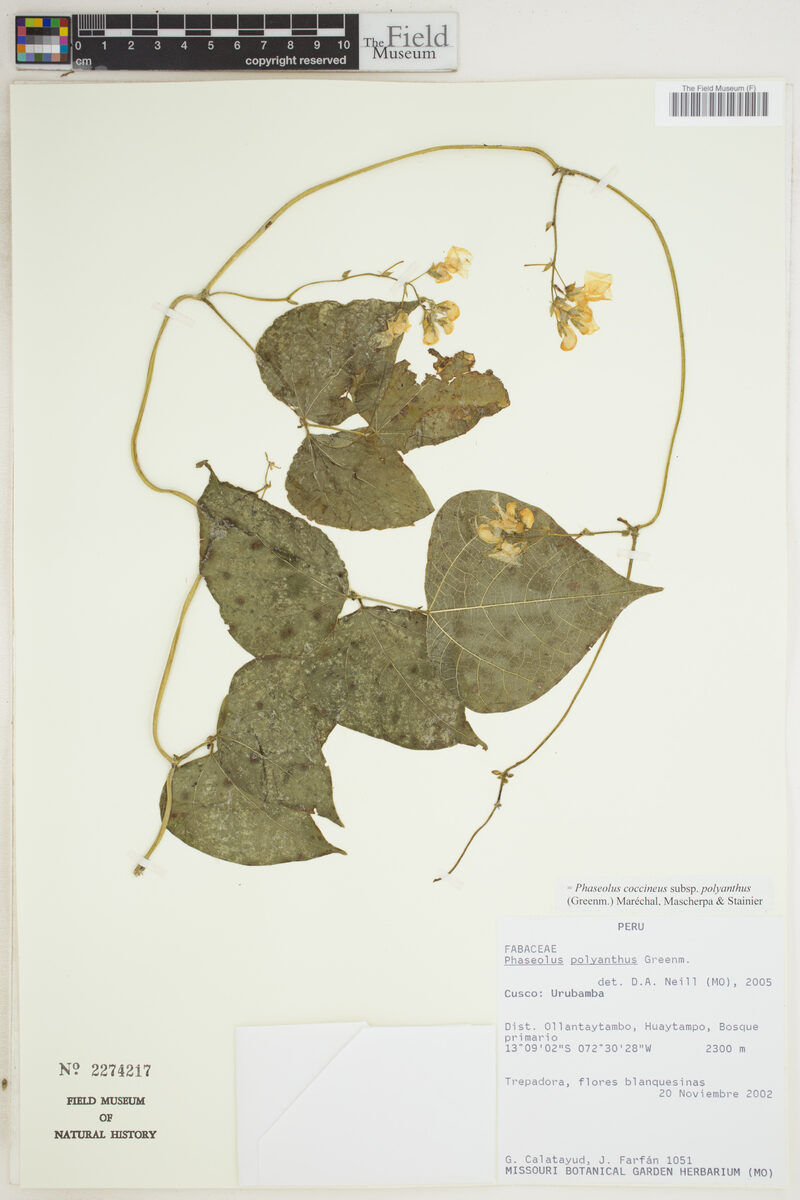
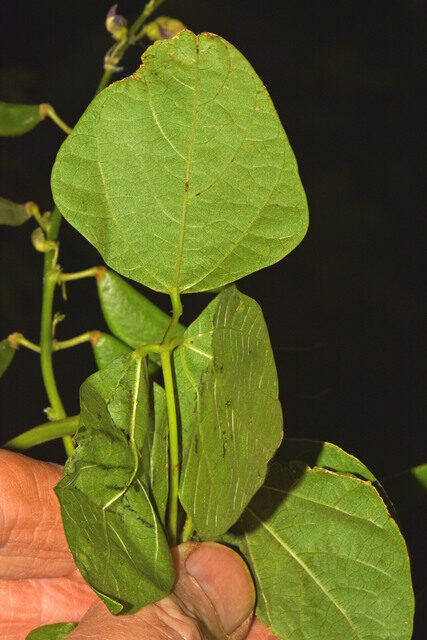
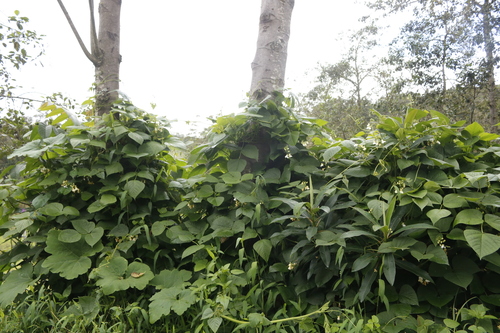
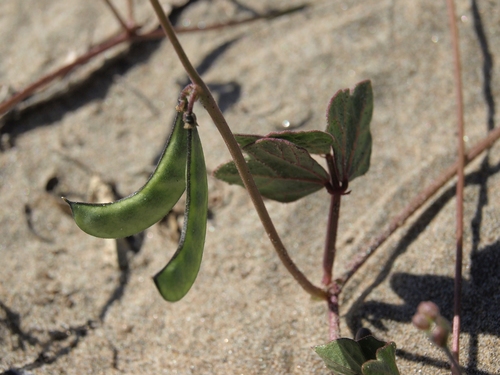
An erect annual herb. It grows 30-50 cm tall. The stems are angular and hairy. The leaves have leaflets along the stalk. There are 5 leaflets and they are 3-8 cm long with the end one larger. The flowers are in pairs in the axils of leaves. The flowers are 2.5 cm across. The petal standards and blue and white at the base.
Edible Uses
The seeds are eaten raw or cooked. The pods are also edible.
Traditional Uses
The seeds are eaten raw or cooked.
This uses section is brief — help expand it
Distribution
It is a tropical plant.
Where It Grows
Asia, India,
Notes
There are about (30) 66 Clitoria species. They grow in the tropics. Also as Papilionaceae.
Synonyms
Also Known As
Asian pigeonwings, Supali
References (1)
- Prakash, V., & Megrotra B.N., 1987, Ethnobotanical Studies on the Flora of Khandala, Maharashtra State. J. Econ. Tax. Bot. Vol. 9 No. 1 pp 205-208 (As Clitoria biflora)