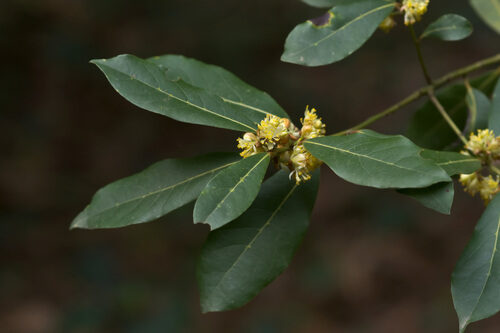
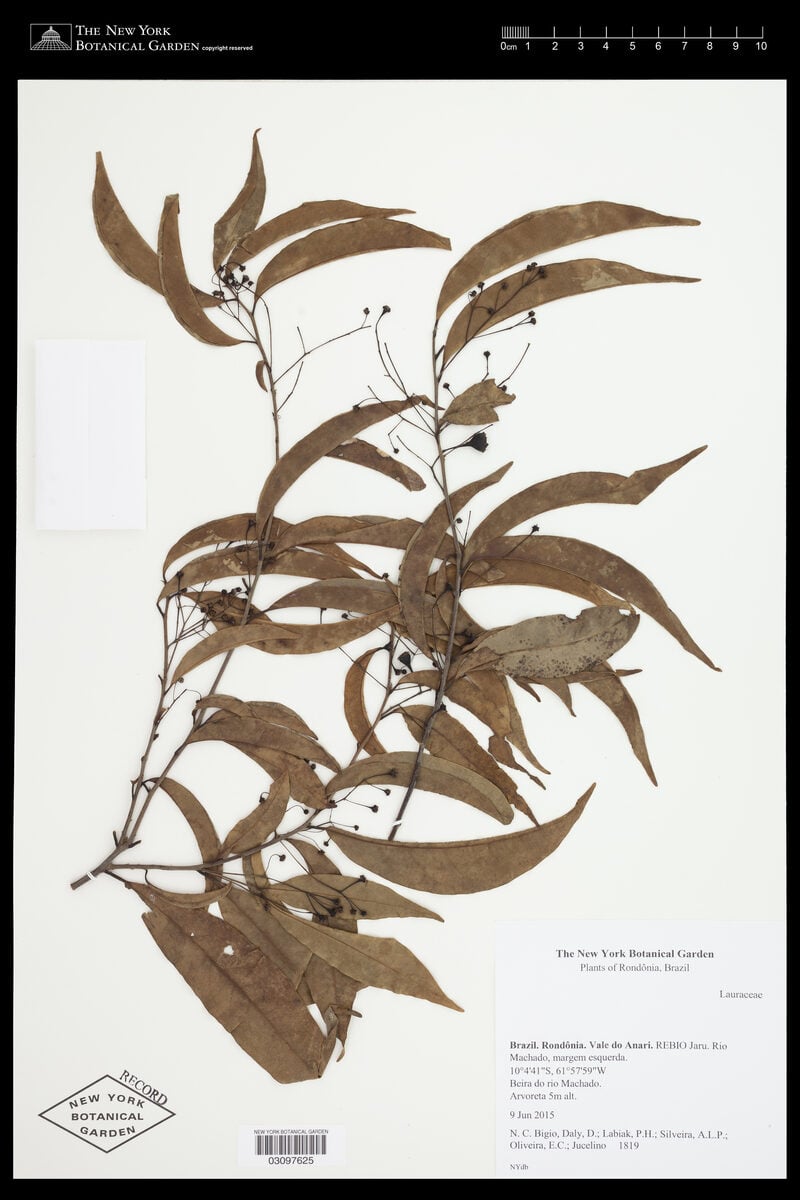
Nectandra cuspidata
Nees & Mart.
Cuspidate nectandra
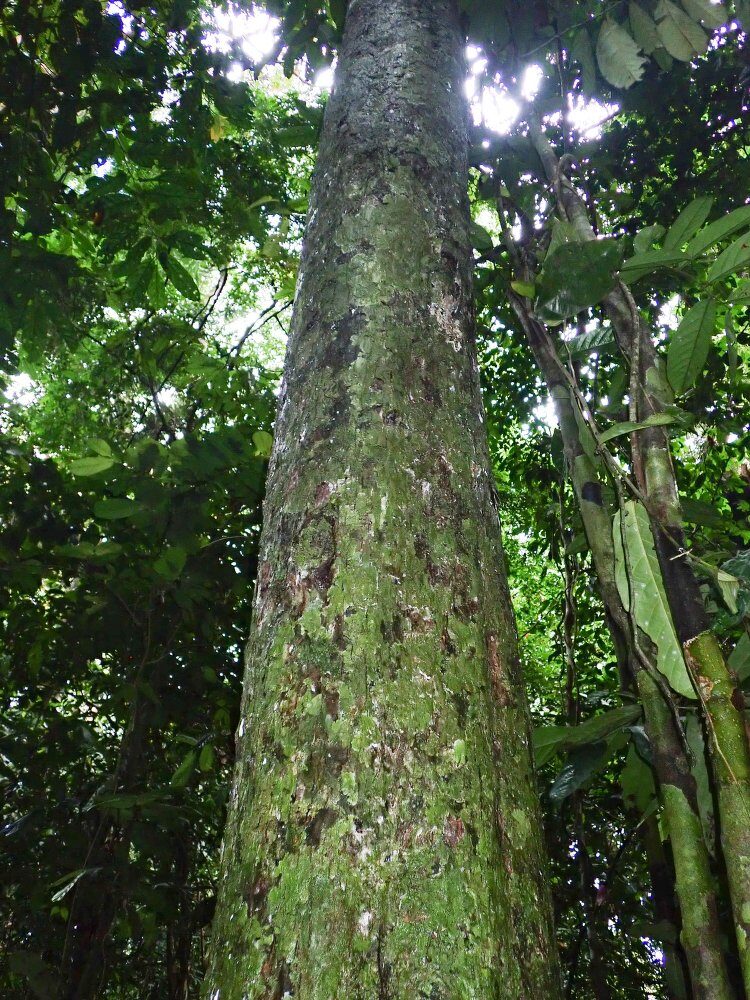
iNaturalist· cc-by-nc
(c) Juan Francisco Cruz Mejía, some rights reserved (CC BY-NC)
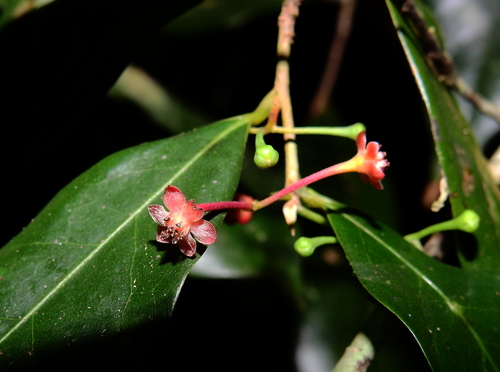
iNaturalist· cc-by-nc
(c) Juan Francisco Cruz Mejía, some rights reserved (CC BY-NC)
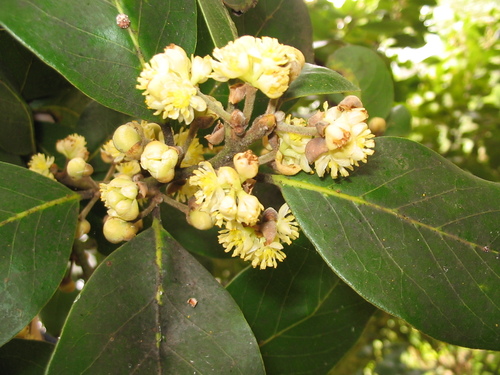
iNaturalist· cc-by-nc
(c) Juan Francisco Cruz Mejía, some rights reserved (CC BY-NC)
Description
A tropical tree in the Lauraceae family with edible fruit.
This description is brief — help expand it
Edible Uses
The fruit is eaten.
Distribution
It is a tropical plant.
Where It Grows
Amazon, Belize, Bolivia, Central America, Colombia, Costa Rica, El Salvador, Guatemala, Guianas, Guyana, Honduras, Mexico, Nicaragua, North America, Panama, Peru, South America, Suriname, Venezuela,
Other Uses
The wood is a uniform greenish or yellowish colour with no apparent distinction between heartwood and sapwood. Lustrous, with no apparent smell or taste once seasoned. It is light in weight, soft, with poor durability. The wood is easy to work; it planes and turns easily but badly; it polishes well; takes nails well but does not hold them It is used in local construction, for fence posts and tool handles.
Synonyms
Also Known As
Aguacatillo, Canelo, Finto
References (3)
- Grandtner, M. M., 2008, World Dictionary of Trees. Wood and Forest Science Department. Laval University, Quebec, Qc Canada. (Internet database http://www.wdt.qc.ca)
- Lopez-Diago, D. & Garcia, N., 2021, Wild edible fruits of Colombia. Biota ColomBiana 22 (2) p 40
- Roa, J. A. G. & Boada, D. S. G., 2018, Fundación para el Fortalecimiento de la Fruticultura y Plantas Alimenticias no Convencionales en Colombia.