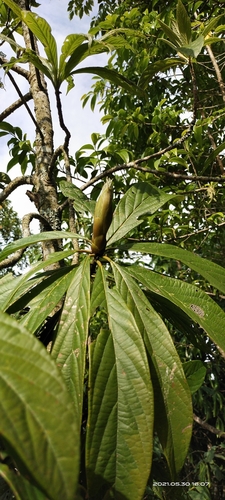
Machilus thunbergii
Siebold & Zucc.
iNaturalist· cc0
no rights reserved, uploaded by 葉子
iNaturalist· cc-by-nc
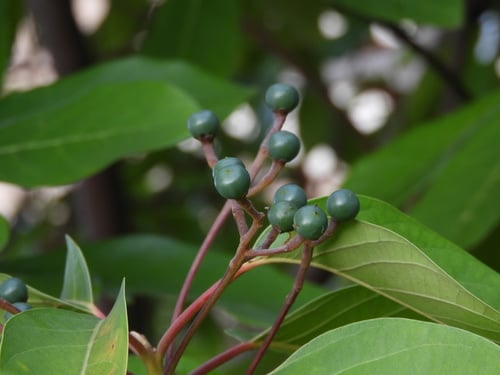
(c) 傻子, some rights reserved (CC BY-NC), uploaded by 傻子
iNaturalist· cc-by-nc
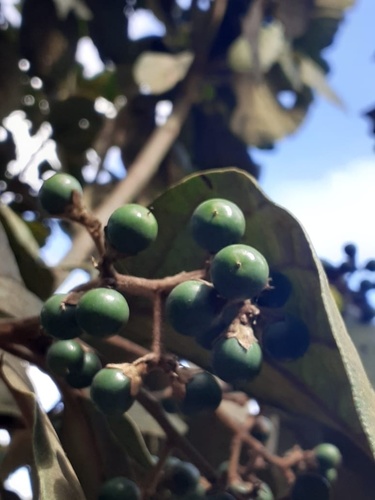
(c) 傻子, some rights reserved (CC BY-NC), uploaded by 傻子
Summary
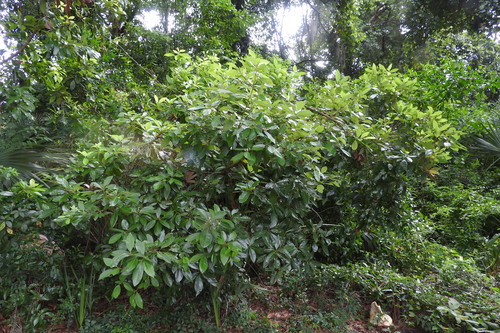
Source: WikipediaMachilus thunbergii (syn. Persea thunbergii), the Japanese bay tree, red machilus, or tabunoki, is a widespread species of flowering plant in the family Lauraceae. It is native to Vietnam, Taiwan, southeast and north-central China, the Korean Peninsula, and Japan. A sturdy evergreen tree, usually 10–15 m (30–50 ft) tall, and reaching 20 m (70 ft), it is used for timber, and as a street tree. Its bark is the source of makko, a powder used to make a mosquito‑repelling incense. It prefers coastal areas, and can handle saline soil.
Description
A tree.
This description is brief — help expand it
Distribution
It is a temperate plant.
Where It Grows
Asia, Korea,
Synonyms
Also Known As
Hubaknamu
References (2)
- Ong, H. G., et al, 2015, Ethnobotany of the wild edible plants gathered in Ulleung Island, South Korea. Genet Resourc Crop Evol. Springer
- World Checklist of Useful Plant Species 2020. Royal Botanic Gardens, Kew