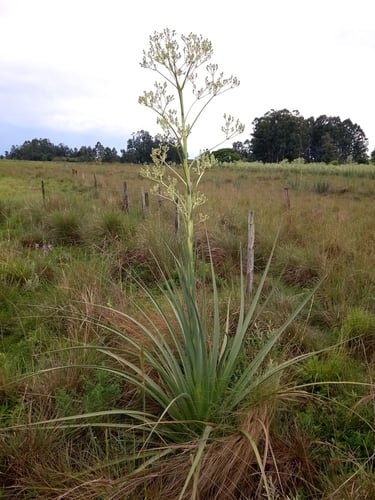
Angelica lucida
L.
Seaside angelica
iNaturalist· cc-by-nc
(c) jrebman, some rights reserved (CC BY-NC), uploaded by jrebman
iNaturalist· cc-by-sa
(c) Chris Hoess, some rights reserved (CC BY-SA), uploaded by Chris Hoess
iNaturalist· cc0
no rights reserved
Summary
Source: WikipediaAngelica lucida is a species of angelica known by the common names seacoast angelica and sea-watch. It is also one of many species in the celery family which are casually called wild celery. As its common names suggest, this plant is found most often along the coastline. Its distribution includes the Atlantic, Pacific, and Arctic coasts of North America, and the Russian Far East. The species can occur far inland in Arctic climates such as Alaska. Angelica lucida is considered an endangered species in some of the Northeastern United States. Angelica lucida is generally similar in appearance to other angelicas, with tall, dense umbels of yellowish-white flowers.
Description
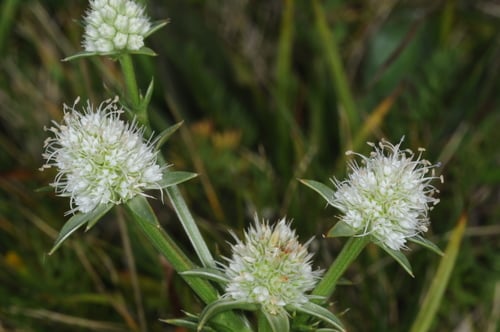
A herb. It has a thickened root. The stem is thick, green and hollow and becomes somewhat woody with age. It can grow 1.3 m tall. The leaves have 3 leaflets. The leaf stalks are inflated near the base. The flowers are small with five white or greenish petals. There are many flowers in an umbrella like arrangement.
Edible Uses
The new emerging shoots are peeled and eaten, usually with oil. The leaves are cooked as a green vegetable. The roots are occasionally used as a spice and are often eaten by children.
Traditional Uses
The new emerging shoots are peeled and eaten usually with oil. The leaves are also cooked as a green vegetable. The roots are occasionally used as a spice.
Distribution
It is a temperate plant. It grows along the coast and in moist places. It grows in moist tundra.
Where It Grows
Alaska, Canada, North America, USA,
Other Information
They are often eaten by children.
Synonyms
Also Known As
Ahzeeahlook, Egoosuk, Seacoast angelica, Wild celery
References (7)
- Ager, T. A. & Ager, L. P., 1980, Ethnobotany of the eskimos of Nelson Island, Alaska. Arctic Anthropology Vol 17. No. 1 pp 26-48
- Bowser, M., 2017, Handout on Edible Plants of the Kenai Peninsula. USFWS Kenai National Wildlife Refuge p 9
- Heller, C. A., 1962, Wild Edible and Poisonous Plants of Alaska. Univ. of Alaska Extension Service. p 5
- Jones, A., 2010, Plants that we eat. University of Alaska Press. p 6
- Kermath, B. M., et al, 2014, Food Plants in the Americas: A survey of the domesticated, cultivated and wild plants used for Human food in North, Central and South America and the Caribbean. On line draft. p 65
Show all 7 references Hide references
- Seidemann J., 2005, World Spice Plants. Economic Usage, Botany, Taxonomy. Springer. p 42
- Tozer, F., 2007, The Uses of Wild Plants. Green Man Publishing. p 29