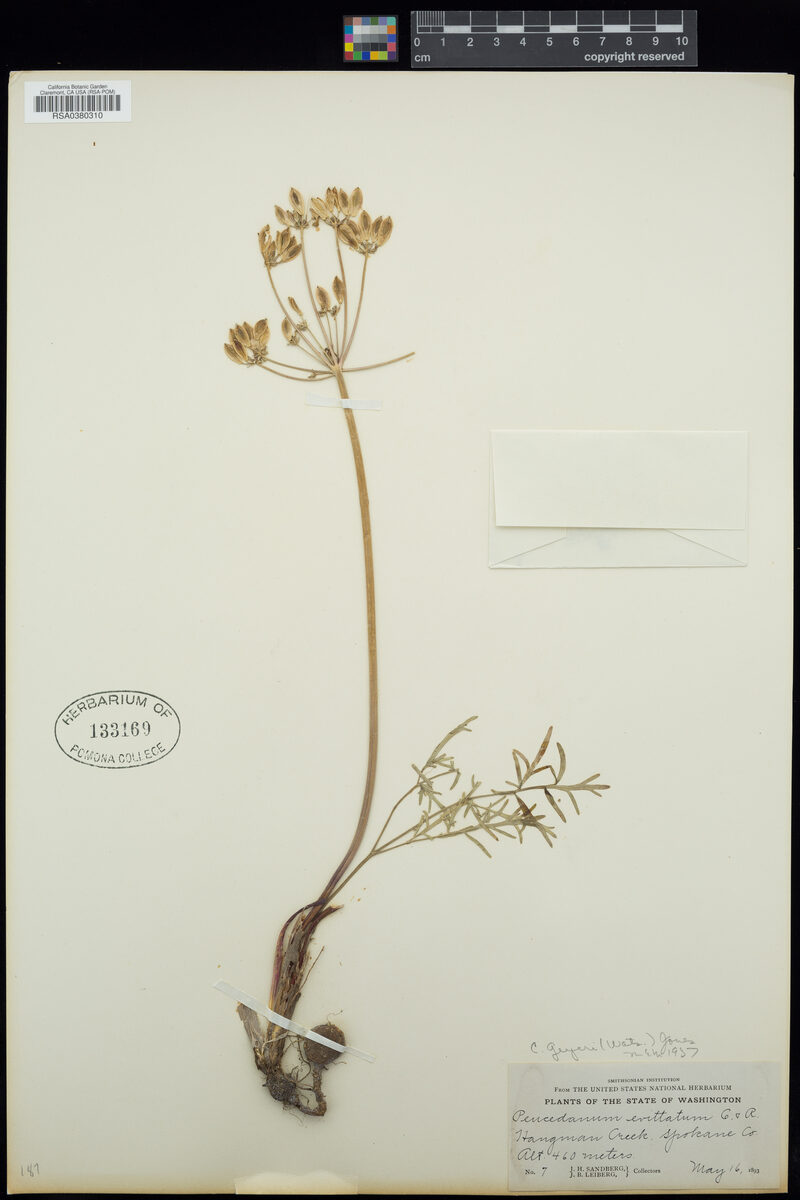
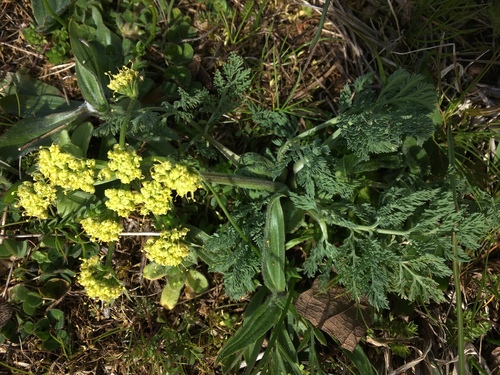
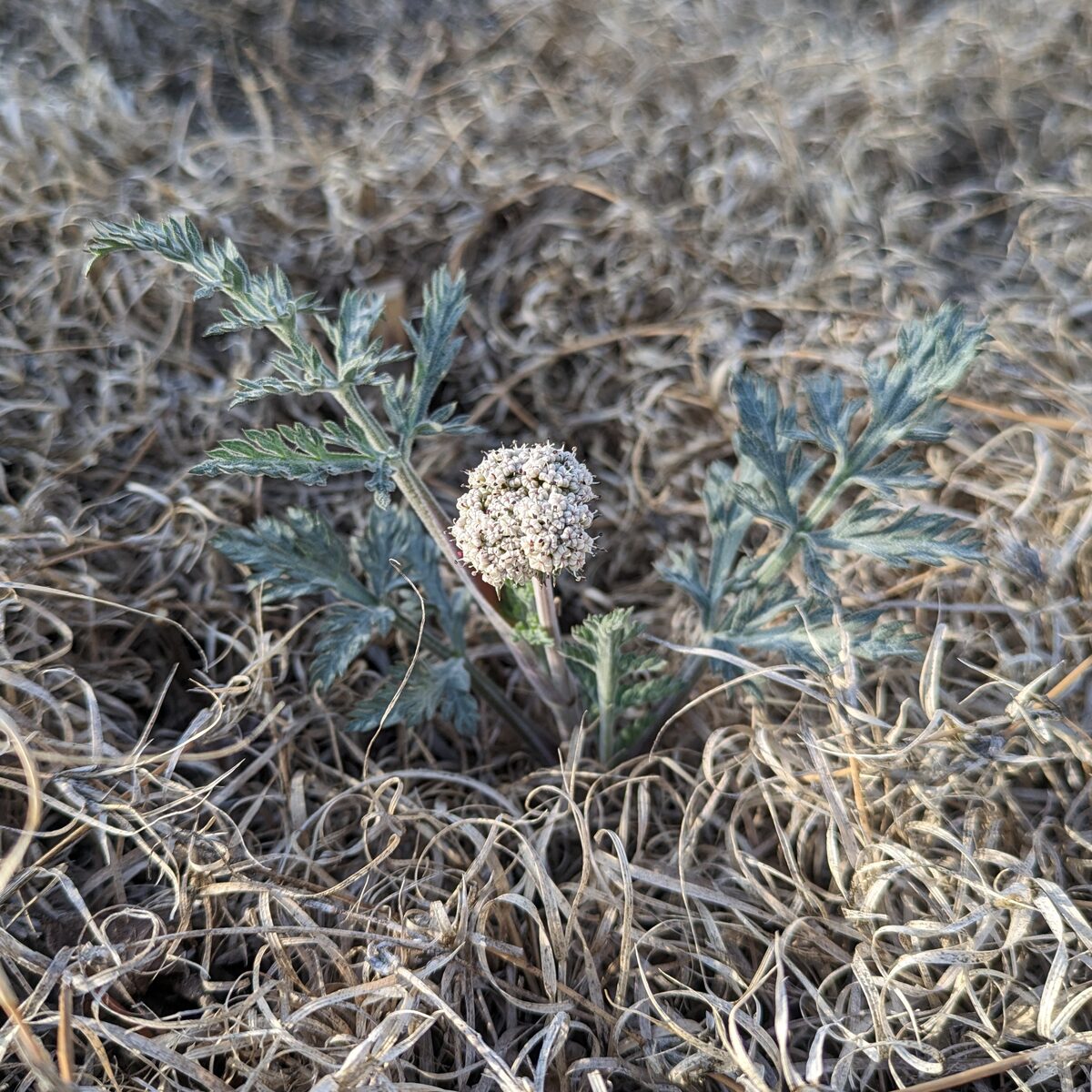
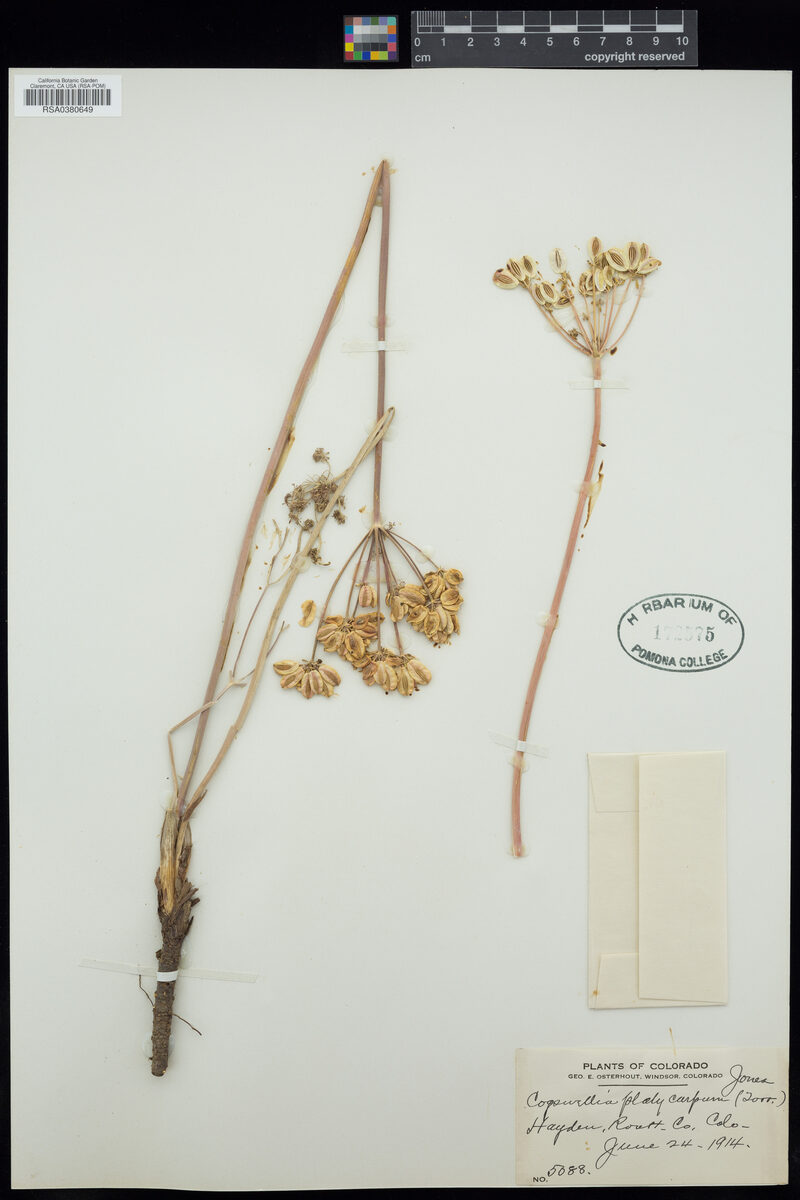
Angelica keiskei
(Miq.) Koidz.
Japanese angelica
iNaturalist· cc-by-nc
(c) Keita Watanabe, some rights reserved (CC BY-NC), uploaded by Keita Watanabe
iNaturalist· cc-by-nc
(c) era7568, some rights reserved (CC BY-NC)
iNaturalist· cc-by
(c) Marco Mussita, some rights reserved (CC BY)
Summary
Source: WikipediaA hardy perennial reaching 1.2 m tall, Angelica keiskei flowers from June to October with seeds maturing July to November. The self-fertile hermaphroditic flowers are insect-pollinated. It accommodates light sandy, medium loamy, and heavy clay soils with mildly acid to basic pH ranges, tolerates semi-shade or full sun, and handles maritime exposure well while preferring moist soil.
Description
A herb. It grows 1.5 m tall. It can grow for 2 or more years. The stems are hollow and 3-5 cm across. They are yellow to red. The leaves have leaflets along the side and these have teeth and often have 3 parts. The flowers are at the top. They are white.
Edible Uses
Leaves can be eaten raw or cooked. The stems are also edible. The short, thick root is edible cooked and is often pickled.
Traditional Uses
The root is used as a spice and flavouring. They are also pickled. The leaves are used for juice and seasoning. They can be eaten raw, boiled or deep fried.
Medicinal Uses
None known.
Distribution
It is a temperate plant. It is best in full sun and a well-drained moist soil.
Where It Grows
Asia, China, Japan, Korea, Taiwan,
Cultivation
Plants are grown from seed.
Propagation
Sow seed in a cold frame as soon as it is ripe, as viability drops quickly. Spring sowing is possible but expect lower germination rates. Light is required for germination. Once seedlings are large enough to handle, prick them out into individual pots and grow on in a cold frame through their first winter, then plant out in spring. Seed can also be sown directly in situ as soon as it is ripe.
Other Uses
None known.
Other Information
It is a commercially cultivated vegetable.
Notes
There are 50 Angelica species. They are temperate plants. It has anticancer properties.
Nutrition
| Part | Moisture | kJ | kcal | Protein | Vit A | Vit C | Iron | Zinc |
|---|---|---|---|---|---|---|---|---|
| Leaves | 88.6 | 138 | 33 | 4.2 | 51 | 41 | 0.7 | 0.8 |
| Root | — | — | — | — | — | — | — | — |
Synonyms
Also Known As
Ashitaba, Sinseoncho
References (11)
- Enoki, T., et al, 2007, Antidiabetic Activities of Chalcones Isolated from a Japanese Herb, Angelica keiskei. Journal of Agricultural and Food Chemistry. 55: 6013-6017
- Fl. symb. orient.-asiat. 20. 1930
- Kays, S. J., and Dias, J. C. S., 1995, Common Names of Commercially Cultivated Vegetables of the World in 15 languages. Economic Botany, Vol. 49, No. 2, pp. 115-152
- Kintzios, S. E., 2006, Terrestrial Plant-Derived Anticancer Agents and Plant Species Used in Anticancer research Critical Reviews in Plant Sciences. 25: pp 79-113
- Plants for a Future database, The Field, Penpol, Lostwithiel, Cornwall, PL22 0NG, UK. http://www.scs.leeds.ac.uk/pfaf/
Show all 11 references Hide references
- Rodriguez-Amaya, D. B., 1999, Carotenoides y Prepracion de Alimentos. University Estadual de Campinas, Brasil, Ph.D. thesis. p 23
- Seidemann J., 2005, World Spice Plants. Economic Usage, Botany, Taxonomy. Springer. p 42
- Song, M., et al, 2013, Traditional knowledge of wild edible plants in Jeju Island, Korea. Indian Journal of Traditional Knowledge. 12(2) pp 177-194
- Wiersema, J. H. & Leon, B., 2013, World Economic Plants. A Standard Reference CRC Press. 2nd Ed. p 54
- World Checklist of Useful Plant Species 2020. Royal Botanic Gardens, Kew
- Yang, R., et al, 2008, Content and distribution of flavonoids among 91 edible plant species. Asia Pac. J. Clin. Nutru. 17(S1): 275-279