Glycosmis mauritiana
(Lamk.) Tanaka
Orangeberry
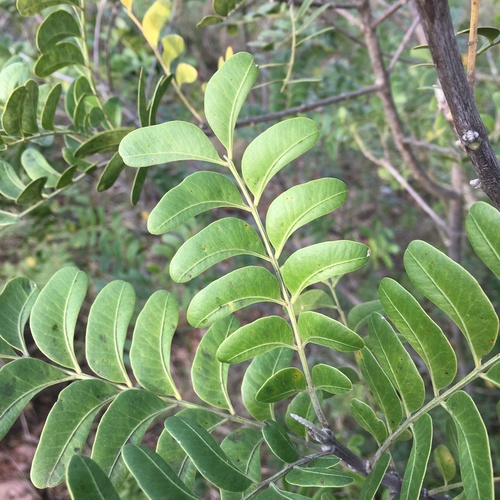
iNaturalist· cc-by-nc
(c) V.Arun, some rights reserved (CC BY-NC)
iNaturalist· cc-by-nc
(c) V.Arun, some rights reserved (CC BY-NC)
iNaturalist· cc-by-nc
(c) V.Arun, some rights reserved (CC BY-NC)
Description
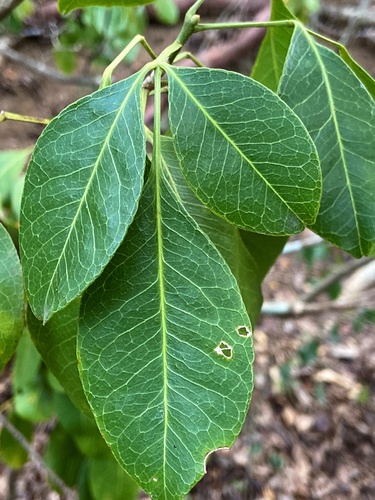
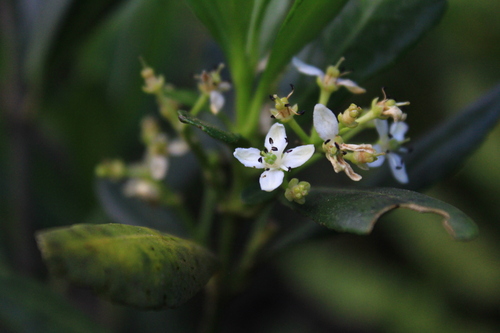
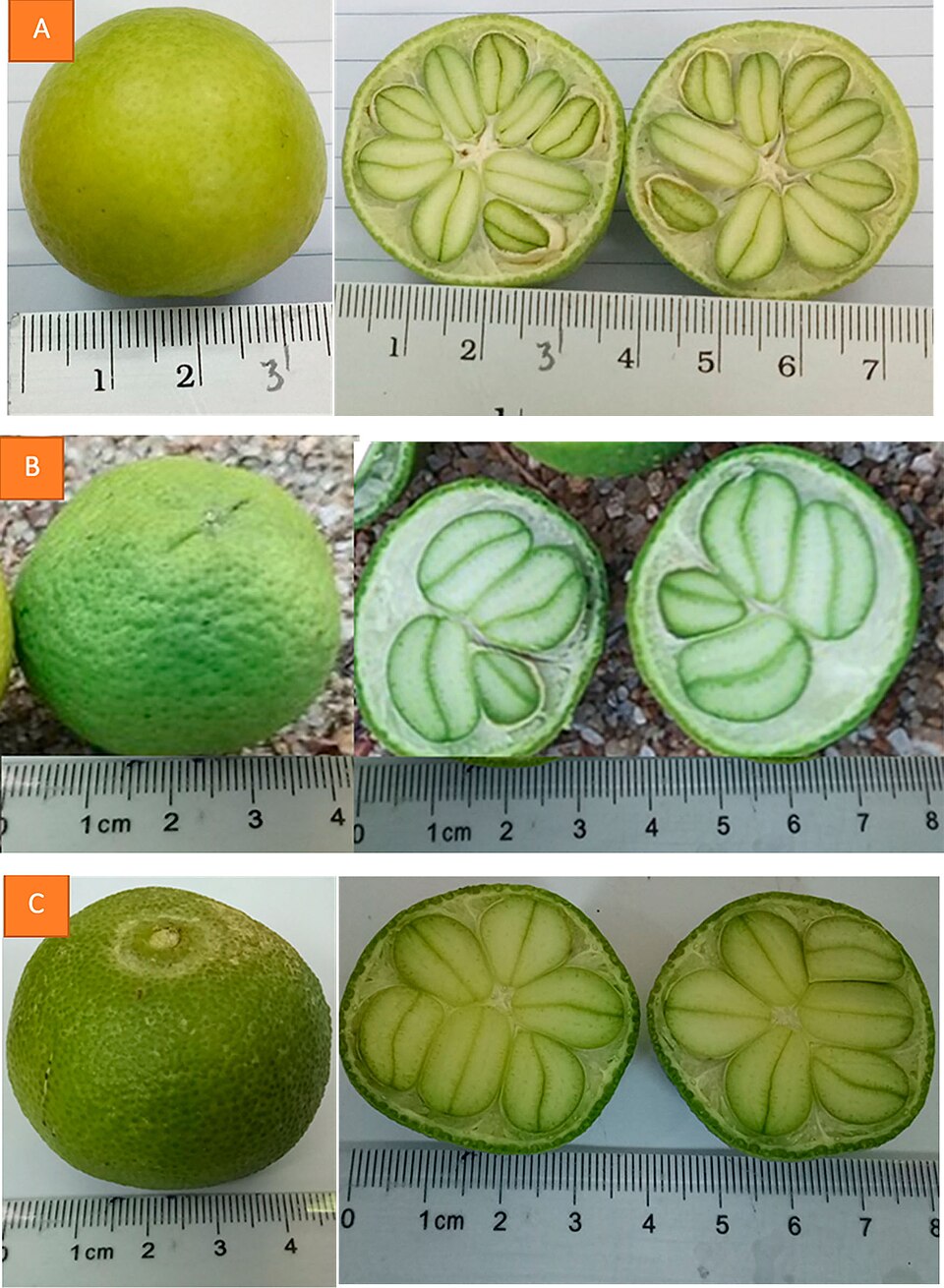
A shrub or small tree. It grows 4 m tall. The leaves are compound and have leaflets along the stalk. The leaves are 15 cm long. There are 3-5 leaflets. The flowers are in groups in the axils of leaves. The flowers are small and white. The fruit are pulpy berries. They are round and 2 cm across. There are 2-3 seeds.
Edible Uses
The ripe fruit are eaten.
Traditional Uses
The ripe fruit are eaten.
This uses section is brief — help expand it
Distribution
A tropical plant.
Where It Grows
Asia, China, India, Indochina, Indonesia, Malaysia, Myanmar, SE Asia, Sri Lanka, Thailand,
Notes
There are about 60 Glycosmis species.
Synonyms
Also Known As
Ash geora, Ban nibu, Gonji, Guroda gida, Guruvaade, Jangama, Konji, Kumana paanu, Kurumpannal, Maanikya beeja, Mankali, Panal, Panchi
References (5)
- Avinash, B. K., Kumar, R., et al, 2013, Ethnoboptany of Tharus of Dudhwa National Park, India. Mintage journal of Pharmaceutical & Medical Science 6-11
- Bot. Not. 28:159. Apr; Bull. Soc. Bot. France 75:708. Oct 1928
- Ramachandran, V.S. and Nair, V.J., 1981, Ethnobotanical studies in Cannanore District, Kerala State (India). J Econ. Tax. Bot. Vol 2 pp 65-72
- Reddy, K.R., 1989, Additional Notes on the Wild Edible Plants of India. J. Econ. Tax. Bot. Vol. 13 No. 1 pp 125-127
- Tamil herbs, 2007, Edible Plants of the Tropical Dry Evergreen Forest.