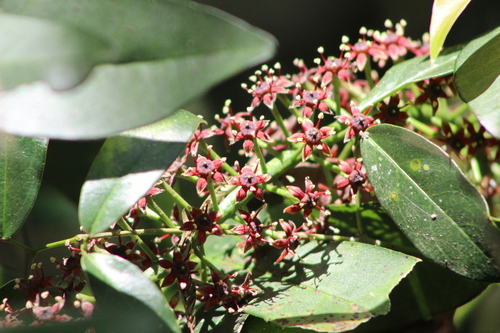
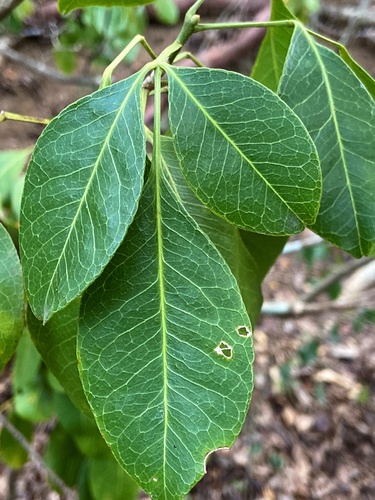
Citrus x junos
Siebold ex Yu.Tanaka
Yuzu
gbif· cc-by-nc
juan “juancho” lopez
gbif· cc-by-nc
juan “juancho” lopez
gbif· cc-by-nc
juan “juancho” lopez
Description
Citrus x junos is an evergreen Tree growing to 4 m (13ft) by 3 m (9ft) at a medium rate. See above for USDA hardiness. It is hardy to UK zone 9 and is not frost tender. The flowers are pollinated by Insects, Bees. The plant is self-fertile. It is noted for attracting wildlife. Suitable for: light (sandy), medium (loamy) and heavy (clay) soils and prefers well-drained soil. Suitable pH: mildly acid and neutral soils. It can grow in semi-shade (light woodland) or no shade. It prefers moist soil.
Edible Uses
The fruits have been used as a substitute for lemon and lime. They have a highly fragrant rind and flesh with an acid and tart flavour. The grated or slivered rind and juice are used for their distinctive, refreshing fragrance and flavour in Japanese-style dishes. The fruit juice is processed into a distinctive, citrus-flavoured vinegar. The fruit is also a citric acid source.
Medicinal Uses
Citrus species contain a wide range of active ingredients, and research is still underway to find their uses. They are rich in vitamin C, flavonoids, acids and volatile oils. They also contain coumarins such as bergapten, which sensitizes the skin to sunlight. Bergapten is sometimes added to tanning preparations since it promotes pigmentation in the skin, though it can cause dermatitis or allergic responses in some people. Some of the plant's recent applications are as sources of anti-oxidants and chemical exfoliants in specialized cosmetics.
Distribution
This is an artificial hybrid.
Where It Grows
This is an artificial hybrid.
Cultivation
Yuzu (C. × junos) is more cold-tolerant than many citrus types and is popular in Japanese and Korean cuisine. The hybrid formula of this artificial cross is C. cavaleriei × C. maxima × C. reticulata. Three main climates are suitable for commercial citrus production - tropical climates, subtropical with winter rain, such as in the Mediterranean and semitropical with summer rainfall, as found in Florida and southern Brazil. The optimal temperatures for citrus cultivation range between 25 - 30°c, with the coldest month having an average minimum of at least 15°c. Growth generally ceases below 13°c and above 38°c. Irrigation will be necessary if there are more than three months of dry periods. This species is one of the hardiest in the genus and can withstand temperatures down to -12°c. Prefers a deep, well-drained but moisture-retentive loamy soil in full sun. Prefers a pH in the range of 5 - 6. Plants cannot withstand long dry periods. This species is possibly a hybrid involving C. Cavaleriei and C. Reticulata. Soil Texture: Prefers light (sandy) to medium soils. It can tolerate slightly heavier soils if they are well-drained and aerated. Soil Moisture: Thrives in moist but not waterlogged soils. Drainage: Requires well-drained soil to prevent root rot and fungal diseases. Soil pH: Prefers slightly acidic to neutral soils (pH 5.5–7.0). Does not thrive in highly alkaline conditions. Saline Tolerance: Has a low tolerance for saline soils or water. Avoid salt-affected areas. Tolerance of Poor Soil: Not particularly tolerant of poor soils, but it can adapt with adequate organic amendments and fertilisation. Light Requirements: Requires full sun to partial shade. Full sun is best for fruit production, but it can tolerate some shade, especially in hotter climates. Height: Typically grows to about 3–4 meters (10–13 feet) tall, though it can be pruned smaller for cultivation or container growing. Pollination: Pollinated by insects, particularly bees. It is self-fertile, so no cross-pollination is required for fruit set. Temperature: Yuzu is more cold-tolerant than most citrus species, tolerating temperatures as low as -9°C (15°F). Ideal for USDA zones 8–10. Fertilisation: Requires regular feeding with a balanced citrus fertiliser containing nitrogen, phosphorus, potassium, and micronutrients. Flowering and Fruiting: Produces small, fragrant white flowers in spring, followed by aromatic, bumpy yellow fruits in late fall to early winter. Watering: Requires regular watering during hot and dry periods, but ensure soil does not remain soggy. Pests and Diseases: Susceptible to common citrus pests such as aphids, scale, and citrus leaf miners. Diseases can include root rot, citrus canker, and fungal infections in humid conditions. Pruning: Prune lightly to maintain shape and remove dead or crossing branches. Its thorny nature makes pruning and harvesting more challenging. Citrus trees are generally medium-growing, taking about 3 to 5 years to start producing fruit after planting, depending on the species and growing conditions. They can reach a height of 10 to 30 feet (3 to 9 meters), with some dwarf varieties available for smaller spaces. Most Citrus species are self-fertile, meaning they can produce fruit without needing another plant for cross-pollination, though cross-pollination can improve fruit set in some varieties. Citrus fruits are generally harvested in late autumn to early spring, depending on the specific variety and local climate. Citrus trees usually flower in the spring. Some species may have a second flowering period in late summer.
Propagation
Seed-grown plants are normally quite similar to their parent, but there is always a chance of hybridisation with atypical seedlings being produced. The seed is best sown in containers when ripe after thoroughly rinsing it. Sow stored seed in containers as soon as possible]. Germination usually takes place within 2 - 3 weeks at 13°c. Seedlings are liable to damp off so they must be watered with care and ventilated well. The seed is usually polyembryonic; two or more seedlings arise from each seed, and they are genetically identical to the parent, but they do not usually carry any virus that might be present in the parent plant. When large enough to handle, prick the seedlings out into individual pots and grow them until they are 10cm tall before planting them out into their permanent positions. Cuttings of half-ripe wood, July/August in a frame. This species grows easily from cuttings. Layering in October.
Other Uses
This species is an important cold-resistant rootstock for other Citrus species. Nectary - Flowers rich in nectar and pollen: Citrus flowers are rich in nectar and pollen, making them highly attractive to pollinators like bees. Wildlife - Food (Fruit, Seeds, Leaf litter, Shelter, Nesting, Roosting): Fruits are a food source for various wildlife, including birds and mammals. The dense foliage of citrus trees can also provide shelter for nesting and roosting birds. Invertebrate Shelter (Overwintering sites, Leaf litter, Groundcover): The dense leaf litter under citrus trees can offer overwintering sites for invertebrates, and beneficial insects can use the rough bark of mature trees. Pest Confuser (Smell): The strong citrus scent from the leaves and fruit can act as a natural pest deterrent, helping to confuse or repel certain insects.
Synonyms
Also Known As
Yuzu.