Alpinia blepharocalyx
K. Schum.
Medu
iNaturalist· cc-by-nc
(c) BioM_Akekachoke.B, some rights reserved (CC BY-NC)
iNaturalist· cc-by-nc
(c) BioM_Akekachoke.B, some rights reserved (CC BY-NC)
iNaturalist· cc-by-nc
(c) BioM_Akekachoke.B, some rights reserved (CC BY-NC)
Description
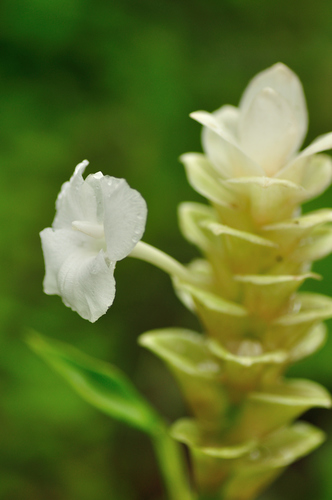
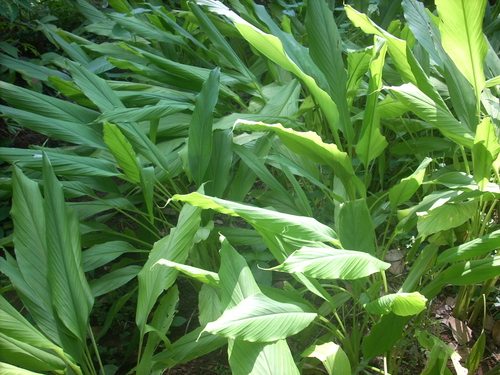
A ginger family herb. The false stems are 1-3 m tall. The leaves are pale green underneath. They are sword shaped and 45-60 cm long by 4-15 cm wide. The flowering stalks are 20-30 cm long and drooping. The flowers are red and yellow.
Edible Uses
The fruit and flowers are eaten raw.
Traditional Uses
The fruit are eaten raw.
This uses section is brief — help expand it
Distribution
A tropical plant. It grows in Yunnan in China between 600-1200 m above sea level. It grows in secondary forest.
Where It Grows
Asia, Bangladesh, China, India, Indochina, Laos, Myanmar, SE Asia, Thailand, Vietnam,
Notes
There are about 200-230 Alpinia species. They are mostly tropical and subtropical. Not in The Plant List.
Synonyms
Also Known As
Ge bo bao, Ma ga
References (5)
- Aiguo, C. & Zhiling, D., 2001, Managing Agricultural Resources for Biodiversity Conservation. Case Study Yunnan, Southwest China. Environment Liaison Center International. p 42
- Cao, Y., et al, 2020, Ethnobotanical study on wild edible plants used by three trans-boundary ethnic groups in Jiangcheng County, Pu’er, Southwest China. Journal of Ethnobiology and Ethnomedicine (2020) 16:66
- Jin, Chen et al, 1999, Ethnobotanical studies on Wild Edible Fruits in Southern Yunnan: Folk Names: Nutritional Value and Uses. Economic Botany 53(1) pp 2-14 (As Alpinia blepharocalyx)
- Liu, Yi-tao, & Long, Chun-Lin, 2002, Studies on Edible Flowers Consumed by Ethnic Groups in Yunnan. Acta Botanica Yunnanica. 24(1):41-56 (As Alpinia blepharocalyx)
- Xu, Z., Tao, G. & Tan, J., 1988, Tropical Wild Flowers and Plants in Xishuangbanna, Agricultural Publishing House. photo 47 (As Alpinia blepharocalyx)