Barringtonia niedenzuana
(K.Schum) R. Knuth
gbif· cc0
President and Fellows of Harvard College
gbif· cc0
President and Fellows of Harvard College
gbif· cc0
President and Fellows of Harvard College
Description
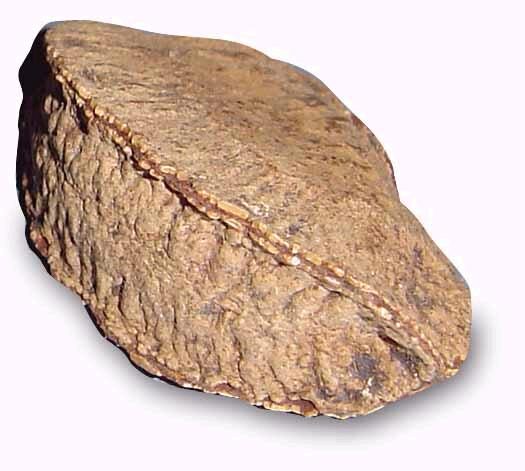
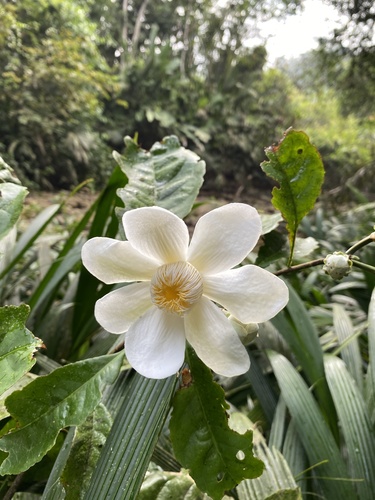
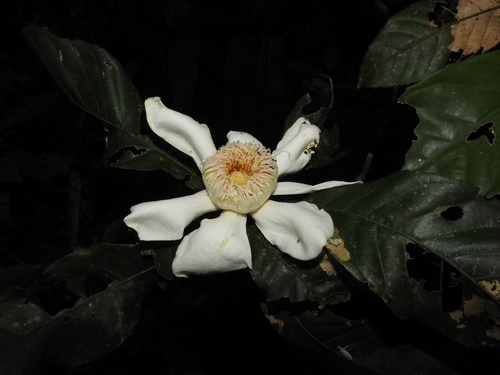
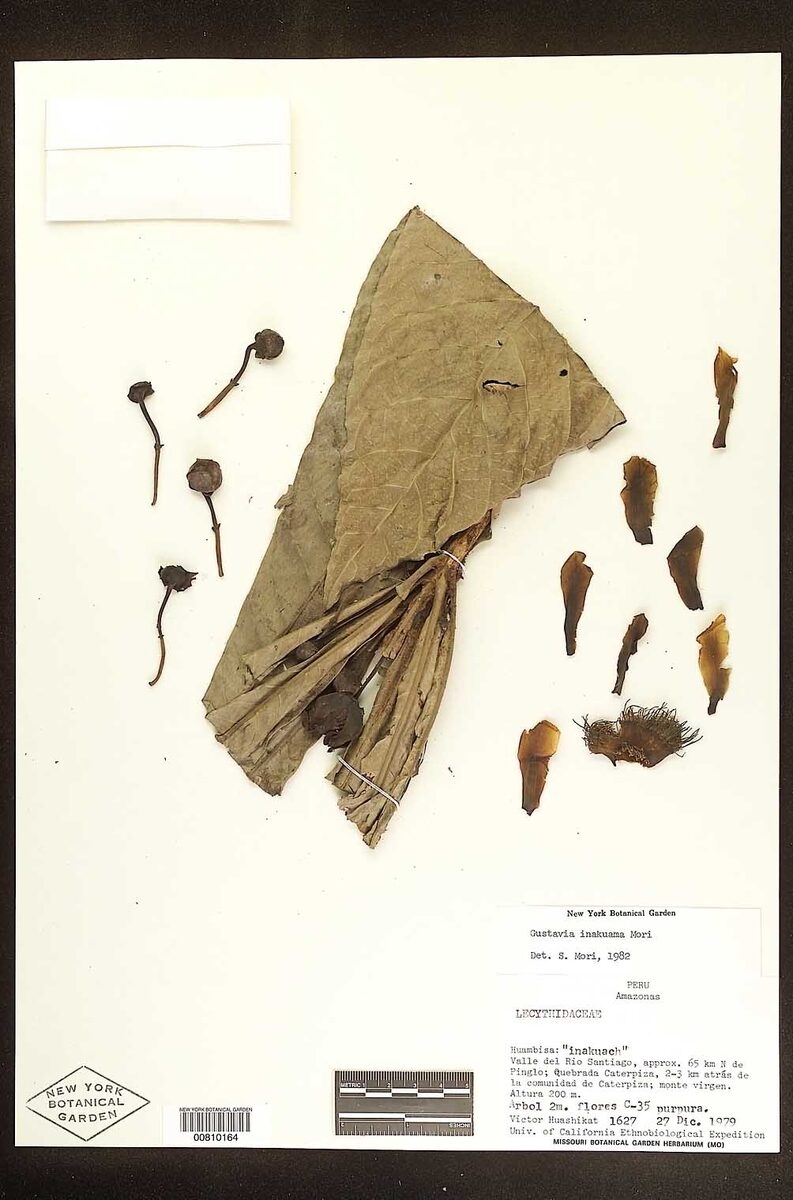
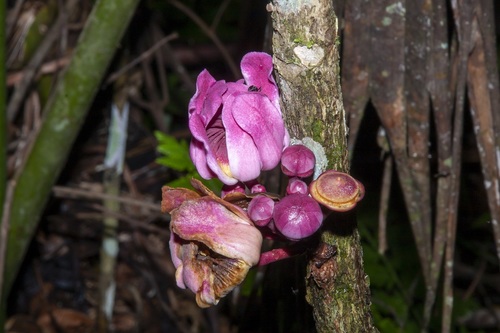
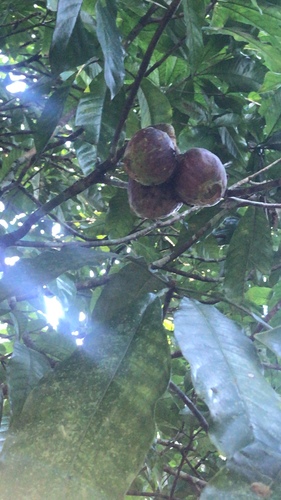
A small tree up to 15 m tall. Trunks are 5 to 25 cm across and twigs are 2 to 5 mm thick. The tree has a dense cone shaped group of leaves at the top. The bark is cracked and irregular. The leaves are egg shaped and 12 to 26 cm long by 4 to 9 cm wide. The leaves are like paper with a wavy or toothed edge. They are dark green on top and paler underneath. A cluster of five leaves occurs on the end of a branch. The leaves are pointed at the tip and wedge shaped at the base. The midrib and main veins are prominent on both sides while the fine veins are only prominent under the leaf. The flower stalks are 20 to 90 cm long, with about 30 flowers. The flower buds are pale green sometimes with a purple tinge. The flower petals can vary from purple to red, pink or yellow. The fruit is dark green. The fruit have 4 angles and are about 5 cm long by 1 cm across. The kernel or seed is about 3 cm long by 5 mm wide.
Edible Uses
The nuts (kernels) are eaten.
Distribution
A tropical plant. It grows in rainforest especially on limestone slopes. It can also grow under the rainforest and in low damp places near mangroves. It occurs up to 700 m above sea level.
Where It Grows
Asia, Indonesia, Pacific, Papua New Guinea, PNG, SE Asia, Solomon Islands,
Cultivation
Trees can flower and produce fruit for much of the year.
Propagation
Seed - best sown as soon as it is ripe.
Production
Flowering occurs from January to November and fruiting is mainly between April and November.
Notes
There are about 40 Barringtonia species.
Synonyms
Also Known As
Ai ai chiram, Bori koelit, Buaro, Falagori, Falangada, Falangori, Fatafatu, Kenu, Kupunihari, Lususio, Pao, Sisel, Sowiriw, Tagal, Ta-autim
References (7)
- French, B.R., 2010, Food Plants of Solomon Islands. A Compendium. Food Plants International Inc. p 169
- Henderson, C.P. and Hancock, I.R., 1988, A Guide to the Useful Plants of Solomon Islands. Res. Dept. Ministry of Agriculture and Lands, Honiara, Solomon Islands, p 63
- Payens, J.P.D.W., 1967, A monograph of the genus Barringtonia (Lecythidaceae) in Blumea Vol. XV No 2 1967, p 236
- Peekel, P.G., 1984, (Translation E.E.Henty), Flora of the Bismarck Archipelago for Naturalists, Division of Botany, Lae, PNG. p 399, 398
- Prance, G. T. & Jongkind, C. H., 2015, A Revision of African Lecythidaceae. Kew Bulletin. 70:1-68
Show all 7 references Hide references
- Wickens, G.E., 1995, Edible Nuts. FAO Non-wood forest products. FAO, Rome. p 139
- World Checklist of Useful Plant Species 2020. Royal Botanic Gardens, Kew