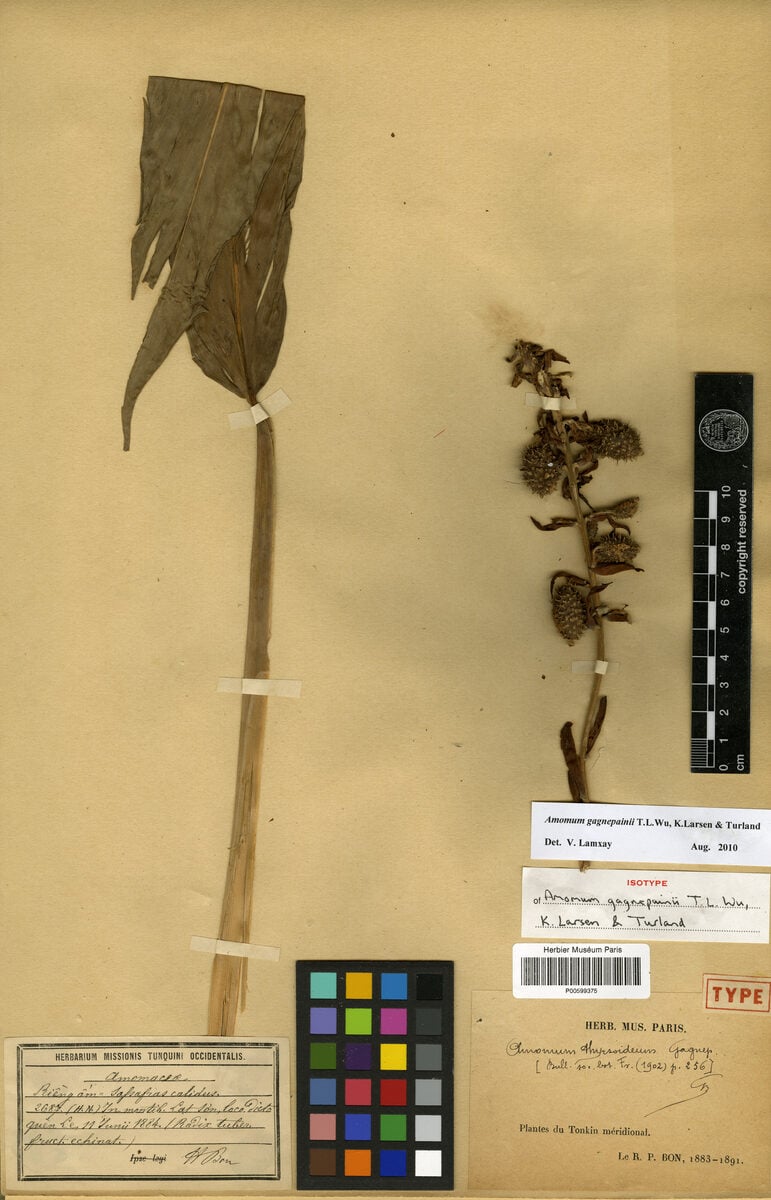
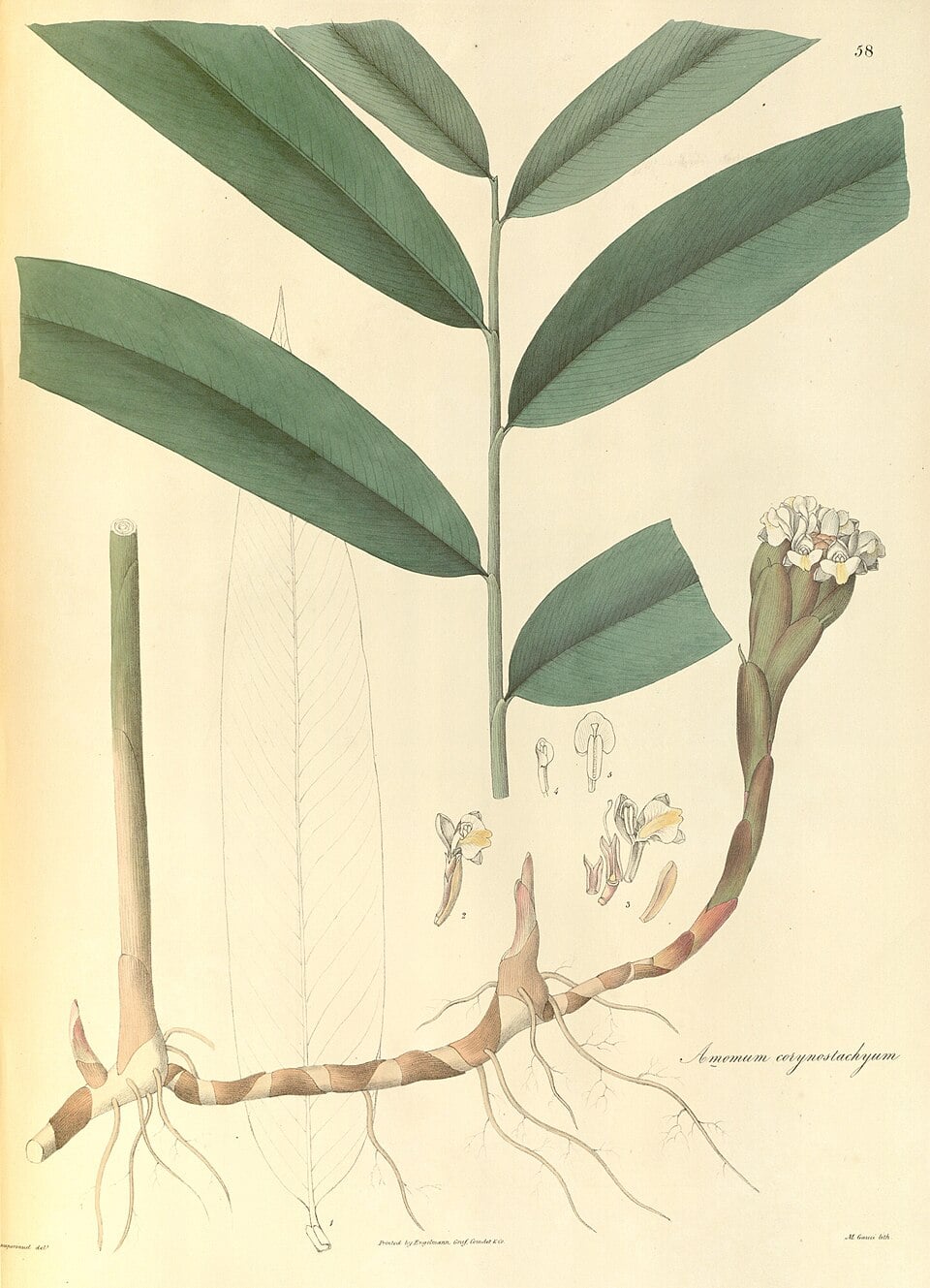
Etlingera walang
(Blume) R.M.Smith
Walang
gbif· cc0
President and Fellows of Harvard College
Summary
Source: WikipediaEtlingera walang is a monocotyledonous plant species first described by Carl Ludwig von Blume, and given its current name by Rosemary Margaret Smith. Etlingera walang is part of the genus Etlingera and the family Zingiberaceae. The range of the species is Java. No subspecies are listed in the Catalog of Life.
Description
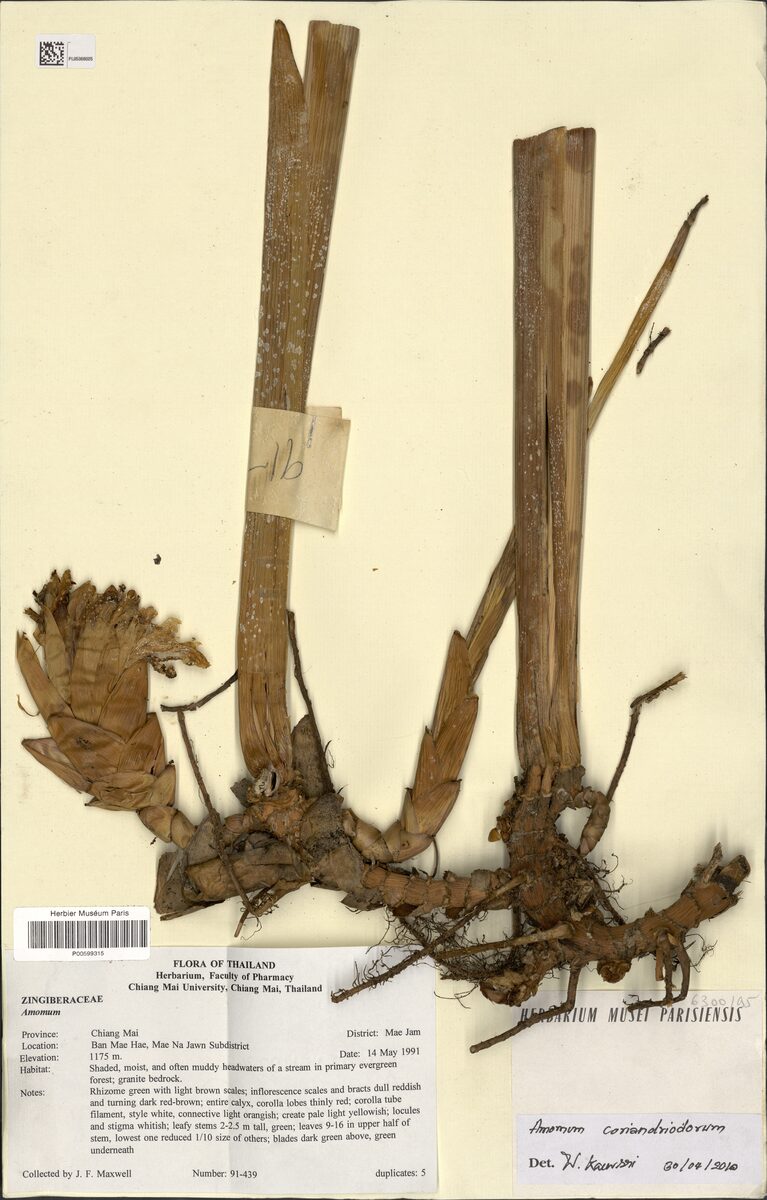
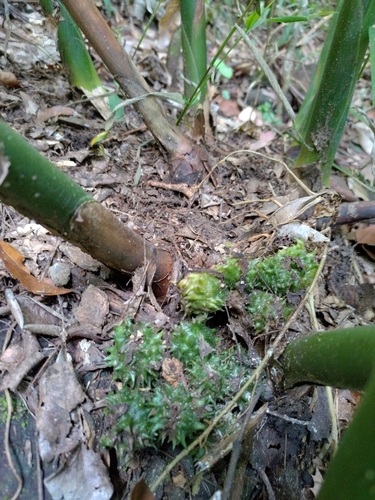
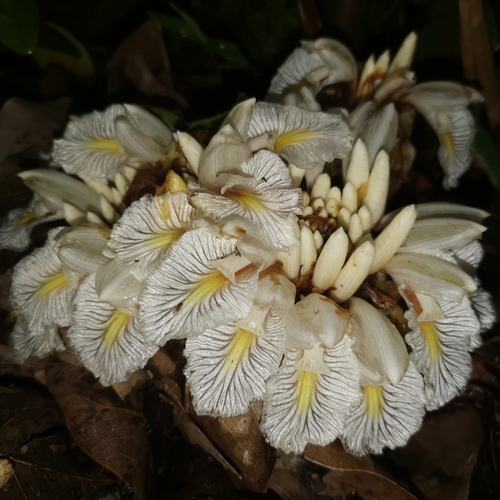
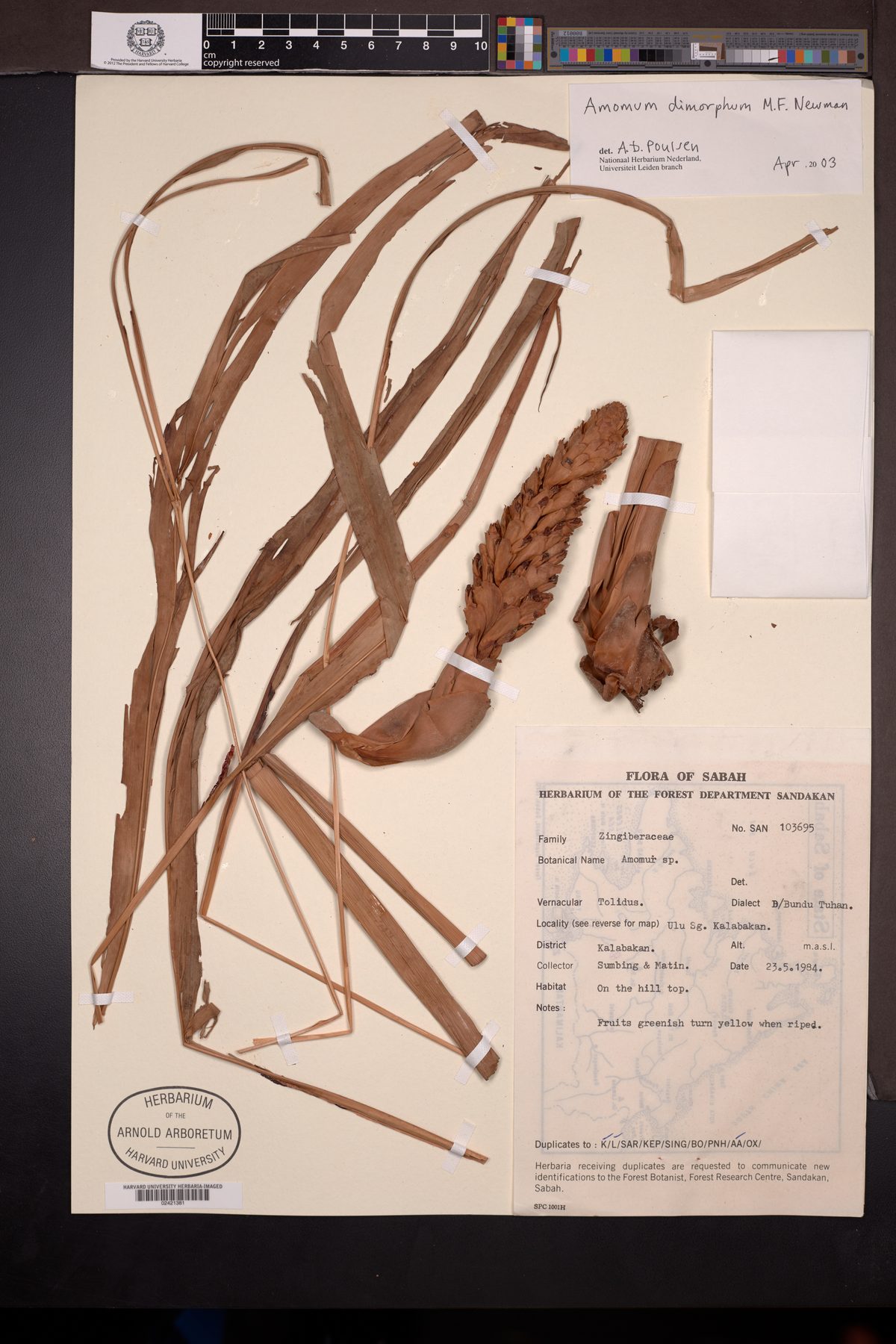
A ginger family herb. It keeps growing from year to year. It grows 1.5-2 m tall. The rhizomes are slender. The leaves are arranged in two upright rows. The leaf stalk is 1 cm long. The leaf blade is sword shaped and 30-50 cm long by 5-6 cm wide. It flowering head is like a cylinder. It is 5-7 cm long by 2-3 cm wide. The fruit stalk is underground and 8 cm long. It is covered with scales 5 cm long. The bracts are narrowly sword shaped. They are 8 cm long by 1 cm wide. The inner bracts are smaller.
Edible Uses
The leaves are used as a flavoring.
Traditional Uses
The leaves are used as a flavouring.
This uses section is brief — help expand it
Distribution
A tropical plant. It grows up to 1,200 m above sea level. It occurs in Java.
Where It Grows
Asia, Indonesia*, SE Asia,
Cultivation
We have no specific information for this species, but plants in this genus generally prefer a sunny position and a moist but well-drained, fertile, humus-rich soil.
Propagation
Seed - Division of the rhizomes.
Other Uses
The crushed leaves have an unpleasant odour which is like that of the rice bug Leptocorisa acuta ('walang sangit'). Historically more important is the practice in western Java of burning leaves on rice fields in order to repel that pest of rice.
Notes
There are about 70 Etlingera species.
Synonyms
References (4)
- Lembaga Biologi Nasional, 1977, Ubi-Ubian, Balai Pustaka, Jakarta. p 104 (As Achasma walang)
- PROSEA handbook Volume 13 Spices. p 254
- Seidemann J., 2005, World Spice Plants. Economic Usage, Botany, Taxonomy. Springer. p 149
- World Checklist of Useful Plant Species 2020. Royal Botanic Gardens, Kew