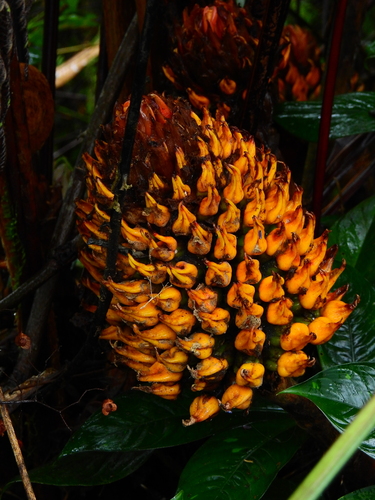
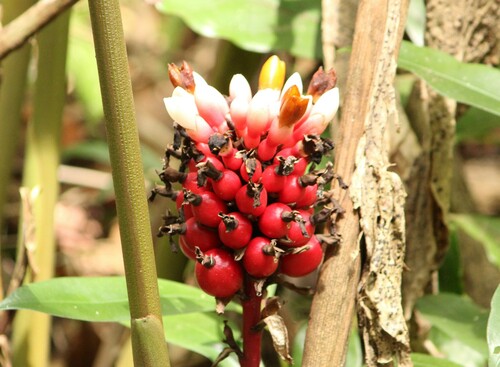
Elettaria cardamomum
(L.) Maton
Cardamom, Ceylon cardamom
iNaturalist· cc-by-nc
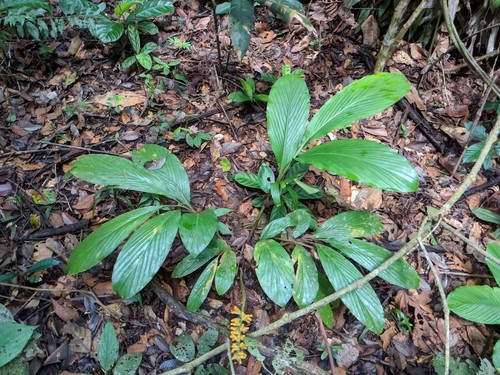
(c) permaculturacaimito, some rights reserved (CC BY-NC), uploaded by permaculturacaimito
iNaturalist· cc-by-nd
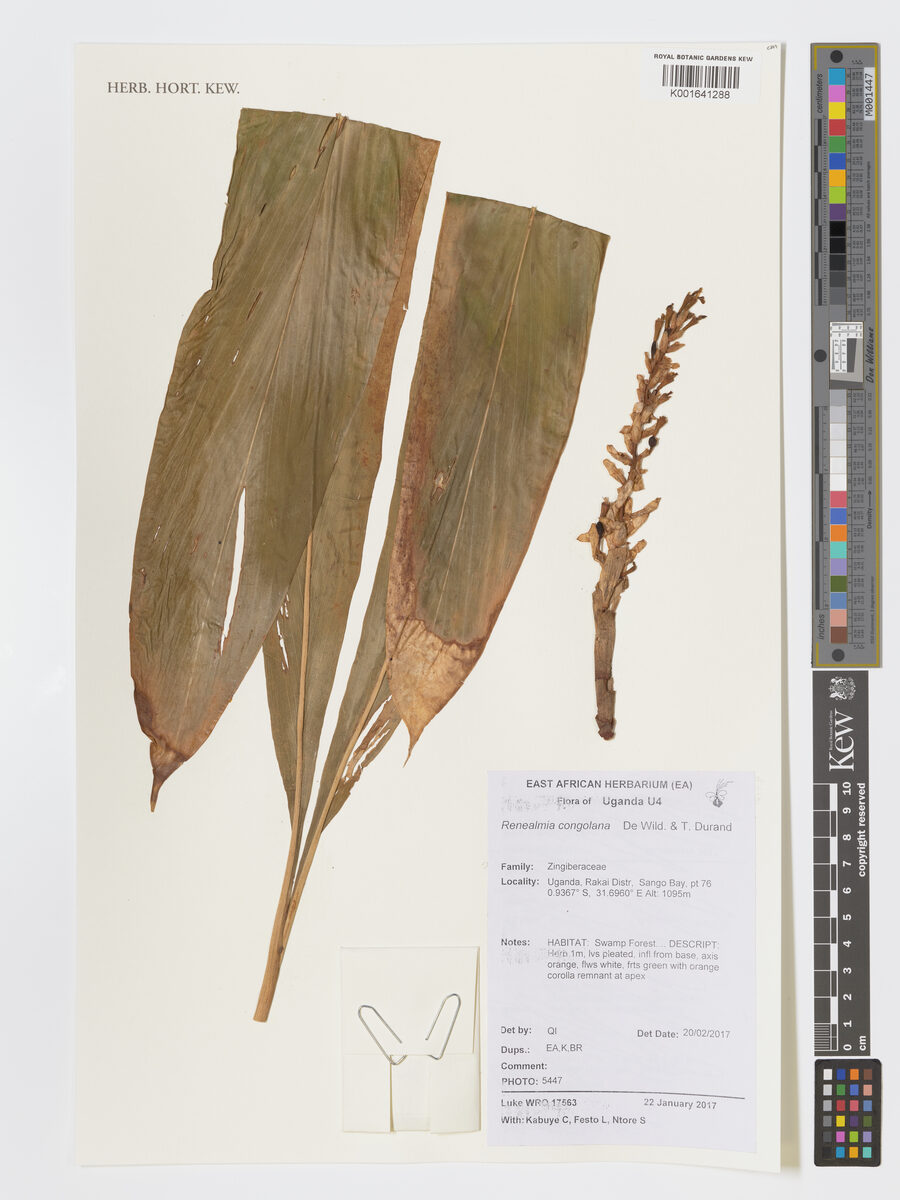
(c) zoyachubby, some rights reserved (CC BY-ND)
iNaturalist· cc-by-nc-nd
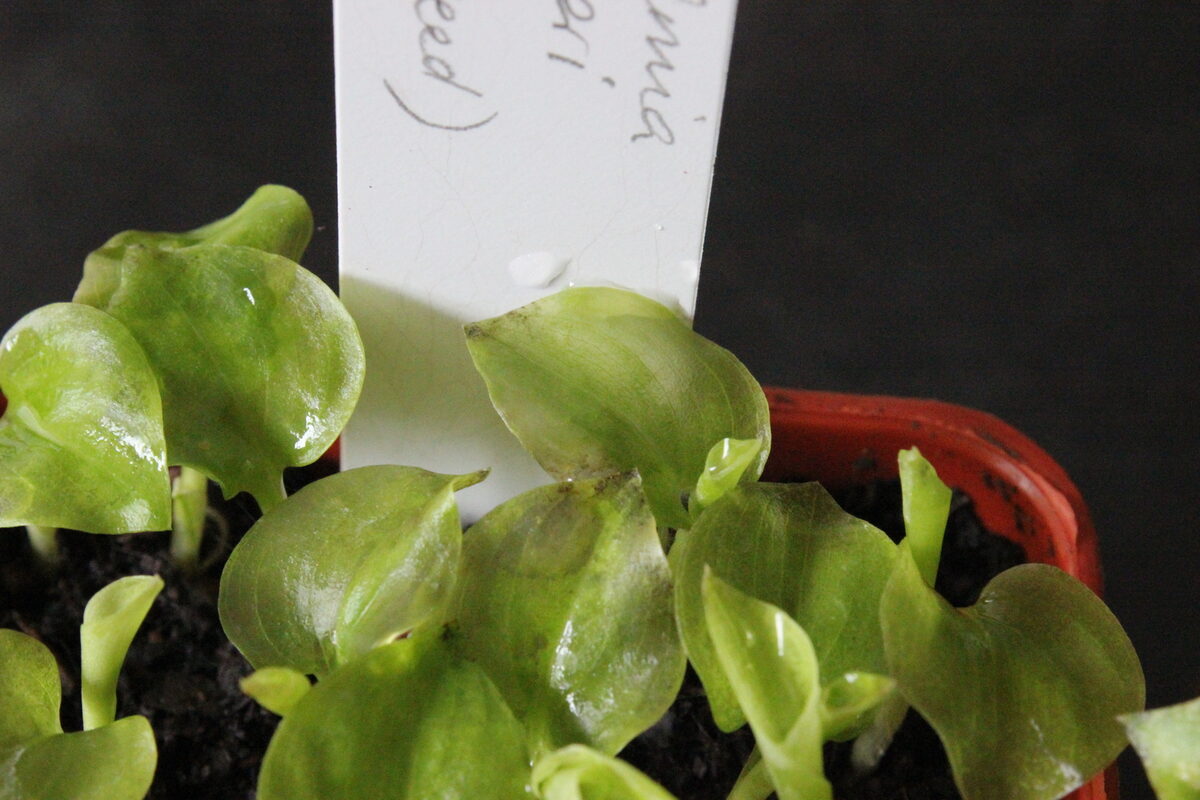
(c) Matthew Stevens, some rights reserved (CC BY-NC-ND)
Summary
Source: WikipediaElettaria cardamomum, commonly known as green cardamom or true cardamom, is a herbaceous, perennial plant in the ginger family, native to southern India. It is the most common of the species whose seeds are used as a spice called cardamom that has a strong aroma used in both savory and sweet cooking. It is cultivated widely in tropical regions and reportedly naturalized in Réunion, Indochina, and Costa Rica.
Description
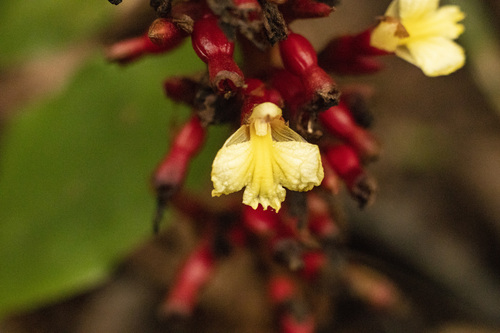
A ginger family herb. It keeps growing from year to year. It grows to 3 m high and spreads to 1 m across. It has a clump of leafy aerial stems and then thick fleshy underground stems. The leaves are long and can be 1 m x 30 cm. They are dark green and alternate. The leaves are paler and softly hairy underneath. The flowers are green and white and produced on a branched flower stalk near the ground. The flowers have a violet tip. Seed capsules with several wrinkled seeds develop. The capsule has 3 cells. They are pale green and have a sweet smell.
Edible Uses
The green seed pods of the plant are dried and the seeds inside the pod are used in Indian and other Asian cuisines, either whole or ground. It is the most widely cultivated species of cardamom; for other types and uses, see cardamom.
Traditional Uses
The seeds are used as a flavouring. They are used in biscuits and cakes. It is also used in curries and added to coffee. The seeds are chewed after meals to sweeten the breath. The young shoots are eaten raw or steamed or roasted. Leaves are used for wrapping foods before cooking. The seeds are used in cakes.
Medicinal Uses
The seeds, and an essential oil obtained from them, are a pungent, warm, aromatic herb that has stimulating, tonic effects, especially on the lungs and kidneys. It relaxes spasms, is expectorant and improves digestion. It reputedly detoxifies caffeine and counteracts mucus-forming foods such as dairy products. It has a long-lasting reputation as an aphrodisiac. The seed is taken internally in the treatment of indigestion, nausea, vomiting, enuresis and pulmonary diseases with copious phlegm. It is used in Ayurvedic medicine to treat bronchial and digestive complaints. The seed is chewed after meals in order to sweeten the breath. When taken with garlic, it helps to neutralize the garlic aroma. When used as a tincture, this herb is subject to legal restrictions in some countries. The fruits are harvested in the dry season and dried whole. The seeds are removed for oil extraction or to use medicinally in liquid extracts, powders etc. The ground rhizomes are used to treat colds.
Known Hazards
True cardamom may have been used in Ayurveda medicine as early as the 4th century BC. Ground cardamom is an ingredient in many Indian curries and is a primary contributor to the flavour of masala chai. In Iran and India, cardamom is used to flavour coffee and tea. Cardamom has been used medicinally in traditional practices for nausea, kidney disorders, gum infections, and cataracts. In addition to its native range, it is grown in Nepal, Vietnam, Cambodia, Thailand, Sri Lanka, and Central America. In India, the states of Sikkim and Kerala are the main producers of cardamom; they rank highest both in cultivated area and in production.
Distribution
It is a tropical plant. It grows from sea level up to about 1,800 m altitude in the tropics. In PNG it is mostly between 550-1,700 m above sea level. It prefers warm, rich, moist soils. It needs a protected and partly shaded position. It is drought and frost tender. Seed need a temperature between 19 and 24°C to grow. Plants need a temperature above 10°C. It suits hardiness zones 10-12.
Where It Grows
Africa, Andes, Asia, Australia, Bangladesh, Bougainville, Cambodia, Caucasus, Central America, China, Colombia, Costa Rica, Cuba, East Africa, East Timor, Fiji, Georgia, Ghana, Guatemala, Hawaii, India*, Indochina, Indonesia, Laos, Madagascar, Malawi, Malaysia, Maldives, Mexico, Myanmar, Nepal, North America, Pacific, Papua New Guinea, PNG, Philippines, SE Asia, Solomon Islands, Sri Lanka, Tanzania, Thailand, Timor-Leste, USA, Vietnam, West Africa, West Indies,
Cultivation
Plants can be grown from seed. It is normally grown under the shade of the primary rainforest. Seeds are slow to germinate. It can be grown from slips of plants.
Propagation
Seed - usually germinate 5 - 7 weeks after sowing, but germination is irregular and may continue for up to one year. Division
Other Uses
The essential oil obtained from the seeds is an important ingredient in perfumery. An ingredient of certain types of Eau de Cologne.
Production
The capsules are harvested when they are almost ripe but before they turn yellow. They are then dried in a warmed and ventilated shed.
Other Information
It is being cultivated commercially in some lowland areas of Papua New Guinea.
Notes
There are 7 Elettaria species.
Nutrition
| Part | Moisture | kJ | kcal | Protein | Vit A | Vit C | Iron | Zinc |
|---|---|---|---|---|---|---|---|---|
| Seed | 8.3 | 1303 | 312 | 10.8 | 0 | 21 | 14 | 7.5 |
Synonyms
Also Known As
Bai dou kou, Buah pelaga, Cardamone, Choti-elachi, Ela, Elach, Elaichi, Elchi, Ella-kai, Enasal, Ensal, Hai, Ilaayaci, Illaichi, Kapulaga, Karadamungu, Kardemon, Krakao sbat, Kravan, Luk grawan, Luk kravan, Pai-tou-k'ou, Periyayalum, Phalazee, Phalar-phyu, Phalar-yaing, Upakunchika, Veldode, Xiao dou kou, Yelak-kayalu, Yelakkai, Yelakki, Yelam
References (53)
- Ambasta, S.P. (Ed.), 2000, The Useful Plants of India. CSIR India. p 193
- Bodkin, F., 1991, Encyclopedia Botanica. Cornstalk publishing, p 378
- Bremness, L., 1994, Herbs. Collins Eyewitness Handbooks. Harper Collins. p 169
- Brickell, C. (Ed.), 1999, The Royal Horticultural Society A-Z Encyclopedia of Garden Plants. Convent Garden Books. p 393
- Brouk, B., 1975, Plants Consumed by Man. Academic Press, London. p 289
Show all 53 references Hide references
- Brown, D., 2002, The Royal Horticultural Society encyclopedia of Herbs and their uses. DK Books. p 200
- Burkill, I.H., 1966, A Dictionary of the Economic Products of the Malay Peninsula. Ministry of Agriculture and Cooperatives, Kuala Lumpur, Malaysia. Vol 1 (A-H) p 925
- Bussman, R. W., et al, 2021, Unity in diversity—food plants and fungi of Sakartvelo (Republic of Georgia), Caucasus. Journal of Ethnobiology and Ethnomedicine (2021) 17:72 p 15
- Cobley, L.S. (rev. Steele, W.M.) 2nd Ed., 1976, An Introduction to the Botany of Tropical Crops. Longmans. p 233
- Cundall, P., (ed.), 2004, Gardening Australia: flora: the gardener's bible. ABC Books. p 534
- Esperanca, M. J., 1988. Surviving in the wild. A glance at the wild plants and their uses. Vol. 1. p 189
- Facciola, S., 1998, Cornucopia 2: a Source Book of Edible Plants. Kampong Publications, p 248, p 247 (As Amomum compactum)
- Flowerdew, B., 2000, Complete Fruit Book. Kyle Cathie Ltd., London. p 163
- French, B.R., 1986, Food Plants of Papua New Guinea, A Compendium. Asia Pacific Science Foundation p 344
- French, B.R., 2010, Food Plants of Solomon Islands. A Compendium. Food Plants International Inc. p 326
- Hedrick, U.P., 1919, (Ed.), Sturtevant's edible plants of the world. p 287
- Hemphill, I, 2002, Spice Notes. Macmillan. p 104
- Heywood, V.H., Brummitt, R.K., Culham, A., and Seberg, O., 2007, Flowering Plant Families of the World. Royal Botanical Gardens, Kew. p 409
- Hibbert, M., 2002, The Aussie Plant Finder 2002, Florilegium. p 27 (As Amomum cardamomum)
- Hutton, W., 1997, Tropical Herbs and Spices of Indonesia. Periplus. p 17
- Hu, Shiu-ying, 2005, Food Plants of China. The Chinese University Press. p 325 (As Amomum cardamomum) (Also as Amomum cardamomum)
- Kiple, K.F. & Ornelas, K.C., (eds), 2000, The Cambridge World History of Food. CUP p 432, 1745 (Also as Amomum cardamomum)
- Kybal, J., 1980, Herbs and Spices, A Hamlyn Colour Guide, Hamlyn Sydney p 92
- Macmillan, H.F. (Revised Barlow, H.S., et al), 1991, Tropical Planting and Gardening. Sixth edition. Malayan Nature Society. Kuala Lumpur. p 374
- Martin, F.W. & Ruberte, R.M., 1979, Edible Leaves of the Tropics. Antillian College Press, Mayaguez, Puerto Rico. p 225 (As Amomum cardamomum)
- Menninger, E.A., 1977, Edible Nuts of the World. Horticultural Books. Florida p 81
- Miguel, E., et al, 1989, A checklist of the cultivated plants of Cuba. Kulturpflanze 37. 1989, 211-357
- Morton, (As Amomum cardamomum)
- Mulherin, J., 1994, Spices and natural flavourings. Tiger Books, London. p 31
- Ochse, J. J. et al, 1931, Vegetables of the Dutch East Indies. Asher reprint. p 732 (As Amomum cardamomum)
- Phon, P., 2000, Plants used in Cambodia. © Pauline Dy Phon, Phnom Penh, Cambodia. p 272
- Purseglove, J.W., 1972, Tropical Crops. Monocotyledons. Longmans p 528
- Raghavan, S., 2007, Handbook of Spices, Seasonings, and Flavourings. Second Edition. CRC Press p 80
- Rajapaksha, U., 1998, Traditional Food Plants in Sri Lanka. HARTI, Sri Lanka. p 509
- Seidemann J., 2005, World Spice Plants. Economic Usage, Botany, Taxonomy. Springer. p 144
- Small, E., 2009, Top 100 Food Plants. The world's most important culinary crops. NRC Research Press. p 153
- Smith, A.C., 1979, Flora Vitiensis Nova, Lawaii, Kuai, Hawaii, Volume 1 p 202
- Smith, P.M., 1979, Cardamoms, in Simmonds, N.W., (ed), Crop Plant Evolution. Longmans. London. p 324
- Solomon, C., 2001, Encyclopedia of Asian Food. New Holland. p 65
- Sp. pl. 1:1. 1753 (As Amomum cardamomum)
- Staples, G.W. and Herbst, D.R., 2005, A tropical Garden Flora. Bishop Museum Press, Honolulu, Hawaii. p 769
- Sukarya, D. G., (Ed.) 2013, 3,500 Plant Species of the Botanic Gardens of Indonesia. LIPI p 1105
- Terra, G.J.A., 1973, Tropical Vegetables. Communication 54e Royal Tropical Institute, Amsterdam, p 23 (As Amomum cardamomum)
- Trans. Linn. Soc. London 10:254, t. 5. 1811
- Tyagi, R. K., et al, 2004, Conservation of Spices Germplasm in India. Indian J. Plant Genet. Resour. 17(3): 163-174
- Uphof, (As Amomum cardamomum)
- van Wyk, B., 2005, Food Plants of the World. An illustrated guide. Timber press. p 186
- Vickery, M.L. and Vickery, B., 1979, Plant Products of Tropical Africa, Macmillan. p 87
- Wiersema, J. H. & Leon, B., 2013, World Economic Plants. A Standard Reference CRC Press. 2nd Ed. p 268
- Williams, C.N., Chew, W.Y., and Rajaratnam, J.A., 1989, Tree and Field Crops of the Wetter Regions of the Tropics. Longman, p 223
- Woodward, P., 2000, Asian Herbs and Vegetables. Hyland House. p 69
- World Checklist of Useful Plant Species 2020. Royal Botanic Gardens, Kew
- Zeven, A. C. & de West, J. M. J., 1982, Dictionary of cultivated plants and their regions of diversity. Wageningen. p 64 (As Amomum cardamomum), p 80