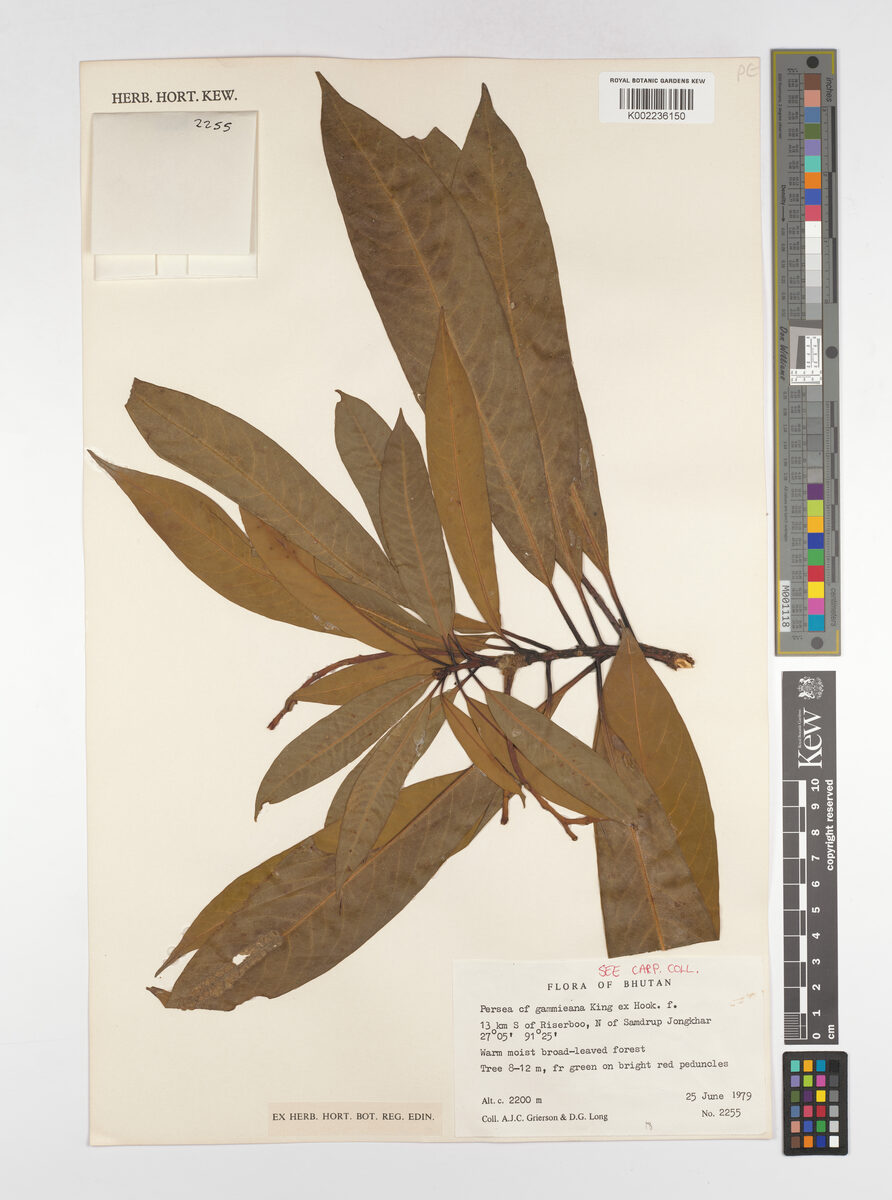
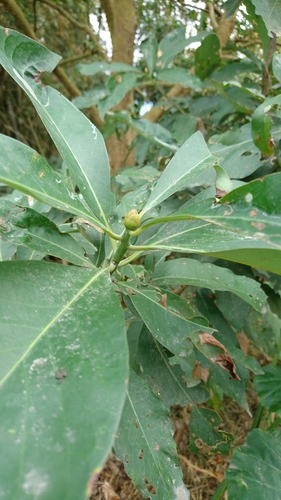
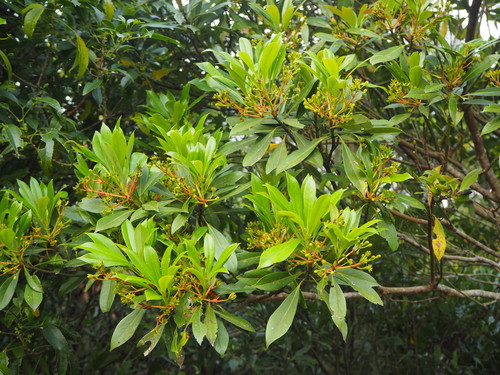
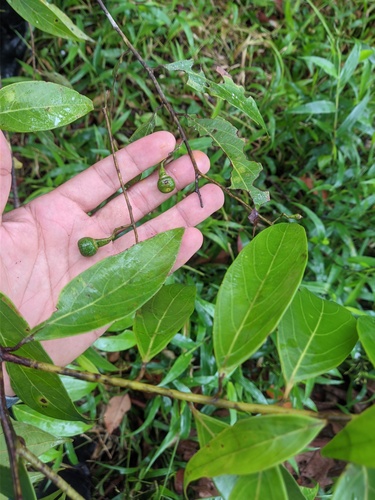
Cinnamomum mercadoi
S. Vidal
Kalingag
iNaturalist· cc-by
(c) Nielbert Raner, some rights reserved (CC BY), uploaded by Nielbert Raner
wikimedia· cc-by-sa
Wikimedia Commons - JDipterocarpus
Summary
Source: WikipediaCinnamomum mercadoi (kalingag) is a small tree, about 6 to 10 metres (20 to 33 ft) high, with a thick, aromatic bark. The plant part of the family Lauraceae, which contains about 45 genera and 2000-2500 species, and is related to the culinary cinnamon, sassafras, and bay tree. The plant is indigenous to the Philippines, where it grows best in forests at low and medium altitudes that sometimes ascend to 2,000 metres (6,600 ft). C. mercadoi is unusual in the cinnamon family in that its essential oil consists large amounts of safrol, whereas other oils of cinnamon contain cinnamaldehyde. It is currently listed in the International Union for Conservation of Nature (IUCN) Red List as "vulnerable" due to the overharvesting and the continuous loss of the Philippine forests.
Description
A small to large tree. The trunk can be 65 cm across. It is usually straight but not very tall. The leaves are opposite, smooth, leathery and pointed at both ends. They are distinctly 3 nerved and 8 to 20 cm long. The fruit are about 2 cm long and surrounded in the middle by a persistent calyx.
Edible Uses
The essential oil obtained from the bark has been recommended as a flavouring for root beers. It has a strong sassafras aroma. The bark is sometimes substituted for cinnamon and used as a condiment.
Traditional Uses
The bark is used as a spice. It has a sassafras odour and is also used in root beers.
This uses section is brief — help expand it
Medicinal Uses
There are several medicinal properties of C. mercadoi including its usage as a(n) diaphoretic, parasiticide, antispasmodic, aphrodisiac, analgesic, and diuretic. The bark of C. mercadoi has traditionally been used in medicine in the Philippines. In 1668, the Jesuit Ignatio Francisco Alzina reported that eating it aided digestion and since then, it has been employed to treat digestive troubles. It was also employed as a treatment for headaches and rheumatism and has been used as a rubefacient. Furthermore, the bark is used as a(n) carminative, stimulant, astringent, antiseptic, antifungal, and antiviral property. Finally, the decoction of the leaves is a remedy for flatulence and menstrual problems in women.
Distribution
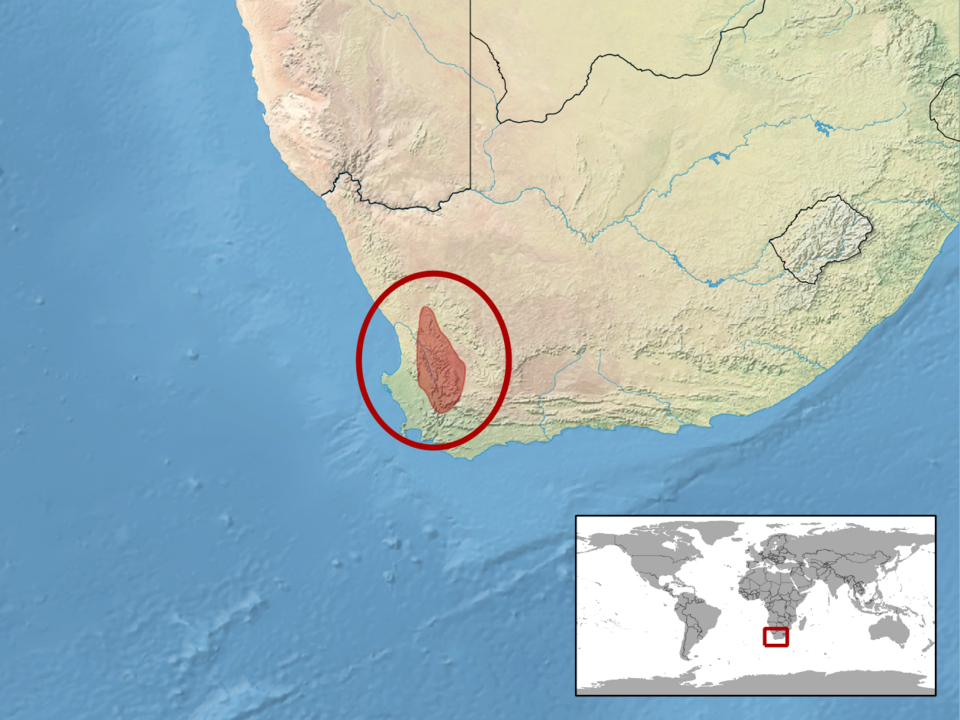
A tropical plant. Widely distributed and well known but rather scarce in the Philippines. Occur in forests at low and medium altitudes from Babuyan Islands and northern Luzon to Mindanao.
Where It Grows
Asia, Pacific, Philippines, SE Asia,
Cultivation
Succeeds in the moist lowland tropics. Species in this genus generally prefer an acidic soil with ample moisture in the growing season and a position with some shade. Species in this genus are generally able to resprout from basal wood if the top is damaged, and will soon recover from any damage.
Propagation
Seed - the seed of species in this genus generally has a short viability and is best sown as soon in containers as it is ripe. Remove the fruit pulp since this can inhibit germination. Soaking the seeds for 24 hours in lukewarm water hastens germination, which can take 1 - 6 months at 20°c. The germination rate of fresh seed is about 50%, falling to 25% for seed 6 months old, and zero for those 1 year old. Stored seed should be sown as soon as possible in containers. When they are large enough to handle, prick the seedlings out into individual pots and plant them out into their permanent positions when 10cm or more tall. Cuttings of semi-ripe side shoots, 7cm with a heel, in a frame with bottom heat.
Notes
There are about 250 Cinnamomum species.
References (5)
- Burkill, I.H., 1966, A Dictionary of the Economic Products of the Malay Peninsula. Ministry of Agriculture and Cooperatives, Kuala Lumpur, Malaysia. Vol 1 (A-H) p 559
- Monsalud, M.R., Tongacan, A.L., Lopez, F.R., & Lagrimas, M.Q., 1966, Edible Wild Plants in Philippine Forests. Philippine Journal of Science. p 484
- PROSEA handbook Volume 13 Spices. p 275
- Reis, S. V. and Lipp, F. L., 1982, New Plant Sources for Drugs and Foods from the New York Botanical Garden herbarium. Harvard. p 77
- World Checklist of Useful Plant Species 2020. Royal Botanic Gardens, Kew