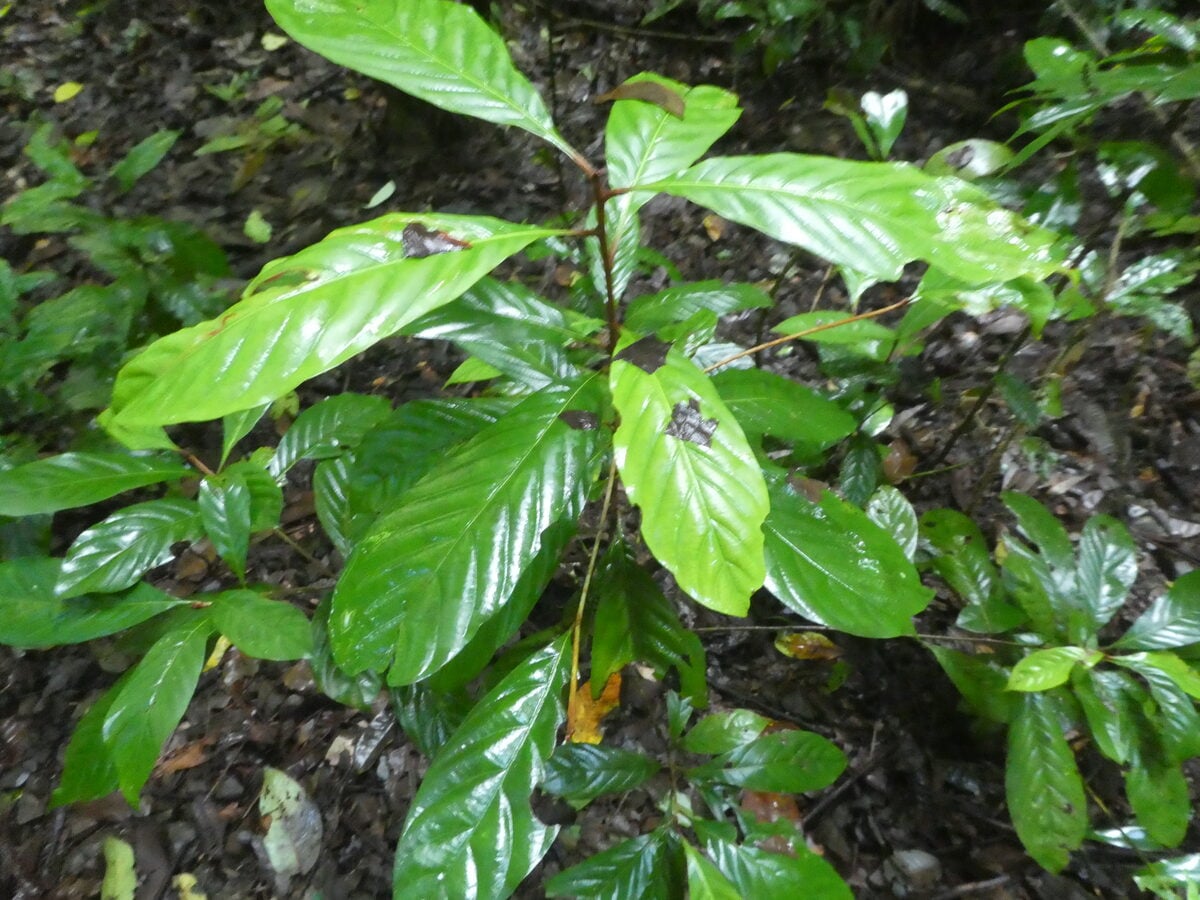
Cinnamomum micranthum
(Hayata) Hayata
Taiwan cinnamon
iNaturalist· cc-by-nc
(c) fernslu九妹, some rights reserved (CC BY-NC)
iNaturalist· cc0
no rights reserved
iNaturalist· cc0
no rights reserved
Description
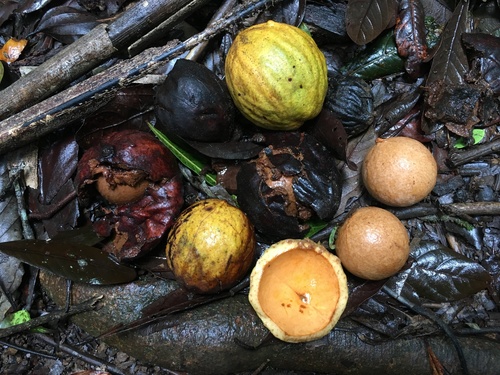
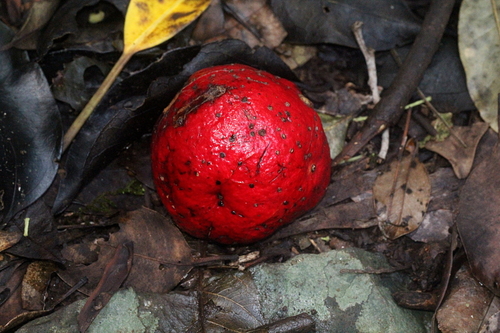
An evergreen tree. It grows 20 m tall. The bark is reddish brown and cracked. The leaves are alternate and narrowly oval. They are 8-10 cm long by 4-5 cm wide. They are wedge shaped at the base and taper to the tip. The leaf stalk is smooth and 2-3 cm long. The flowers are small and have both sexes. They are white or pale and hairy. They are in groups in the axils of leaves or at the ends of branches. These are 3-5 cm long. The fruit are oval and 15-22 mm long by 15-20 mm wide.
Edible Uses
The bark is used locally as a spice.
Traditional Uses
The bark is used locally as a spice.
This uses section is brief — help expand it
Medicinal Uses
All the following reports were for Cinnamomum kanehirae Hayata, a plant endemic to Taiwan which is now considered to be a form of Cinnamomum micranthum (as Cinnamomum micranthum f. kanehirae (Hayata) S.S.Ying). The plant is said to be beneficial to clear the lungs, dispel apathy, and calm nervous depression. Since it contains a rich amount of camphor oil, the essential oil is used in aromatherapy as well as for topical application to treat some dermatological diseases and promote general health. The essential oil has been reported to have antimicrobial activities. An ethanol extraxt of the leaves has been shown to have a cytotoxic effect upon cancer cells. This species is the major host for the medicinal fungus Antrodia cinnamomea, which exhibits potential anticancer and hepato-protective properties. The fungus is much used in traditional medicine to treat a range of conditions, and the tree is used both to harvest the fungus and also to cultivate it. A growing quantity of evidence shows that extracts, fermented products, or compounds isolated from the fungus possess growth inhibitory activity against various types of cancers.
Distribution
It is a tropical plant. It grows between 300-800 m above sea level.
Where It Grows
Asia, China, Indochina, SE Asia, Taiwan, Vietnam,
Cultivation
Cinnamomum micranthum is native from warm temperate to tropical regions of southern China and northern Vietnam. It is somewhat frost tolerant and is likely to succeed outdoors in milder areas of the temperate zone so long as summers are warm enough to fully ripe the current season's growth. Species in this genus generally prefer an acidic soil with ample moisture in the growing season and a position with some shade. Species in this genus are generally able to resprout from basal wood if the top is damaged, and will soon recover from any damage. Seeds are often either not produced or only produced in small quantities. This seems to be in large part because the tree self-pollinates and the female and the male sexual organs will often not mature at the same time, so fertilization is very low.
Propagation
Seed - it generally has a short viability and is best sown as soon in containers as it is ripe. Remove the fruit pulp since this can inhibit germination. Soaking the seeds for 24 hours in lukewarm water hastens germination, which can take 1 - 6 months at 20°c. The germination rate of fresh seed is about 50%, falling to 25% for seed 6 months old, and zero for those 1 year old. Stored seed should be sown as soon as possible in containers. When they are large enough to handle, prick the seedlings out into individual pots and plant them out into their permanent positions when 10cm or more tall. Seeds are often either not produced or only produced in small quantities. Cuttings of semi-ripe side shoots, 7cm with a heel, in a frame with bottom heat.
Other Uses
The trees are suitable for extracting aromatic oil which contains the important industrial material-safrole. The seeds are rich in oil. No uses are given. An excellent quality timber for ship- and furniture-making as it possesses the qualities of a pleasing fragrance, straight wood texture, and a uniform and exquisite structure.
Synonyms
References (2)
- Seidemann J., 2005, World Spice Plants. Economic Usage, Botany, Taxonomy. Springer. p 102
- www.efloras.org Flora of China Volume 7