Cinnamomum japonicum
Siebold
Japanese cinnamon
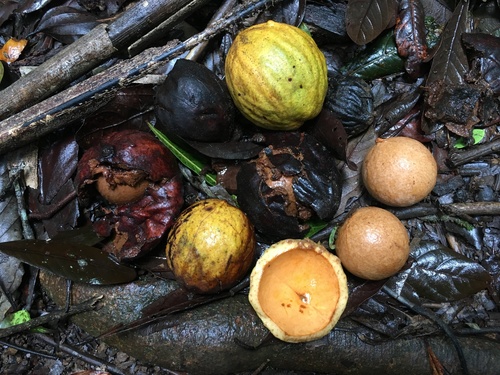
iNaturalist· cc-by-nc
(c) Keita Watanabe, some rights reserved (CC BY-NC)
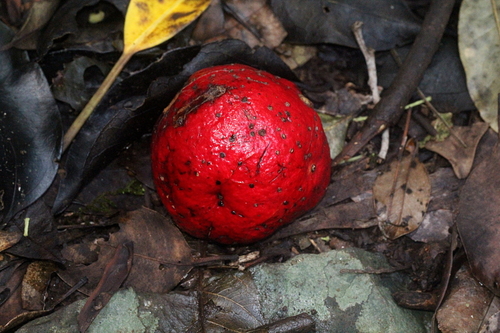
iNaturalist· cc-by-nc
(c) Keita Watanabe, some rights reserved (CC BY-NC)
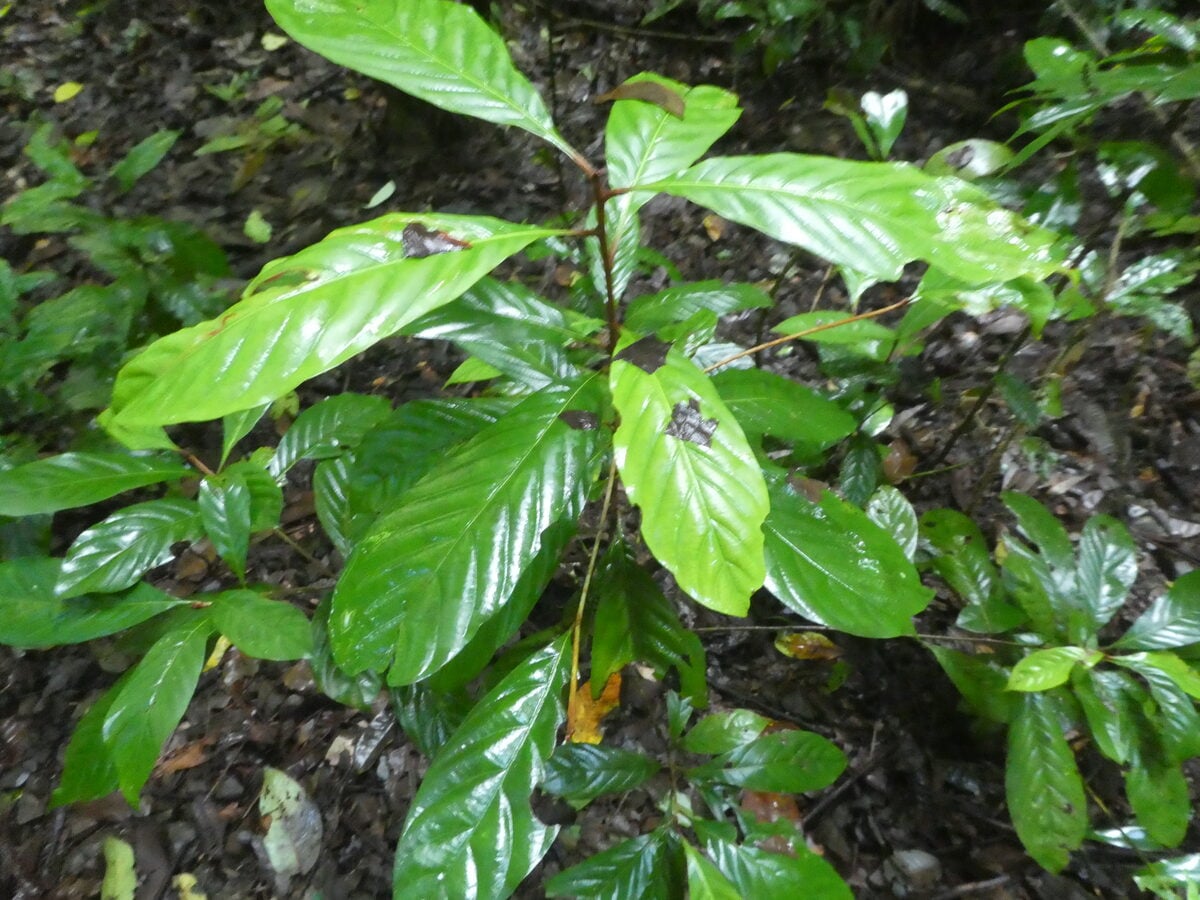
iNaturalist· cc-by-nc-sa
(c) Gregory Mihaich, some rights reserved (CC BY-NC-SA)
Description
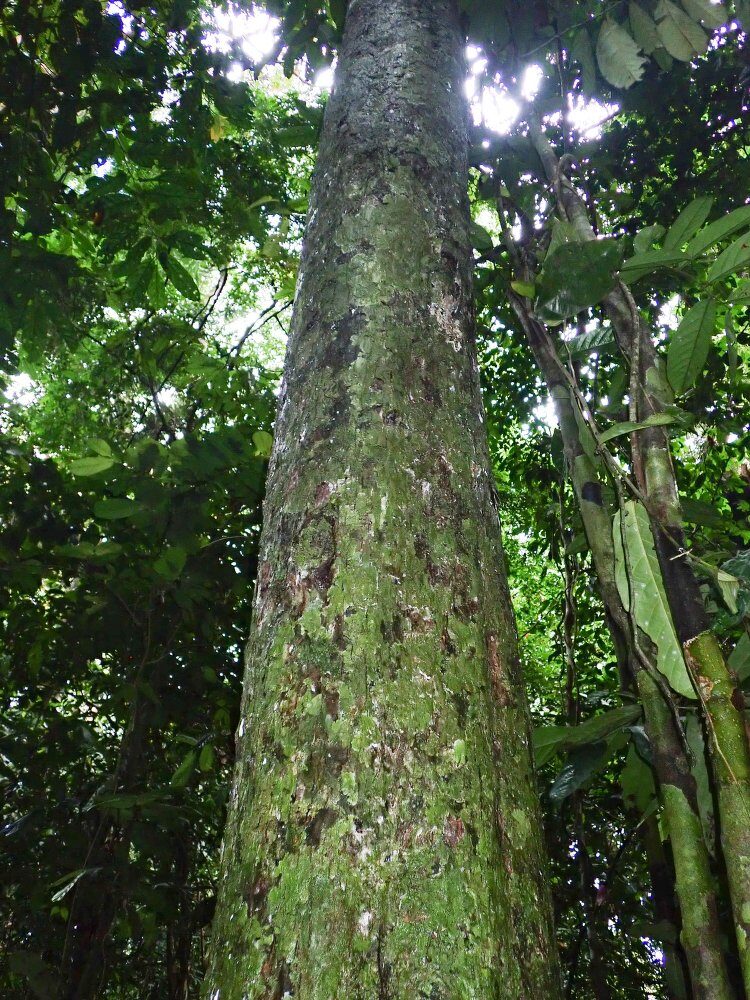
An evergreen tree. It grows 10-15 m tall. The branches are smooth and brown. The leaves are almost opposite. They are oval to sword shaped and 7-10 cm long by 3-4 cm wide. The base is wedge shaped. The flowers are small and have both sexes. They are hairy. They are in groups in the axils of leaves or at the ends of branches. The groups are 3-5 cm long. The fruit are oblong and 7 mm long by 5 mm wide.
Edible Uses
The timber is hard and durable, and is used for furniture and house construction. Volatile oil from the bark and leafy branchlets is used as perfume. Oil and fat from fruit kernels is used to make soap.
Traditional Uses
The bark is used as a substitute for cinnamon and cassia in flavouring foods. The fruit are used as a substitute for cacao beans. The seed oil is used for flavouring.
Distribution
It is a subtropical plant. It grows in forests at 1,000 m above sea level.
Where It Grows
Asia, China, Japan, Korea, Taiwan,
Notes
An illegitimate name. Different authorities Siebold and also as Siebold ex Nakai
Synonyms
Also Known As
Shan-kuei, Yabu-nikkei
References (4)
- Facciola, S., 1998, Cornucopia 2: a Source Book of Edible Plants. Kampong Publications, p 138
- Seidemann J., 2005, World Spice Plants. Economic Usage, Botany, Taxonomy. Springer. p 102
- Tanaka,
- Verh. Batav. Genootsch. Kunsten 12:23. 1830