Cinnamomum loureiroi
Nees
Vietnamese cassia, Baker's cinnamon
wikimedia· cc-by-sa
Wikimedia Commons - Phó Nháy
wikimedia· cc-by
Wikimedia Commons - Badagnani
wikimedia· cc-by
Wikimedia Commons - Sykes, Bill
Summary
Cinnamomum loureiroi is an evergreen tree reaching 18 m tall by 15 m wide at a moderate growth rate. It is hardy to UK zone 10 and thrives in light sandy, medium loamy, and heavy clay soils with good drainage. It tolerates mildly acid, neutral, and basic pH levels, as well as very acid and very alkaline soils. The tree grows in semi-shade or full sun and prefers consistently moist conditions.
Description
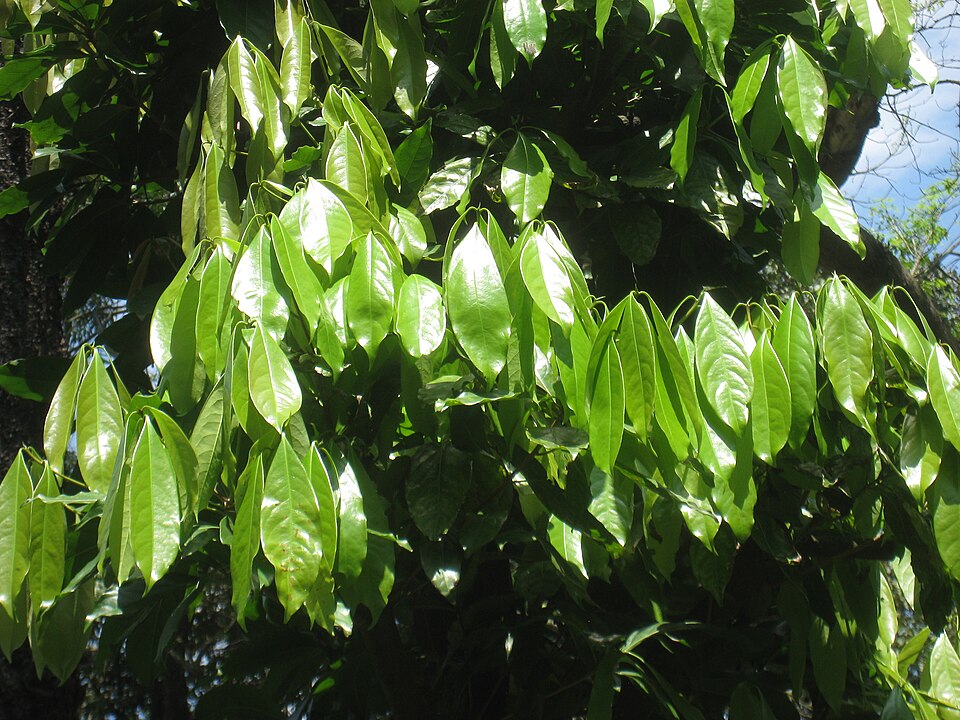
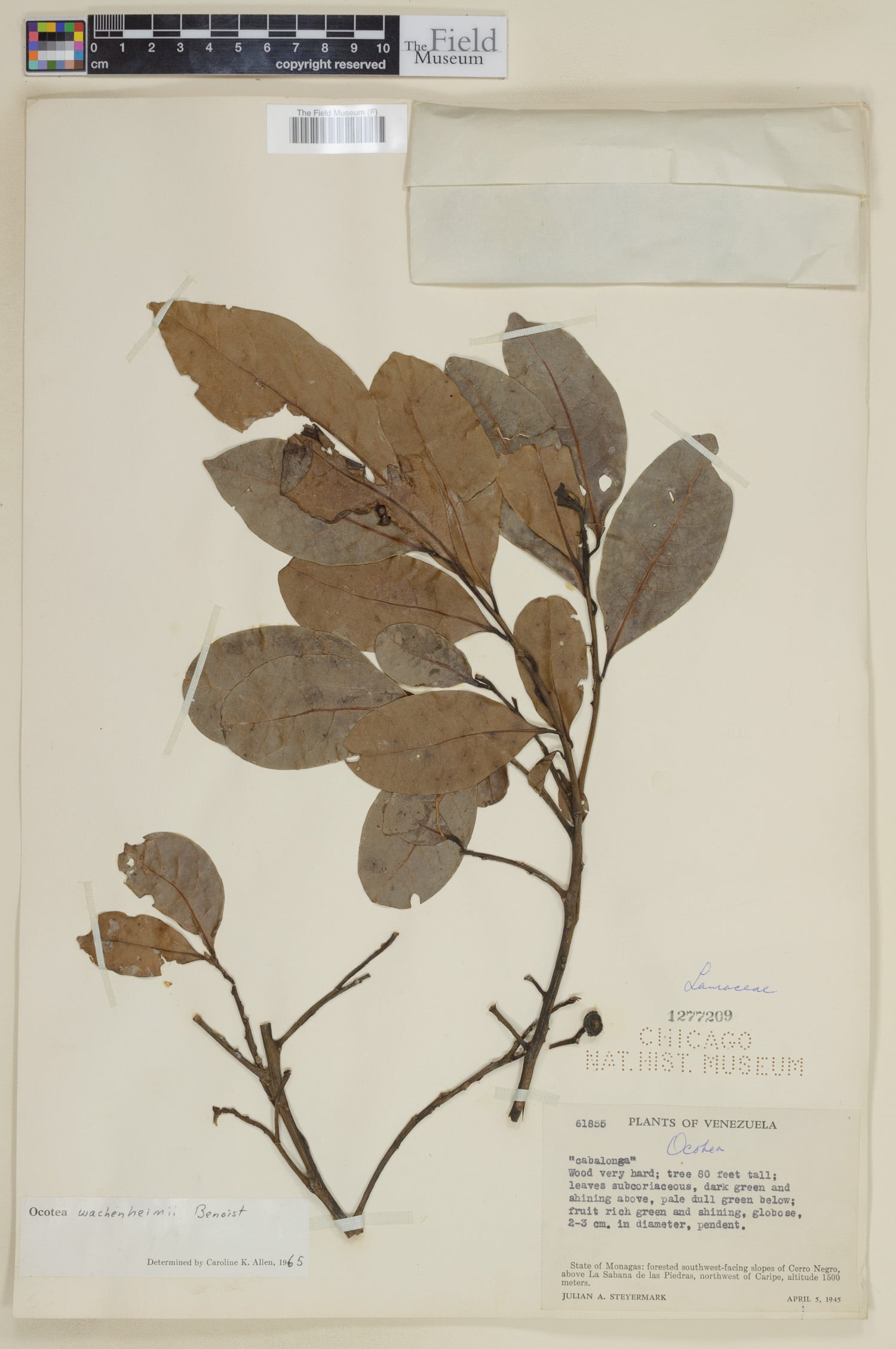
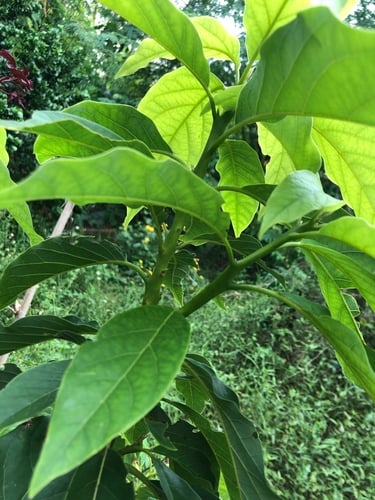
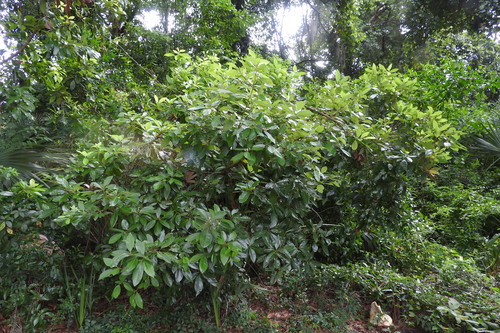
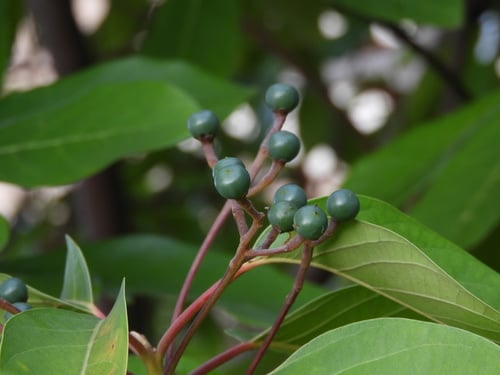
An evergreen tree. It grows up to 20 m tall. It spreads 5 m wide. The crown is rounded. The leaves are narrowly oval and 12.5 cm long. The flowers are greenish yellow. They are small and in short groups. The fruit are 1 cm long. They are black berries.
Edible Uses
The bark and an essential oil extracted from it are widely used as flavourings across a broad range of foods. Highly esteemed in China and Japan, this species is considered by many to be superior to the more widely used C. verum. The bark is sweeter than common cinnamon, used in baking, and made into a cordial. It is usually harvested from young branches: the bark is peeled from stems and branches and left to dry, during which it curls into quills. Colour ranges from light reddish-brown for thin, scraped bark to grey for thick, unscraped bark. The unripe fruits are dried and sold as cassia buds, used as food flavourings with a cinnamon-like aroma and a warm, sweet, pungent taste similar to that of cassia bark.
Traditional Uses
The bark is processed into a spice. It is used in baking and cooking. It is used to flavour cinnamon toast and apple pie. The unripe fruit are dried and sold as cassia buds.
Medicinal Uses
The dried bark is aromatic, astringent, carminative, stimulant, and stomachic, and is often used alongside other medicines. The bark contains around 2.5% essential oil, particularly rich in cinnamic acid. Saigon cinnamon has 1–5% essential oil content with 25% cinnamaldehyde in the essential oil — the highest of all cinnamon species.
Distribution
A tropical and subtropical plant. It is best in well-composted, moist, well-drained soils. It needs a protected sunny position. It is damaged by drought and frost.
Where It Grows
Asia, Australia, China, Indochina, Indonesia, Japan, Korea, SE Asia, Vietnam,
Cultivation
A plant of moist lowland areas in the tropics and subtropics, where it is found at elevations up to 1,000 metres. It grows best in areas where the mean annual temperature is 20 - 30°c, but tolerates 17 - 34°c. It prefers a mean annual rainfall of 2,500 - 3,000mm, tolerating 1,500 - 3,500mm. It grows in areas with all year rainfall and also with a distinct dry season. Prefers a fertile, sandy, moisture-retentive but freely draining soil in full sun or partial shade. Prefers a pH in the range 5 - 6.4, tolerating 4.5 - 8. Harvest of superior bark cannot usually take place until the trees are at least 10 - 12 years old.
Propagation
Seed — viability is short, so sow as soon as ripe in a greenhouse, removing fruit pulp first as it can inhibit germination. Germination takes 1–6 months at 20°C. Stored seed should be sown as soon as possible in containers. Prick seedlings into individual pots when large enough to handle and plant out when 10cm or more tall. Alternatively, take semi-ripe side shoot cuttings of 7cm with a heel in June or July, rooted in a frame with bottom heat.
Other Uses
The bark contains 1–7% essential oil. Other uses rating: Low (2/5).
Notes
There are about 250 Cinnamomum species.
Synonyms
Also Known As
Nikkei, Nhucque, Que thanh, Saigon cassia, Saigon cinnamon, Yukgyenamu
References (14)
- Bodkin, F., 1991, Encyclopedia Botanica. Cornstalk publishing, p 258
- Brouk, B., 1975, Plants Consumed by Man. Academic Press, London. p 293
- Brown, D., 2002, The Royal Horticultural Society encyclopedia of Herbs and their uses. DK Books. p 169
- Burkill, I.H., 1966, A Dictionary of the Economic Products of the Malay Peninsula. Ministry of Agriculture and Cooperatives, Kuala Lumpur, Malaysia. Vol 1 (A-H) p 559
- Facciola, S., 1998, Cornucopia 2: a Source Book of Edible Plants. Kampong Publications, p 138
Show all 14 references Hide references
- Hedrick, U.P., 1919, (Ed.), Sturtevant's edible plants of the world. p 193
- Hemphill, I, 2002, Spice Notes. Macmillan. p 133
- Hu, Shiu-ying, 2005, Food Plants of China. The Chinese University Press. p 399
- Kiple, K.F. & Ornelas, K.C., (eds), 2000, The Cambridge World History of Food. CUP p 1847
- Pham-Hoang Ho, 1999, An Illustrated Flora of Vietnam. Nha Xuat Ban Tre. p 344
- Seidemann J., 2005, World Spice Plants. Economic Usage, Botany, Taxonomy. Springer. p 102
- Song, M., et al, 2013, Traditional knowledge of wild edible plants in Jeju Island, Korea. Indian Journal of Traditional Knowledge. 12(2) pp 177-194
- Syst. Laurin. 65. 1836 "loureirii" - epithet correctable to "loureiroi" in accordance with ICBN Art. 60.7, Ex. 11
- Wiersema, J. H. & Leon, B., 2013, World Economic Plants. A Standard Reference CRC Press. 2nd Ed. p 176