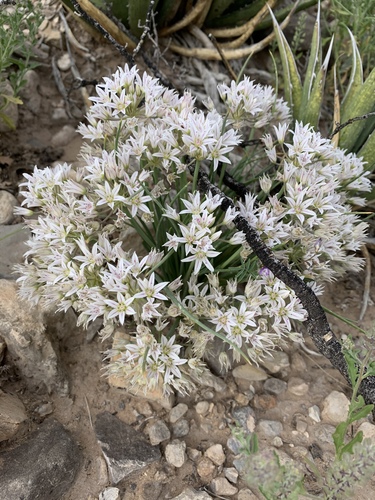
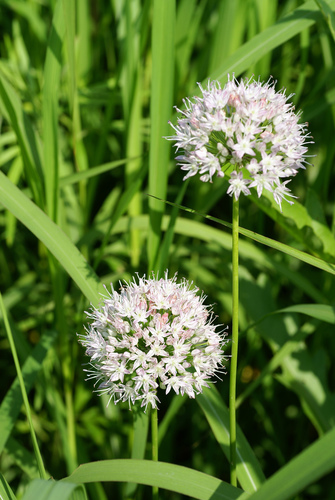
Allium cyaneum
Regel
Blue onion
iNaturalist· cc-by-nc
(c) Leoš Smutný a Antonín Horáček, some rights reserved (CC BY-NC), uploaded by Leoš Smutný a Antonín Horáček
iNaturalist· cc-by-nc
(c) aishah715, some rights reserved (CC BY-NC)
Summary
Source: WikipediaAllium cyaneum, dark blue garlic, is a Chinese (天蓝韭, tian lan jiu, meaning "sky blue chive") species of onion. It prefers to grow at elevations from 2,100 to 5,000 m (6,900 to 16,400 ft) on slopes and meadows, and forest edges. It occurs in Gansu, Hubei, Ningxia, Qinghai, Shaanxi, Sichuan and Xizang (Tibet) provinces of China, and possibly in Korea. Its leaves and scapes are edible and are occasionally consumed by local peoples as a spice after drying. It has gained the Royal Horticultural Society's Award of Garden Merit, and is also considered by them as a good plant to attract pollinators.
Description
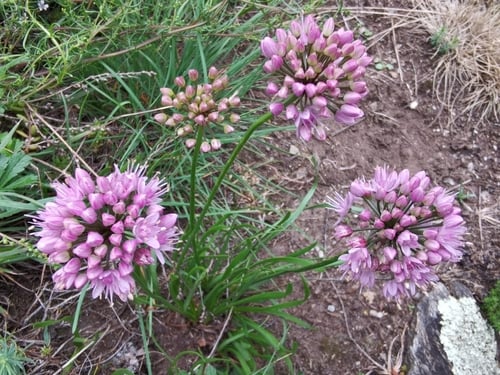
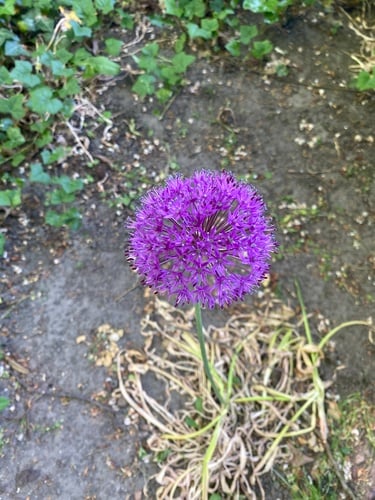
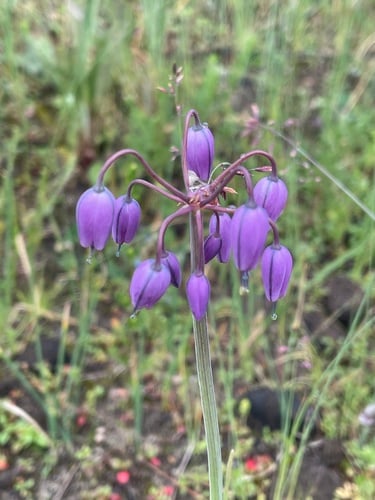
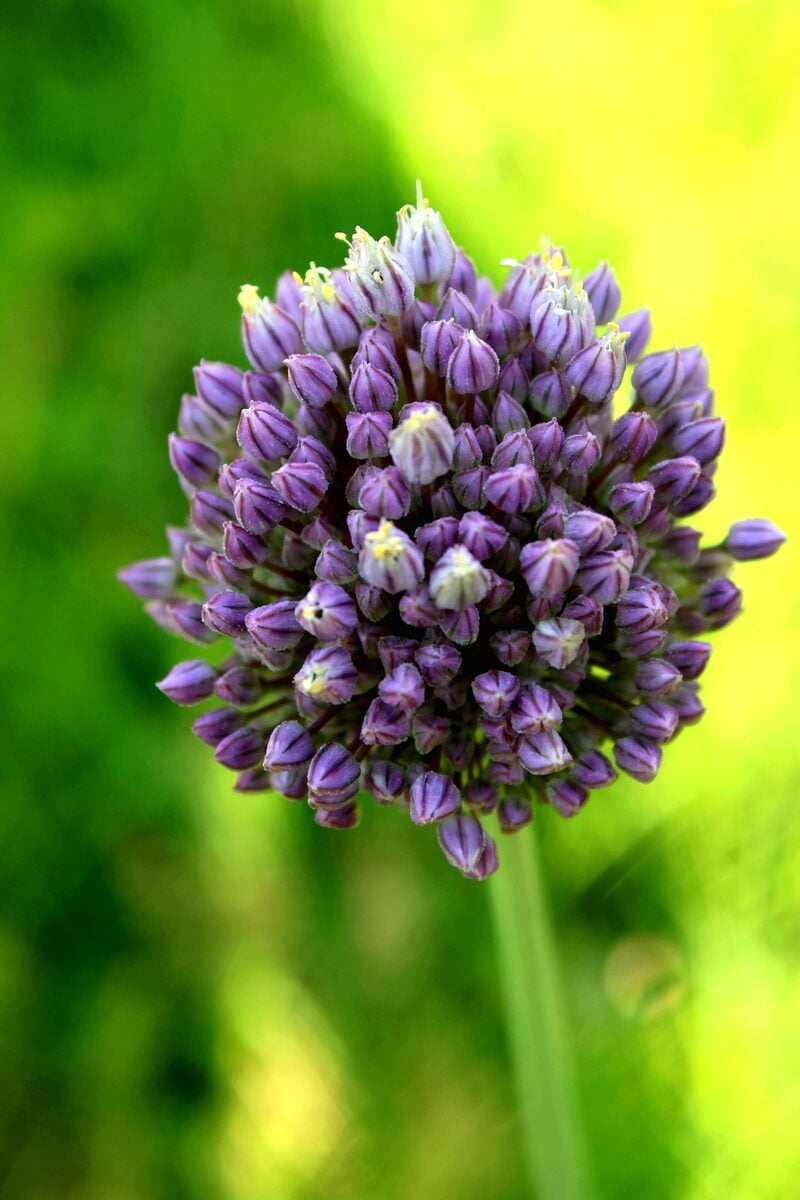
An onion family plant. A bulb plant which forms clumps. It grows 30 cm high. It keeps growing from year to year. The leaves are grass like and very narrow. They are 2 mm wide. The flowers occur in clusters. There are 10-12 purple or blue flowers in a nodding head.
Edible Uses
The bulb is used as a spice or flavoring and can be dried for later use.
Traditional Uses
It is used as a spice or flavouring. It is dried for later use.
This uses section is brief — help expand it
Distribution
It is a temperate plant. It grows on the edges of forests and in meadows between 2,100-5,000 m above sea level in China. It suits hardiness zones 5-9. In Sichuan.
Where It Grows
Asia, Australia, China*, Himalayas, Korea, Slovenia, Tibet,
Other Information
It is highly valued.
Notes
There are about 300-700 Allium species. Most species of Allium are edible (Flora of China). All alliums are edible but they may not all be worth eating! They have also been put in the family Alliaceae.
Synonyms
Also Known As
Temnomodri luk
References (7)
- "Chinese Nutrition Journal", 2002, Vol 23(8) p 298
- Cundall, P., (ed.), 2004, Gardening Australia: flora: the gardener's bible. ABC Books. p 126
- Heywood, V.H., Brummitt, R.K., Culham, A., and Seberg, O. 2007, Flowering Plant Families of the World. Royal Botanical Gardens, Kew. p 340
- Kang, J. et al, 2016, Wild food plants and fungi used in the mycophilous Tibetan community of Zhagana (Tewo Country, Gansu, China) Journal of Ethnobiology and Ethnomedicine. 12:21
- Lamberton, K (Ed.), 2004, The Australian gardening encyclodepia. Murdoch Books, NSW Australia. p 157
Show all 7 references Hide references
- Ryan, S., 2008, Dicksonia. Rare Plants Manual. Hyland House. p 120
- Trudy Imp. S.-Peterburgsk. Bot. Sada 3:174. 1875