Gynura divaricata
(L.) DC
Chinese groundsel
iNaturalist· cc-by-sa
(c) Shih-Shiuan Kao, some rights reserved (CC BY-SA)
iNaturalist· cc-by-nc
(c) Young Chan, some rights reserved (CC BY-NC)
iNaturalist· cc0
no rights reserved, uploaded by 葉子
Description
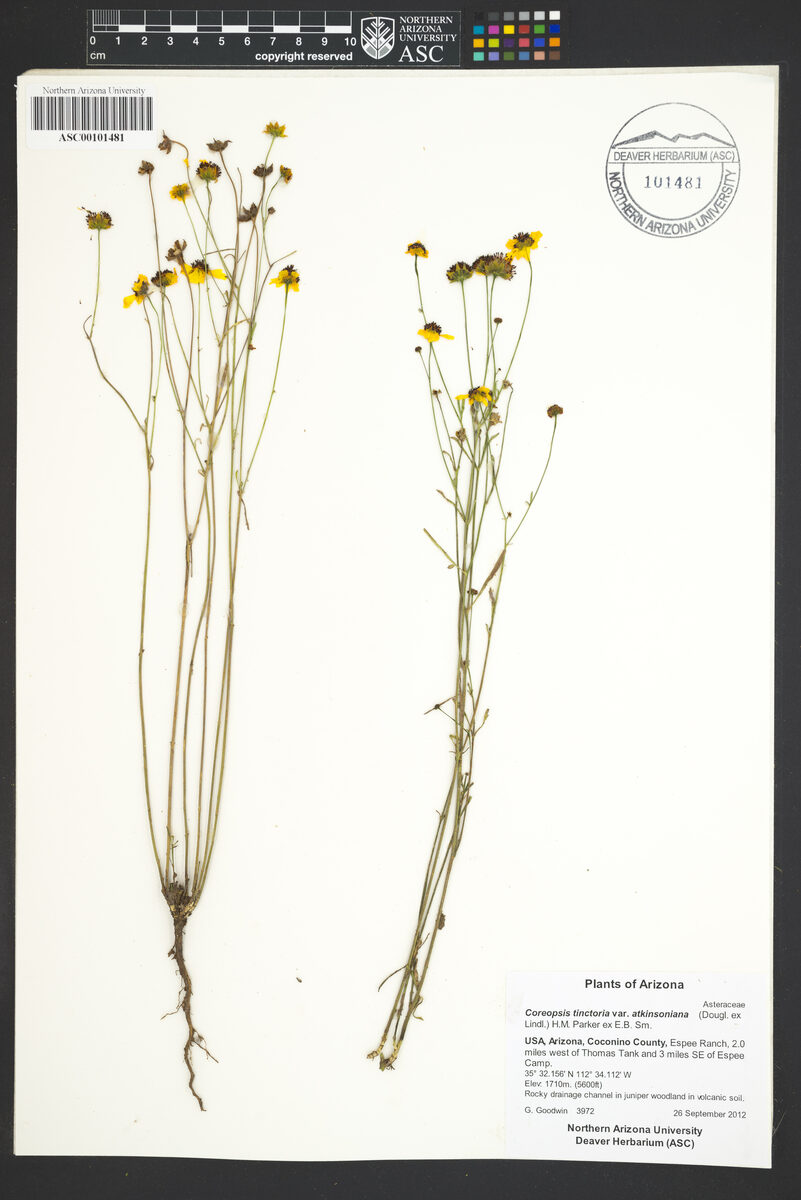
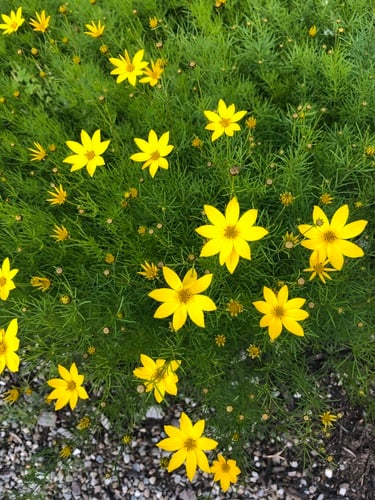
A succulent herb. It has robust rootstocks. The primary stems emerge from the rootstock and are 0.5-1.5 m tall. They are 5-10 mm across. They end in a cluster of flower heads. In the next season secondary branches emerge that are shorter and thinner and have leafy portions 5-30 cm long by 3-5 mm wide. The flowers are bright golden yellow.
Edible Uses
The leafy shoots are boiled with brown sugar and poached eggs added.
Traditional Uses
The leafy shoots are boiled with brown sugar and poached eggs added.
This uses section is brief — help expand it
Distribution
It is a subtropical plant. It grows on open hillsides often in rocky areas. It occurs on cliffs close to the seashore. Because of the buried rootstock it is fire resistant. In southern China it grows in wet places and amongst rocks near the seaside from sea level to 2,800 m above sea level. In Sichuan and Yunnan.
Where It Grows
Asia, China, SE Asia, Vietnam,
Notes
There are about 100 Gynura species. They are mostly in the tropics. This one helps against diabetes.
Also Known As
Pa bong bang
References (4)
- Cao, Y., et al, 2020, Ethnobotanical study on wild edible plants used by three trans-boundary ethnic groups in Jiangcheng County, Pu’er, Southwest China. Journal of Ethnobiology and Ethnomedicine (2020) 16:66
- "Chinese Nutrition Journal", 2002, Vol 23(11) p 121
- Hu, Shiu-ying, 2005, Food Plants of China. The Chinese University Press. p 733
- Kaewnarin, K., et al, 2014, Antioxidant and Antiglycation Activities of Some Edible and Medicinal Plants. Chiang Mai J. Sci. 2014; 41(1) : 105-116