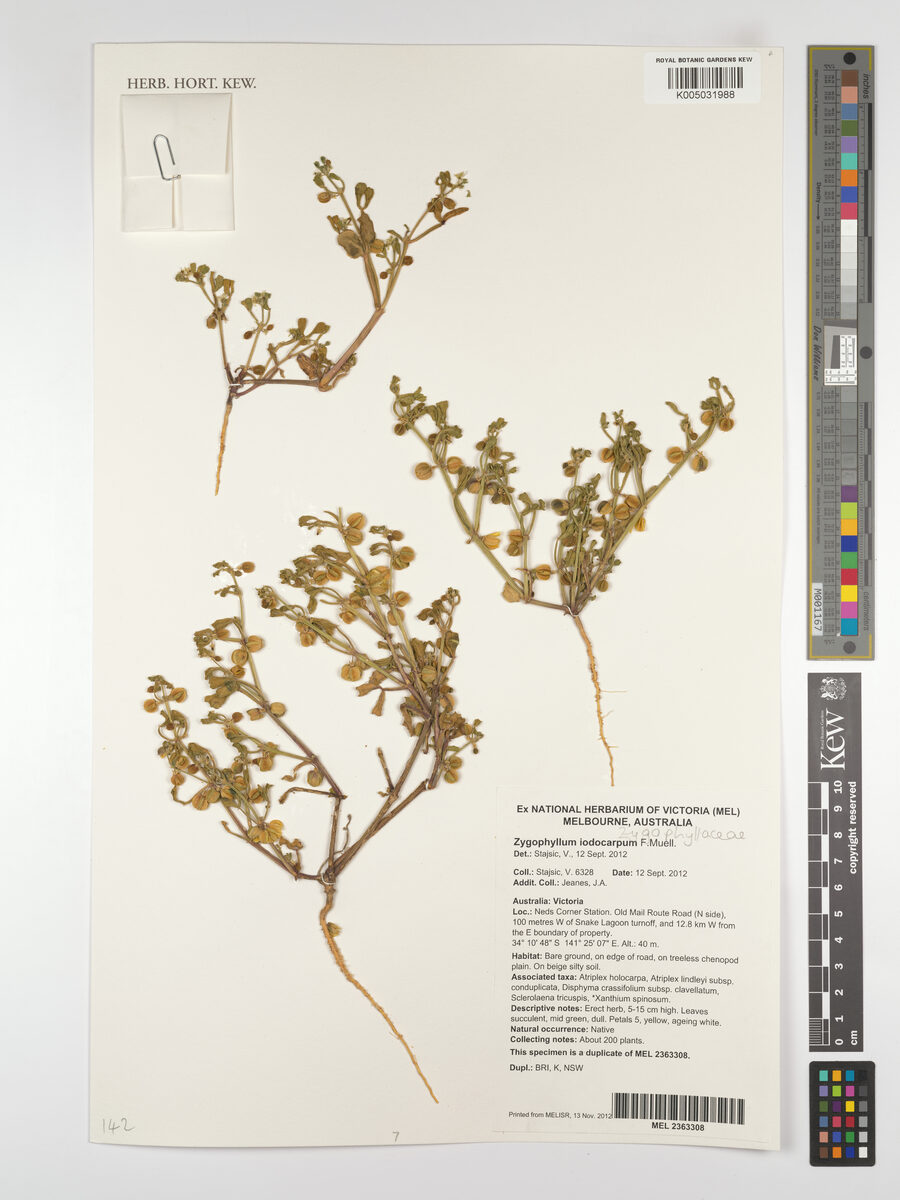
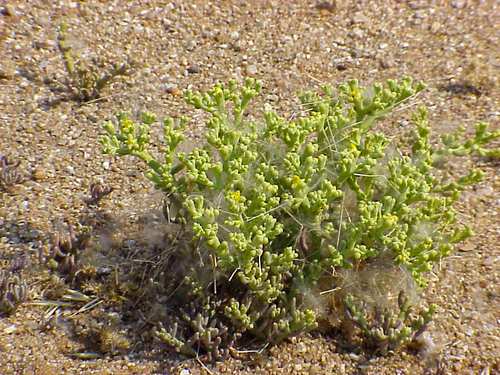
Balanites aegyptiaca
(L.) Delile
Desert date, Soapberry tree
iNaturalist· cc-by-nc
(c) Miguel A. Casado, some rights reserved (CC BY-NC), uploaded by Miguel A. Casado
iNaturalist· cc-by-nc
(c) Mohamed SAOUPKAI, some rights reserved (CC BY-NC), uploaded by Mohamed SAOUPKAI
iNaturalist· cc-by-nc
(c) Dr Anh Galat-Luong, some rights reserved (CC BY-NC), uploaded by Dr Anh Galat-Luong
Summary
Source: WikipediaBalanites aegyptiaca (also known as the Desert date, Egyptian balsam and Lalob in Sudan) is a species of tree, classified as a member of either the Zygophyllaceae or the Balanitaceae. This tree is native to much of Africa (excluding South Africa, Namibia, Madagascar, Senegal and Tunisia) and parts of the Middle East (from Syria south to Yemen). It can be found in many kinds of habitat, tolerating a wide variety of soil types, from sand to heavy clay, and climatic moisture levels, from arid to subhumid. It is relatively tolerant of flooding, livestock activity, and wildfire. It is an important food tree, with edible leaves and fruits, and has countless local uses. The generic part of the binomial Balanites derives from the Greek word for an acorn and refers to the fruit. This name was coined by Alire Delile in 1813. In Descr. Egypte, Hist. Nat. 221 1813, the specific name aegyptiaca was applied by Carl Linnaeus as the species was initially described from specimens collected in Egypt. The orthographic variant name that complies with ICBN Art 62.4 for this species is Balanites aegyptiacus.
Description
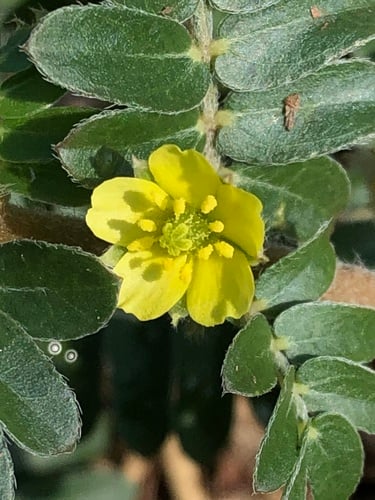
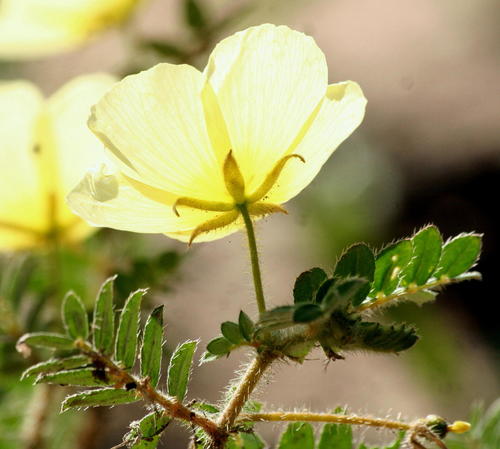
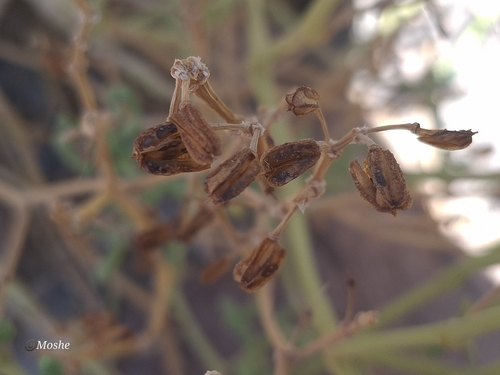
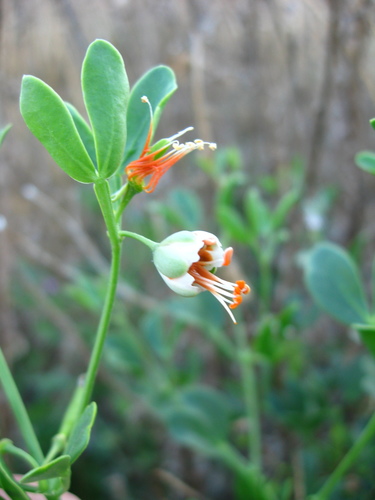
A small evergreen tree. It grows up to 6-15 m high. It is spiny. It produces a rounded crown of tangled thorny branches. The bark is dark brown or grey and has patterns on it. It becomes corky and cracked with age. The branches are stiff and brittle. The branches have stout spines. They are single and 8 cm long. The thorns are soft at first then become woody. The leaves occur as distinctive pairs of grey-green leaflets. The leaves are 2.5-6 cm long by 1.5-4 cm wide. The leaves are slightly different shape in each half. They are leathery and slightly hairy. There are 4-6 prominent veins which are clearly seen on the under side of the leaf. The flowers are in clusters, small and hairy. They are 1.4 cm across. They are yellow-green and have a sweet smell. The fruit is yellowish-green and 5 cm long by 2.5 cm wide. The fruit are date like. Both ends of the fruit are rounded. There is a hard pointy seed about 4 cm long by 2 cm wide. The flesh around the seed is yellow and bittersweet. The seed is easily separated from the flesh.
Edible Uses
Edible Parts: Flowers Fruit Leaves Oil Seed Shoots Stem Edible Uses: Drink Oil The fleshy pulp of both unripe and ripe fruit is edible and can be eaten dried or fresh. It has a slightly astringent taste and can be purgative in larger quantities. The fruit is processed into a drink and sweetmeats in Ghana, an alcoholic liquor in Nigeria, a soup ingredient in Sudan. The ellipsoid fruit is up to 4cm long. Brown or pale brown when fully ripe, with a brittle coat enclosing a brown or brown-green sticky pulp and a hard stone seed. Young leaves and tender shoots are used as a vegetable. They are prepared by boiling and pounding, and are then fried or mixed with fat. The flowers are a supplementary food in West Africa and a flavouring in Nigeria. They are sucked in order to obtain their nectar. A greenish-yellow to orange-red resin is produced from the stems. It is sucked and chewed when fresh. The kernels produce an edible oil used for cooking. The oil remains stable when heated and has a high smoking point, and therefore its free fatty acid content is low. Its scent and taste are acceptable. The seed contains up to 50% oil.
Traditional Uses
The nut or seed is used to make meal. The seeds are boiled in several changes of water then eaten with sorghum. A yellow oil is produced by the seeds after long boiling and is eaten. The fruit and dried pulp are eaten. The fruit is bitter unless very ripe. The fruit are used for syrup and alcoholic drinks. Caution: Alcohol is a cause of cancer. The leaves and flowers are eaten as a vegetable. The resin from the cut bark is chewed.
Medicinal Uses
Antiasthmatic Antidiarrhoeal Antiperiodic Dysentery Emetic Epilepsy Febrifuge Malaria Purgative Stomachic Vermifuge It is traditionally used in treatment of various ailments including jaundice, intestinal worm infection, wounds, malaria, syphilis, epilepsy, dysentery, constipation, diarrhea, hemorrhoid, stomach aches, asthma, and fever. It contains protein, lipid, carbohydrate, alkaloid, saponin, flavonoid, and organic acid. The roots are purgative and vermifuge. A decoction of the root is used to treat malaria. The roots are boiled in a soup to be used in the treatment of oedema and stomach pains. They are also used as an emetic. The bark is purgative and vermifuge. An infusion of the bark is used to treat heartburn. The bark is used to deworm cattle in Rajasthan. Wood gum, mixed with maize meal porridge, is used to treat chest pains. The plant is a potential source of steroidal sapogenins (diosgenin) for the hemisynthesis of corticosteroids.
Known Hazards
The plant contains saponins. Although poisonous, saponins are poorly absorbed by the human body and so most pass through without harm. Saponins are quite bitter and can be found in many common foods such as some beans. They can be removed by carefully leaching in running water. Thorough cooking, and perhaps changing the cooking water once, will also normally remove most of them. However, it is not advisable to eat large quantities of food that contain saponins. Saponins are much more toxic to some creatures, such as fish, and hunting tribes have traditionally put large quantities of them in streams, lakes etc in order to stupefy or kill the fish.
Distribution
A tropical plant. It is found all over Africa. It grows in the lowlands. It occurs from arid to sub-humid areas. It suits hot dry areas. It grows in the Sahel. It grows from sea level to 2,000 m altitude. It prefers valley soils but will grow on a range of soils. It suits a rainfall of 200-800 mm. It can grow in arid places. It needs a mean average temperature of 20-30°C. It grows in Miombo woodland in Africa. It has moderate salt tolerance.
Where It Grows
Africa, Algeria, Angola, Arabia, Asia, Benin, Botswana, Burkina Faso, Burundi, Cameroon, Cape Verde, Central Africa, Chad, Congo, Côte d'Ivoire, Cuba, Djibouti, Dominican Republic, East Africa, Egypt, Eritrea, Ethiopia, Gambia, Ghana, Guinea, Guinée, Guinea-Bissau, India, Israel, Ivory Coast, Jordan, Kenya, Libya, Malawi, Mauritania, Mediterranean, Middle East, Morocco, Myanmar, Namibia, Netherlands Antilles, Niger, Nigeria, North Africa, Pakistan, Palestine, Puerto Rico, Rwanda, Sahara, Sahel, Saudi Arabia, SE Asia, Senegal, Somalia, South Africa, Southern Africa, South Sudan, Sudan, Tanzania, Togo, Uganda, United Arab Emirates, UAE, West Africa, West Indies, Yemen, Zambia, Zimbabwe,
Cultivation
It is grown from seed. Seed can be grown in a nursery in pots, or direct. Root suckers can also be used. There are 600-1,200 seed per kg. Seed removed from the fruit can be stored for a year. Seed should be down vertically with the stem end down for best results. Seeds germinate in 1-4 weeks. Soaking the seed helps them germinate. They can be soaked in cold water for 2 days with the water being changed after 24 hours. Seedlings are slow growing but root suckers are faster.
Propagation
Seeds may be collected from fruit that is being processed for other purposes, from dung, and directly from the trees. Soaking in water for some hours and then stirring vigorously separates the stones from the pulp. Seed germination can be improved by immersing the seeds in boiling water for 7 - 10 minutes then cooling then slowly. The effect that passage through an animal’s intestinal tract has on germination is unclear. However, seeds are said to germinate readily, although with some difference associated with date of collection. Seed storage behaviour is orthodox; viability can be maintained for 2 years in air-dry storage at cool temperatures or for several years in hermetic storage at 3°c with 6 - 10% mc. Root suckers. Produced abundantly.
Other Uses
Adhesive Beads Biomass Charcoal Fencing Fibre Fodder Fuel Hedge Oil Resin Shelterbelt Soap making Wood Agroforestry Uses: The usually evergreen behaviour potentially makes this plant an attractive element to introduce into shelterbelts, although because of its slow growth, it is not suitable as a principal species. Its thorny habit makes this tree a useful plant for fencing and hedging. Other Uses An oil obtained from the seed has been recommended for the manufacture of soap. A strong fibre is obtained from the bark. A greenish-yellow to orange-red resin is produced from the stems. It is used as a glue for sticking feathers onto arrow shafts and spearheads and in the repair of handle cracks and arrows. The fruit and bark contain saponins. An emulsion made from them is lethal to the freshwater snails that are the host of miracidia and cercaria stages of bilharzia and to a water flea that acts as a host to the guinea worm. The seeds are used for rosary beads and necklaces. The pale yellow or yellowish-brown wood is fine-grained, compact, hard, durable and easily worked. The heartwood and sapwood are not clearly differentiated. It shows no serious seasoning defects and no tendency towards surface checking or splitting. The wood saws cleanly and easily, planes without difficulty to a smooth finish and is easy to chisel. It glues firmly and takes a clear varnish. The timber has traditionally been a minor product, it is made into yokes, wooden spoons, pestles, mortars, handles, stools and combs. The usually small log size and the prevalence of stem fluting makes sawmill processing difficult. The wood is good firewood; it produces considerable heat and very little smoke, making it particularly suitable for indoor use. It produces high-quality charcoal, and it has been suggested that the nutshell is suitable for industrial activated charcoal. The calorific value is estimated at 4600 kcal/kg. Special Uses Carbon Farming Coppice Food Forest Hedge
Production
(The fruit can be used to treat water supplies to kill the snail hosts of Bilharzia, and the water-flea which carries Guinea worm disease.) Trees produce after 5-8 years. Fruit mature in 60 days. In Tanzania fruit are collected between April and June. A good tree can produce 10,000 fruit in one year. Ripe fruit can be sun dried and stored. Seed kernels can be 60% oil.
Other Information
The fruit are eaten especially by children. It is an important food in desert areas. Fruit tend to be available in the drier more hungry season. Fruit are sold in local markets. It is cultivated.
Notes
There are 9 Balanites species. They are also put in the family Balanitaceae. Chemical composition (Sudan sample, edible portion [after Henry & Grindley]): Protein = 3.3%. Fat = 0.1%. Carbohydrate = 52.7%. Fibre (crude) = 2.1%. Ash = 4.0%. Ca0 = 0.08%. P2O5 = 0.10%. Moisture = 37.8%. Kcal = 231; (kernels): Protein = 27.5%. Fat = 46.5%. Carbohydrate = 11.1%. Fibre (crude) = 1.5%. Ash = 2.9%. CaO = 0.16%. P2O5 = 1.00%. Moisture = 10.5%. Kcal = 591; (oil): Specific gravity at 100 C . = .88919. Saponification value = 186.5. Iodine absorption = 99.2. Melting point about = 8o C. Chemical composition (Sudan after Abdelmuti): Protein (crude) = 5.1% (dry). Fat = 0.4% (dry). Ash (insoluble) = 21.2% (dry). Fibre (crude) = 2.8% (dry). Carbohydrate (soluble): Starch = 30.1% (dry). Sugars: Sucrose = 5.8% (dry). D-glucose = 20.6% (dry). D-fructose = 10.1%. Amino acids (g [16g N]-1): Aspartic acid = 5.1g. Threonine = 2.5g. Serine = 2.0g. Glutamic acid = 6.3g. Proline = 35.8g. Glycine = 3.3g. Alanine = 3.5g. Valine = 2.7g. Cysteine = 1.0g. Methionine = 1.0g. Isoleucine = 2.7g. Leucine = 4.1g. Tyrosine = 2.2g. Phenylalanine = 2.7g. Lysine = 1.6g. Histidine = 1.2g. Arginine = 2.4g. Sulphur = 0.10% (dry). Potassium = 0.04% (dry). Magnesium = 0.10% (dry). Calcium = 0.12% (dry). Na = 0.02% (dry). Zinc = 10 mg/kg-1 (dry). Iron = 620 mg/kg-1 (dry). Manganese = 3 mg/kg-1 (dry). Copper = 2 mg/kg-1 (dry).
Nutrition
| Part | Moisture | kJ | kcal | Protein | Vit A | Vit C | Iron | Zinc |
|---|---|---|---|---|---|---|---|---|
| Nuts dried | 5 | 2286 | 547 | 23 | — | — | 7 | — |
| Fruit dried | 19 | 1150 | 275 | 5 | — | — | 3.1 | — |
| Fruit | 64 | 510 | 122 | 2.2 | — | — | — | — |
| Leaves | 63.5 | 249 | 60 | 10.5 | — | — | 4.9 | 0.4 |
| Flowers | — | — | — | — | — | — | — | — |
Synonyms
Also Known As
Ader, Adogor, Aduwa, Ala'ito, Angalda, Apam, Arraronyit, Baddan, Baddanii, Baddana lu'oo, Baddanno, Bangbaalu, Bedena, Bedeno, Betu, Bito, Bizo, Cheure, Domaye, Domoko, Donkey, Dyemo, Ecomai, Egyptian myrobalan, Ekorete, Eroronyit, Ganyamda, Gari, Ghossa, Goot, Hangala, Hangalta, Hankalta, Hawi, Heglig, Heglieg, Hidjihi, Hidjilit, Hingan, Hinganabet, Hingot, Hingota, Hingua, Ilokua, Ingudi, Kasalusalu, Keglga, Kielege, Kielega, Kilului, Kiluluwi, Kiti, Korak, Kowerou, Kudekuda, Kulan, Kullen, Kuri, Kyeguelga, Lalo, Lalob, Laloub, Logwat, Logwat, Lubwoti, Lugba, Lungoswa, Maghe, Mduguya, Mfwankomo, Mjirya, Mjunju, Mklete, Mkonga, Mkumudwe, Mng'onga, Mnyra, Model, Modha, Mohoromo, Msalu, Mubobua, Mulugunyu, Mulului, Muongo, Muporicoetimu Murtoki, Musongole, Muvambangoma, Mwambangoma, Nanjunda, Njienjia, Nulu, Nyahoko, Nyunguyu, Odhto, Ol-ngoswa, Olg'oswa, Olngoswa, Othoo, Pulupulu, Qota, Quud, Regorea, Sabatit, Sadhto, Sapatit, Segene, Seguene, Shifaraoul, Simple thorned torchwood, Single green-thorn, Sow, Sump, Sumpo, Taichot, Tanne, Tborag, Tebekame, Teboraq, Teboragh, Thau higlig, Thoa, Thoo, Thorn tree, Thou, Tira, Toin, Too, Torchwood, Tow, Tunywo, Tuyun, Tuyunwo, Udayito, Udayto, Umgobandlovu, UmHulu, Zachun-oil tree, Zegene, Zekene
References (137)
- Abbiw, D.K., 1990, Useful Plants of Ghana. West African uses of wild and cultivated plants. Intermediate Technology Publications and the Royal Botanic Gardens, Kew. p 41
- ABDELMUTI,
- Addis, G., et al, 2005, Ethnobotanical Study of Edible Wild Plants in Some Selected Districts of Ethiopia. Human Ecology, Vol. 33, No. 1, pp. 83-118
- Addis, G., Asfaw, Z & Woldu, Z., 2013, Ethnobotany of Wild and Semi-wild Edible Plants of Konso Ethnic Community, South Ethiopia. Ethnobotany Research and Applications. 11:121-141
- Addis, G., et al, 2013, The Role of Wild and Semi-wild Edible Plants in Household Food Sovereignty in Hamer and Konso Communities, South Ethiopia. Ethnobotany Research & Applications. 11:251-271
Show all 137 references Hide references
- Allen, D. J., 2007, Wildflowers and Common Trees of East Africa. Camerapix Publishers p 44
- Anywar, G., et al, 2014, Wild Plants Used as Nutraceuticals from Nebbi District, Uganda. European Journal of medicinal Plants. 4(6):641-660
- Asfaw, Z. and Tadesse, M., 2001, Prospects for Sustainable Use and Development of Wild Food Plants in Ethiopia. Economic Botany, Vol. 55, No. 1, pp. 47-62
- Ashagre, M., et al, 2016, Ethnobotanical study of wild edible plants in Burji District, Segan Area Zone of Southern Nations, Nationalities and Peoples Region (SNNPR), Ethiopia. Journal of Ethnobiology and Ethnomedicine (2016) 12:32
- Assefa, A. & Abebe, T., 2010, Wild Edible Trees and Shrubs in the Semi-arid Lowlands of Southern Ethiopia. Journal of Science and Development 1 (1) 2010
- Assogbadjo, A. E. et al, 2013, Specific Richness and Cultural Importance of Wild Edible Trees in Benin. Acta Hort. 979, ISHS 2013
- Atato, A., et al, 2010, Diversity of Edible Wild Fruit Tree Species of Togo. Global Science Books.
- Atato, A.,et al, 2011, Edible Wild Fruit Highly Consumed during Food Shortage Period in Togo: State of Knowledge and Conservation Status. Journal of Life Sciences 5 (2011) 1046-1057
- Awas, T., 1997, A Study on the Ecology and Ethnobotany of Non-cultivated Food Plants and Wild Relatives of Cultivated crops in Gambella Region, Southwestern Ethiopia. Addis Ababa University. p 43
- Awodoyin, R.O., Olubode, O.S., Ogbu, J.U., Balogun, R.B., Nwawuisi, J.U. and Orji, K.O., 2015, Indigenous Fruit Trees of Tropical Africa: Status, Opportunity for Development and Biodiversity Management. Agricultural Sciences, 6, 31-41
- Ayantunde, A. A., et al, 2009, Uses of Local Plant Species by Agropastoralists in South-western Niger. Ethnobotany Research and Applications. Vol. 7: 53-66
- Ambasta S.P. (Ed.), 2000, The Useful Plants of India. CSIR India. p 65
- Bahru, T., et al, 2013, Wild Edible Plants: Sustainable Use and Management by Indigenous Communities in and the Buffer Area of Awah National Park, Ethiopia. Ethiop. J. Sci., 36(2): 93-108
- Balemie, K., & Kebebew, F., 2006, Ethnobotanical study of wild edible plants in Derashe and Kucha Districts, South Ethiopia. Journal of Ethnobiology and Ethnomedicine.
- Ballal, M. E., et al, 2014, Ethno-botany of Natural Forests of Nuba Mountains, South Kordofan State, Sudan. Journal of Forest Poducts & Industries. 3(1):13-19
- Beche D, Gebeyehu G, Feyisa K., 2016, Indigenous Utilization and Management of Useful Plants in and around Awash National Park, Ethiopia. J Plant Biol Soil Health. 3(1):12.
- Bekele-Tesemma A., Birnie, A., & Tengnas, B., 1993, Useful Trees and Shrubs for Ethiopia. Regional Soil Conservation Unit. Technical Handbook No 5. p 102
- Belem, B., et al, 2007, Use of Non Wood Forest Products by local people bordering the “Parc National Kaboré Tambi”, Burkina Faso. The Journal of Transdisciplinary Environmental Studies vol. 6, no. 1 p 9
- Belem, M., et al, 2017, Strategy of Conservation and Protection of Wild Edible Plants Diversity in Burkina Faso. ANADOLU 27 (2) 2017, 82- 90
- Berihun, T. & Molla, E., 2017, Study on the Diversity and Use of Wild Edible Plants in Bullen District Northwest Ethiopia. Hindawi Journal of Botany. Article ID 8383468
- BERRY-KOCH,
- Bircher, A. G. & Bircher, W. H., 2000, Encyclopedia of Fruit Trees and Edible Flowering Plants in Egypt and the Subtropics. AUC Press. p 52
- Bojang, L. 1999, Non-wood Forest Products in the Gambia. EC-FAO Partnership Progrmme (1998-2000) p 8
- Bonou, A., et al, 2013, Valeur economique des Produits Forestiers Non Ligneux (PFNL) au Benin. Editions Universitaires Europeennes p 96
- Burkill, H. M., 1985, The useful plants of west tropical Africa, Vol. 1. Kew.
- Busson, 1965,
- Codjia, J. T. C., et al, 2003, Diversity and local valorisation of vegetal edible products in Benin. Cahiers Agricultures 12:1-12
- CRÉAC'H;
- Dale, I. R. and Greenway, P. J., 1961, Kenya Trees and Shrubs. Nairobi. p 533
- Dalziel, J. M., 1937, The Useful plants of west tropical Africa. Crown Agents for the Colonies London.
- Descr. Egypte, Hist. Nat. 2:221, t. 28, fig. 1. 1813 ("1812") "aegyptiaca"
- Dharani, N., 2002, Field Guide to common Trees & Shrubs of East Africa. Struik. p 56
- Diarra, N. et al, 2016, Etude ethnobotanique des plantes alimentaires utilisées en période de soudure dans les régions Sud du Mali. Int. J. Biol. Chem. Sci. 10(1): 184-197
- Diouf, M., et al, Leafy Vegetables in Senegal. Bioversity webite
- Djihounouck, Y., et al, 2018, Diversité Et Importance Socio-Economique Des Espèces Fruitières Sauvages Comestibles En Zone Kasa (Sud-Ouest Du Sénégal). European Scientific Journal December 2018 edition Vol.14, No.36 ISSN: 1857 – 7881
- Dobriyal, M. J. R. & Dobriyal, R., 2014, Non Wood Forest Produce an Option for Ethnic Food and Nutritional Security in India. Int. J. of Usuf. Mngt. 15(1):17-37
- Duguma, H. T., 2020, Wild Edible Plant Nutritional Contribution and Consumer Perception in Ethiopia. Hindawi International Journal of Food Science Volume 2020, Article ID 2958623, 16 pages
- Emire, A., et al, 2021, Ethnobotanical Study of Wild Edible Fruit Tree and Shrub Species in Adola Rede and Odo Shakiso Midland Districts of Guji Zone, Southern Ethiopia. Int. J. Adv. Res. Biol. Sci. (2021). 8(12): 96-109
- Ethiopia: Famine Food Field Guide. http://www.africa.upenn.edu/faminefood/category2.htm
- Exell, A.W. et al, (Ed), 1963, Flora Zambesiaca Vol 2 Part 1 Crown Agents, London. p 223
- Facciola, S., 1998, Cornucopia 2: a Source Book of Edible Plants. Kampong Publications, p 45
- FAO, 1988, Traditional Food Plants, FAO Food and Nutrition Paper 42. FAO Rome p 95
- Feyssa, D. H., et al, 2011, Seasonal availability an consumption of wild edible plants in semiarid Ethiopia; Implications to food security and climate change adaptation. Journal of Horticulture and Forestry 3(5): 138-149
- Flora Zambesiaca. http://apps.kew.org/efloras
- Fowler, D. G., 2007, Zambian Plants: Their Vernacular Names and Uses. Kew. p 14
- Fox, F. W. & Young, M. E. N., 1982, Food from the Veld. Delta Books. p 129
- Gaisberger, H., et al, 2017, Spatially explicit multi-threat assessment of food tree species in Burkina Faso: A fine-scale approach. PLoS ONE 12 (9): e0184457
- Gallagher, D. E., 2010, Farming beyond the escarpment: Society, Environment, and Mobility in Precolonial Southeastern Burkina Faso. PhD University of Michigan.
- Gemedo-Dalle, T., et al, 2005, Plant Biodiversity and Ethnobotany of Borana Pastoralists in Southern Oromia, Ethiopia. Economic Botany 59(1) pp. 43-65
- Gilbert, T., et al, 2017, Diversity and local transformation of indigenous edible fruits in sahelian domain of Cameroon. Journal of Animal & Plant Sciences Vol. 26 (2): 5289-5300
- Global Plants JSTOR
- Goode, P., 1989, Edible Plants of Uganda. FAO p 36
- Goode, P., 1989, Edible Plants of Uganda. FAO p 37
- Goode, P., 1989, Edible Plants of Uganda. FAO p 40
- Grivetti, L. E., 1980, Agricultural development: present and potential role of edible wild plants. Part 2: Sub-Saharan Africa, Report to the Department of State Agency for International Development. p 43
- Guinand, Y., & Lemessa, D., 2000, Wild-food Plants in Southern Ethiopia. University of Pennsylvania - African Studies Center. UN-EUE Addis Ababa.
- Guinko, S. & Pasgo, L. J., Harvesting and marketing of edible products from local woody species in Zitenga, Burkina Faso. Unasylva - No. 168
- Hahn, K., et al, 2018, The Use of Wild Plants for Food: a National Scale Analysis for Burkina Faso (West Africa) Flora et Vegetatio Sudano-Sambesica 21, 25-33
- Hanawa, Y., 2013, Wild edible plants used by Guiziga people of far north region of Cameroon. Int. J. Med. Arom. Plants. Vol 3 (2) : 136-143
- Harris, F. M. A. and Mohammed, S., 2003, Relying on Nature: Wild Foods in Northern Nigeria. Ambio Vol. 32 No. 1. p 25-30
- Hedrick, U.P., 1919, (Ed.), Sturtevant's edible plants of the world. p 90
- HENRY & GRINDLEY (1954),
- Heywood, V.H., Brummitt, R.K., Culham, A., and Seberg, O. 2007, Flowering Plant Families of the World. Royal Botanical Gardens, Kew. p 338
- Hines, D. A. & Eckman, K., 1993, Indigenous multipurpose trees of Tanzania: Uses and economic benefits for people. FAO Forestry Department. p 113
- Ibrahim, H. A., et al, 2012, Ethnobotanical Survey of the Wild Edible Food Plants Consumption among Local Communities in Kano State, North-Western, Nigeria, International Journal of Science and Technology. Vol. 2. No. 10 p 716
- INFOODS:FAO/INFOODS Databases
- Jardin, C., 1970, List of Foods Used In Africa, FAO Nutrition Information Document Series No 2.p 32, 58, 122
- Johns, T., and Kokwaro, J.O., 1991, Food Plants of the Luo of Siayo District, Kenya. Economic Botany 45(1), pp 103-113
- Katende, A.B., Birnie, A & Tengnas B., 1995, Useful Trees and Shrubs for Uganda. Identification, Propagation and Management for Agricultural and Pastoral Communities. Technical handbook No 10. Regional Soil Conservation Unit, Nairobi, Kenya. p 122
- Keay, R.W.J., 1989, Trees of Nigeria. Clarendon Press, Oxford. p 146
- Kebebew, M. & Leta, G., 2016, Wild Edible Plant Bio-diversity and Utilization System in Nech Sar National Park, Ethiopia. International Journal of Bio-resource and Stress Management 2016, 7(4):885-896
- Kidane, B., et al, 2014, Wild and semi-wild leafy vegetables used by the Maale and Ari ethnic communities in southern Ethiopia. Genetic Resour Crop Evol. Springer. p 8
- Krishen P., 2006, Trees of Delhi, A Field Guide. DK Books. p 187 (As Balanites roxburghii)
- Kristensen, M and Lykke, A. M., 2003, Informant-Based Valuation of Use and Conservation Preferences of Savanna Trees in Burkina Faso. Economic Botany, Vol 57, No. 2, pp. 203-271
- Kuhnlein, H. V., et al, 2009, Indigenous Peoples' food systems. FAO Rome p 239
- Le Houerou, H. N., (Ed.), 1980, Browse in Africa. The current state of knowledge. International Livestock Centre for Africa, Ethiopia. p 161
- Lulekal, E., et al, 2011, Wild edible plants in Ethiopia: a review on their potential to combat food insecurity. Afrika Focus - Vol. 24, No 2. pp 71-121
- Mahony, D., 1991, Trees of Somalia. A Field Guide for Development Workers. Oxfam Research Paper 3. p 9
- Malaisse, F., 1997, Se nourrir en floret claire africaine. Approche ecologique et nutritionnelle. CTA., p 91.
- Mannheimer, C. A. & Curtis. B.A. (eds), 2009, Le Roux and Muller's Field Guide to the Trees and Shrubs of Namibia. Windhoek: Macmillan Education Namibia. p 188
- Martin, F.W. & Ruberte, R.M., 1979, Edible Leaves of the Tropics. Antillian College Press, Mayaguez, Puerto Rico. p 219
- Martin, F. W., et al, 1987, Perennial Edible Fruits of the Tropics. USDA Handbook 642 p 19
- Masters, T., 2021, Traditional food plants of the upper Aswa River catchment of northern Uganda—a cultural crossroads. Journal of Ethnobiology and Ethnomedicine (2021) 17:24
- Maundu, P. et al, 1999, Traditional Food Plants of Kenya. National Museum of Kenya. p 69
- Maydell, H. von, 1990 Trees and shrubs of the Sahel: their characteristics and uses. Margraf. p 179
- Mbuya, L.P., Msanga, H.P., Ruffo, C.K., Birnie, A & Tengnas, B., 1994, Useful Trees and Shrubs for Tanzania. Regional Soil Conservation Unit. Technical Handbook No 6. p 116
- Menninger, E.A., 1977, Edible Nuts of the World. Horticultural Books. Florida p 114
- Miguel, E., et al, 1989, A checklist of the cultivated plants of Cuba. Kulturpflanze 37. 1989, 211-357
- Moksia, F., et al, 2019, Diversity and Socio-Economic Value of Wild Edible Plants in the Mounts Mandara Region, Cameroon. International Journal of Sciences. Vol. 8:10
- Molla, A., Ethiopian Plant Names. http://www.ethiopic.com/aplants.htm
- MORTIMORE,
- Mutie, F. G., 2020, Conservation of Wild Food Plants and Their Potential for Combatting Food Insecurity in Kenya as Exemplified by the Drylands of Kitui County. Plants 2020, 9, 1017
- Mutie, F. M., et al, 2023, Important Medicinal and Food Taxa (Orders and Families) in Kenya, Based on Three Quantitative Approaches. Plants 2023, 12, 1145
- Nassif, F., & Tanji, A., 2013, Gathered food plants in Morocco: The long forgotten species in Ethnobotanical Research. Life Science Leaflets 3:17-54
- National Research Council, 2008, Lost Crops of Africa. Volume 3: Fruits, Washington, DC.: The National Academies Press. pdf p 30
- Ngugi, G., 2000, Case Study from Kenya on Indigenous Wild Vegetables. Paper 4 Workshop in Kenya 1999. p 30
- Ojelel, S. & Kakudidi, E. K., 2015, Wild edible plant species utilized by a subsistence farming community in the Obalanga sub-county, Amuria district, Uganda. Journal of Ethnobiology and Ethnomedicine. 11:7
- Ojelel, S., et al, 2019, Wild edible plants used by communities in and around selected forest reserves of Teso-Karamoja region, Uganda. Journal of Ethnobiology and Ethnomedicine (2019) 15:3
- Omer, M., 2011, Diversity of Woody Species, Local Knowledge and Management Practices in Different Land Use Systems of Awbare Wereda, Jig-Jiga Zone of Somali Region, Ethiopia. M. Sc. thesis Addis Abba University p 47
- Oryema, C., et al, 2013, Edible wild fruit species of Gulu District, Uganda. International Journal of Biology and Biological Sciences Vol 2(4) pp 068-082
- Palgrave, K.C., 1996, Trees of Southern Africa. Struik Publishers. p 338
- Peters, C. R., O'Brien, E. M., and Drummond, R.B., 1992, Edible Wild plants of Sub-saharan Africa. Kew. p 68
- Plowes, N. J. & Taylor, F. W., 1997, The Processing of Indigenous Fruits and other Wildfoods of Southern Africa. in Smartt, L. & Haq. (Eds) Domestication, Production and Utilization of New Crops. ICUC p 186
- Royal Botanic Gardens, Kew (1999). Survey of Economic Plants for Arid and Semi-Arid Lands (SEPASAL) database. Published on the Internet; http://www.rbgkew.org.uk/ceb/sepasal/internet [Accessed 4th April 2011]
- Ruffo, C. K., Birnie, A. & Tengnas, B., 2002, Edible Wild Plants of Tanzania. RELMA p 152
- Ruiters-Welcome, A. K., 2019, Food plants of southern Africa. Ph.D. thesis. Univ. of Johannesburg p 108
- Salih, N. K. M., & Ali, A. H., 2014, Wild food trees in Eastern Nuba Mountain, Sudan: Use, diversity, and threatening factors. Journal of Agriculture and Rural Development in the Tropics and Subtropics Vol. 115 No. 1 pp 1-7
- Sambou, A., et al, 2016, The contribution of trees and palms to a blanced diet in three rural villages of the Fatick Province, Senegal. FORESTS, TREES AND LIVELIHOODS, 2016 VOL. 25, NO. 3, 212–225
- Sands, M. J. S., 2001, The Desert Date and Its Relatives: A Revision of the Genus Balanites. Kew Bulletin, Vol. 56, No. 1 (2001), pp. 1-128
- Segnon, A. C. & Achigan-Dako, E. G., 2014, Comparative analysis of diversity and utilization of edible plants in arid and semi-arid areas in Benin. Journal of Ethnobiology and Ethnomedicine 2014, 10:80
- Seidemann J., 2005, World Spice Plants. Economic Usage, Botany, Taxonomy. Springer. p 61
- Seyoum, Y., et al, 2015, Edible Wild Fruit Trees and Shrubs and Their Socioeconomic Significance in Central Ethiopia. Ethnobotany Research & Applications. 14:183-197
- Shumsky, S., et al, 2014, Institutional factors affecting wild edible plant (WEP) harvest and consumption in semi-arid Kenya. Land Use Policy 38(2014) 48-69
- Soloviev, P., et al, 2004, Variability of fruit physicochemical characters of three hardested woody species in Senegal: Adansonia digitata, Balanites aegyptiaca and Tamarindus indica. Fruits, Vol. 59, p. 109-119
- Tebkew, M. et al, 2014, Underutilized wild edible plants in the Chilga District, northwestern Ethiopia: focus on wild woody plants. Agriculture & Food Security 3:12
- Tebkew, M., et al, 2018, Uses of wild edible plants in Quara district, northwest Ethiopia: implication for forest management. Agriculture and Food Security (2018) 7:12
- Tebkew, M., 2015 Wild and semi-wild edible plants in Chilga District, Northwestern Ethiopia: Implication for food security and climate change adaptation. Global Journal of Wood Science, Forestry and Wildlife. Vol. 3 (3), pp. 072-082
- Teklehaymanot, T., 2017, An ethnobotanical survey of medicinal and edible plants of Yalo Woreda in Afar regional state, Ethiopia. Journal of Ethnobiology and Ethnomedicine 13:40
- Termote, C., et al, 2014, Assessing the potential of wild foods to reduce the cost of a nutritionally adequate diet: An example from eastern Baringo District, Kenya. Food and Nutrition Bulletin, vol. 35, no. 4
- Terra, G.J.A., 1973, Tropical Vegetables. Communication 54e Royal Tropical Institute, Amsterdam, p 27
- Tredgold, M.H., 1986, Food Plants of Zimbabwe. Mambo Press. p 85
- USDA, ARS, National Genetic Resources Program. Germplasm Resources Information Network - (GRIN). [Online Database] National Germplasm Resources Laboratory, Beltsville, Maryland. Available: www.ars-grin.gov/cgi-bin/npgs/html/econ.pl (10 April 2000)
- Vanderjagt, F. J., et al, 2000, The trypsin inhibitor content of 61 wild edible plant foods of Niger. Plant Foods for Human Nutrition 55: 335–346, 2000.
- Vivien, J., & Faure, J.J., 1996, Fruitiers Sauvages d'Afrique. Especes du Cameroun. CTA p 77
- Welcome, A. K. & Van Wyk, B.-E., 2019, An inventory and analysis of the food plants of southern Africa. South African Journal of Botany 122 (2019) 136–179
- Wiersema, J. H. & Leon, B., 2013, World Economic Plants. A Standard Reference CRC Press. 2nd Ed. p 90
- World Checklist of Useful Plant Species 2020. Royal Botanic Gardens, Kew
- www.zimbabweflora.co.zw 2011
- www.worldagroforestrycentre.org/sea/products/afdbases/af/asp/SpeciesInfo.asp?SpID=279
- Young, H. et al, 2016, Risk, Resilience and Pastoralist Mobility. Feinstein International Center. p 58
- Zeven, A. C. & de West, J. M. J., 1982, Dictionary of cultivated plants and their regions of diversity. Wageningen. p 103
- Zika, A., et al, 2015, Traditional plant use in Burkina Faso (West Africa): a national-scale analysis with focus on traditional medicine. Journal of Ethnobiology and Ethnomedicine 2015, 11:9