Malva sinensis
Mill.
Jin hui
iNaturalist· cc-by-nc
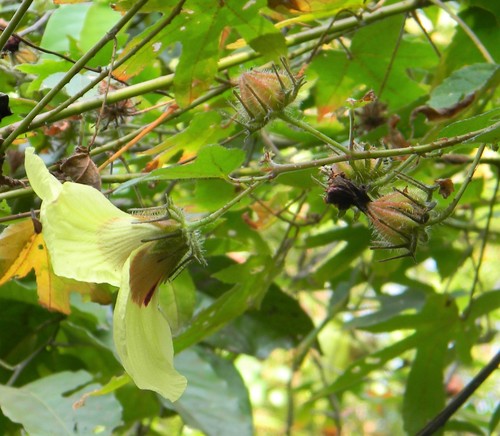
(c) Lijin Huang (紫楝), some rights reserved (CC BY-NC), uploaded by Lijin Huang (紫楝)
iNaturalist· cc-by-nc
(c) jm Wu, some rights reserved (CC BY-NC)
Description
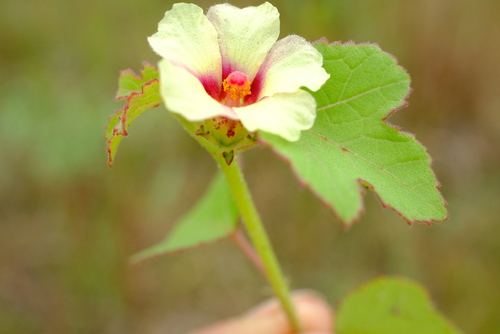
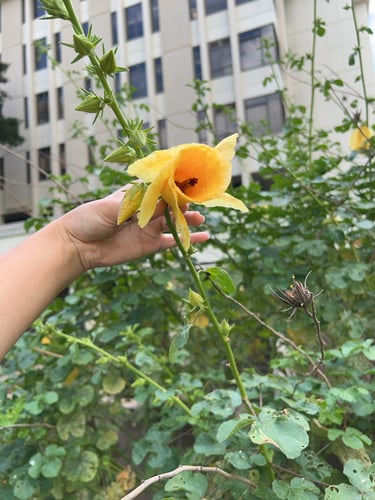
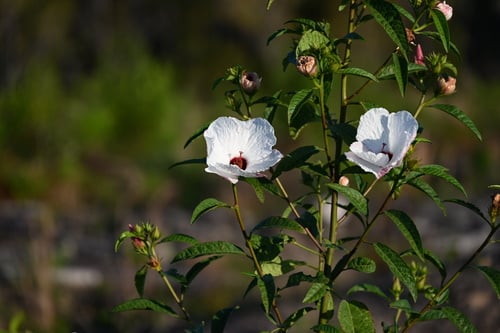
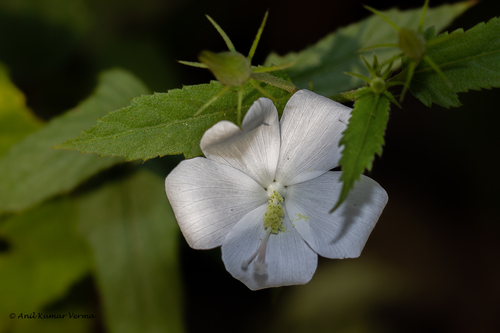
A herb. It can grow for 2 or more years. It is 50-90 cm high. It has many branches. The leaves are alternate. The edges of the leaves have teeth. Leaves taper to the tip. The leaves are heart shaped or kidney shaped. They have 5-7 lobes. Leaves are 5-12 cm long by 5-7 cm wide. They are papery. Flowers occur in the axils of leaves in groups of 3-11. Flowers are red-purple or white. They are 3.5-4 cm across. The fruit is a flat, round capsule. It is 5-7 mm across. It is hairy. The seeds are dark brown and kidney shaped. They are 2 mm across.
Edible Uses
The leaves are eaten.
Distribution
It is cultivated throughout China.
Where It Grows
Asia, China, India,
Notes
There are about 30 Malva species.
Also Known As
Dawanhua, Yejunkui
References (4)
- Altschul, S.V.R., 1973, Drugs and Foods from Little-known Plants. Notes in Harvard University Herbaria. Harvard Univ. Press. Massachusetts. no. 2739
- Gard. dict. ed. 8: Malva no. 670. 1768 (As chinensis)
- Kang, Y., et al, 2012, Wild food plants and wild edible fungi in two valleys on the Qinling Mountains (Shaanxi, central China) Journal of Ethnobiology and Ethnomedicine; 9:26
- Tang ya, Malvaceae. Flora of China. p