Ceiba acuminata
(S. Watson) Rose
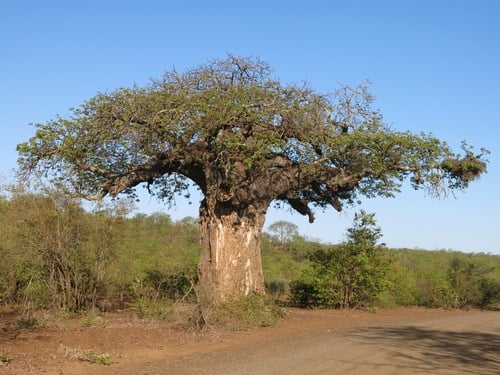
iNaturalist· cc-by-nc-sa
(c) Rich Hoyer, some rights reserved (CC BY-NC-SA)
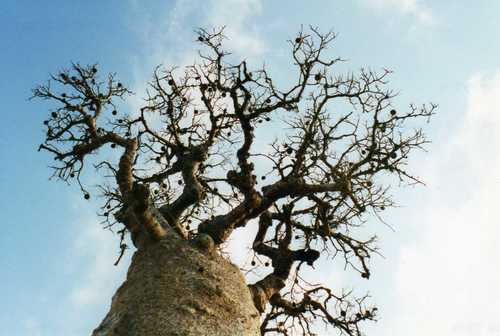
iNaturalist· cc-by-nc-sa
(c) Rich Hoyer, some rights reserved (CC BY-NC-SA)
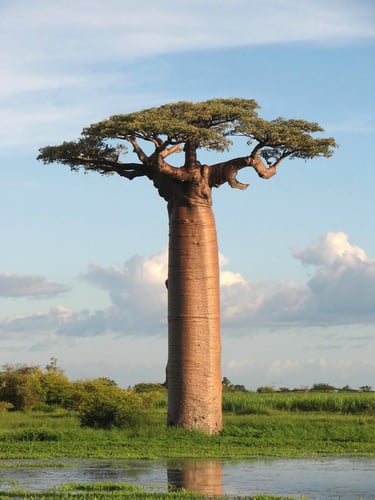
iNaturalist· cc-by-nc-sa
(c) Rich Hoyer, some rights reserved (CC BY-NC-SA)
Description
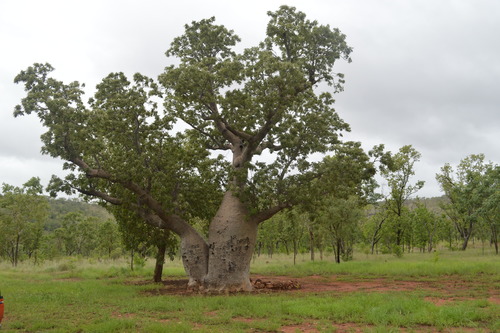
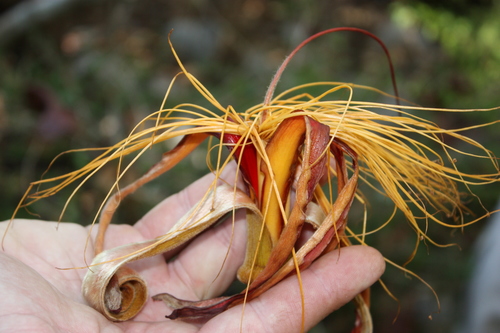
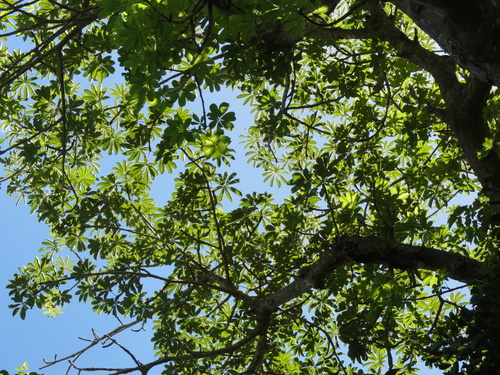
A tree. It grows 10 m high. It has a dense rounded crown. The leaves are divided like fingers. The flowers are small and have curling strap-like petals. The stamens are deep ink. The flowers are about 10 cm across.
Edible Uses
The seeds are rich in oil and are eaten. The tuberous roots are harvested and roasted. Bark can be made into tea.
Traditional Uses
The seeds are rich in oil and are eaten. The tuberous roots are harvested and roasted.
This uses section is brief — help expand it
Distribution
A tropical plant.
Where It Grows
Central America, Cuba, Mexico, North America, West Indies,
Production
It is slow growing.
Notes
There are 4 Ceiba species. Also put in the family Bombacaceae. In the subfamily Bombacoideae.
References (5)
- Barwick, M., 2004, Tropical and Subtropical Trees. A Worldwide Encyclopedic Guide. Thames and Hudson p 105
- Contr. U.S. Natl. Herb. 8:320. 1905
- Grandtner, M. M., 2008, World Dictionary of Trees. Wood and Forest Science Department. Laval University, Quebec, Qc Canada. (Internet database http://www.WDT.QC.ca)
- Nabhan, G.P. & Felger, R.S., Wild desert relatives of crops: their direct uses as food in Wickens, G.E., Goodin, J.R., and Field, D.V.,(Eds.) 1985, Plants for Arid Lands. Unwin Hyman, London, p 25
- Yetman, D., 2002, The Guarijios of the Sierra Madre: Hidden People of Northwestern Mexico. University of New Mexico Press. p 184