Cavanillesia umbellata
Ruiz & Pav.
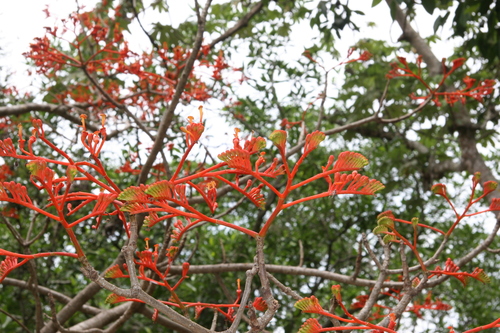
iNaturalist· cc-by-nc
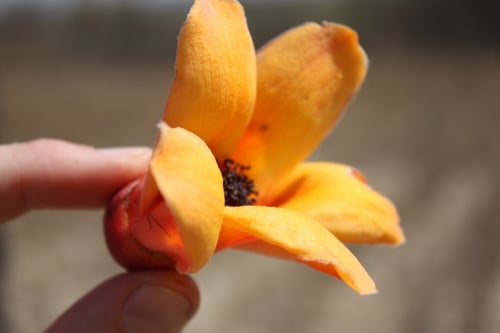
(c) Riley Fortier, some rights reserved (CC BY-NC), uploaded by Riley Fortier
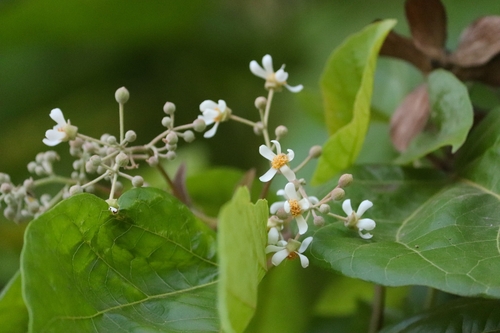
iNaturalist· cc-by-sa
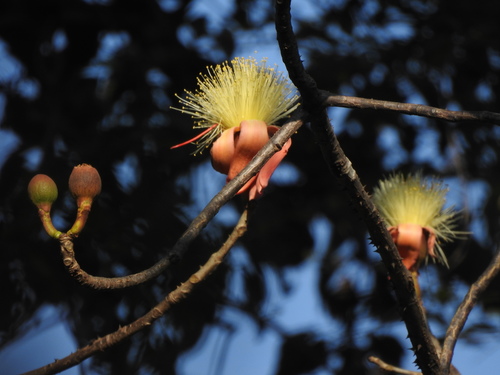
(c) vitordematos12, some rights reserved (CC BY-SA), uploaded by vitordematos12
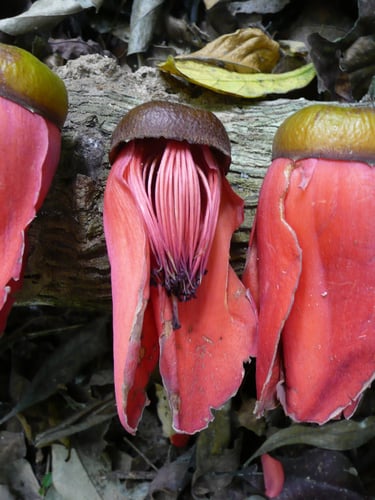
iNaturalist· cc-by-sa
(c) vitordematos12, some rights reserved (CC BY-SA), uploaded by vitordematos12
Summary
Source: WikipediaCavanillesia umbellata is a species of trees in the family Malvaceae. It is native to South America.
Description
A tropical tree in the Malvaceae family (subfamily Bombacoideae).
This description is brief — help expand it
Edible Uses
The seeds are eaten and oil is extracted from them.
Distribution
It is a tropical plant.
Where It Grows
Bolivia, Brazil, Colombia, Peru, South America, Venezuela,
Cultivation
Part of the range of this plant is in the 'Caatinga' dry forest region of northeast Brazil. The climate there is hot and dry, there are usually 6 to 11 months without rain each year. The mean annual rainfall varies from 250 - 1,000mm, and the mean annual temperature is from 24 - 26°c. Requires a sunny position and a well-drained soil. Prefers fertile soils. Tolerant of chalky soils. Very drought tolerant, the plant can be leafless for an 8 - 9 months dry season. The plant has a moderate rate of growth, able to reach a height of around 2 metres within 2 years from seed.
Propagation
Seed - best sown as soon as it is ripe in a sunny position in a nursery seedbed. A high germination rate can be expected from fresh seed, with the seed sprouting within 7 - 15 days. When the seedlings are 6 - 7cm tall, pot them up into individual containers and they should be ready to plant out 4 - 5 months later. Cuttings root easily and produce a large tree more rapidly than seed-grown specimens.
Other Uses
The bark is used to make drum hoops. The wood is very light in weight, soft, spongy, with poor mechanical properties and easily attacked by fungi which cause it to rot. It is used for low value purposes such as door fillings, light boxes, toothpicks, pencils, paper pulp etc. Because it floats, is very light and fibrous, it can also be used as an insulating material for freezers, in the construction of models, especially model planes, for making rafts and buoys etc, and is also a good source of paper pulp.
Notes
In the subfamily Bombacoideae.
Synonyms
Also Known As
Arbol del tambor, Barrigida-lisa, Castanha-do-ceara, Embare, Imbare, Lupuna bruja, Pau-de-navalha, Puca lupuna, Quipo
References (3)
- Grandtner, M. M. & Chevrette, J., 2013, Dictionary of Trees, Volume 2: South America: Nomenclature, Taxonomy and Ecology. Academic Press p 110
- Kew Plants of the World On line
- Roa, J. A. G. & Boada, D. S. G., 2018, Fundación para el Fortalecimiento de la Fruticultura y Plantas Alimenticias no Convencionales en Colombia.