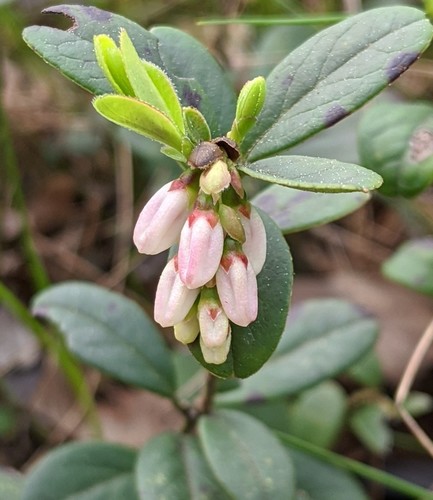
Astroloma humifusum
(Cav.) R. Br.
Native cranberry, Cranberry heath, Tasmanian cranberry
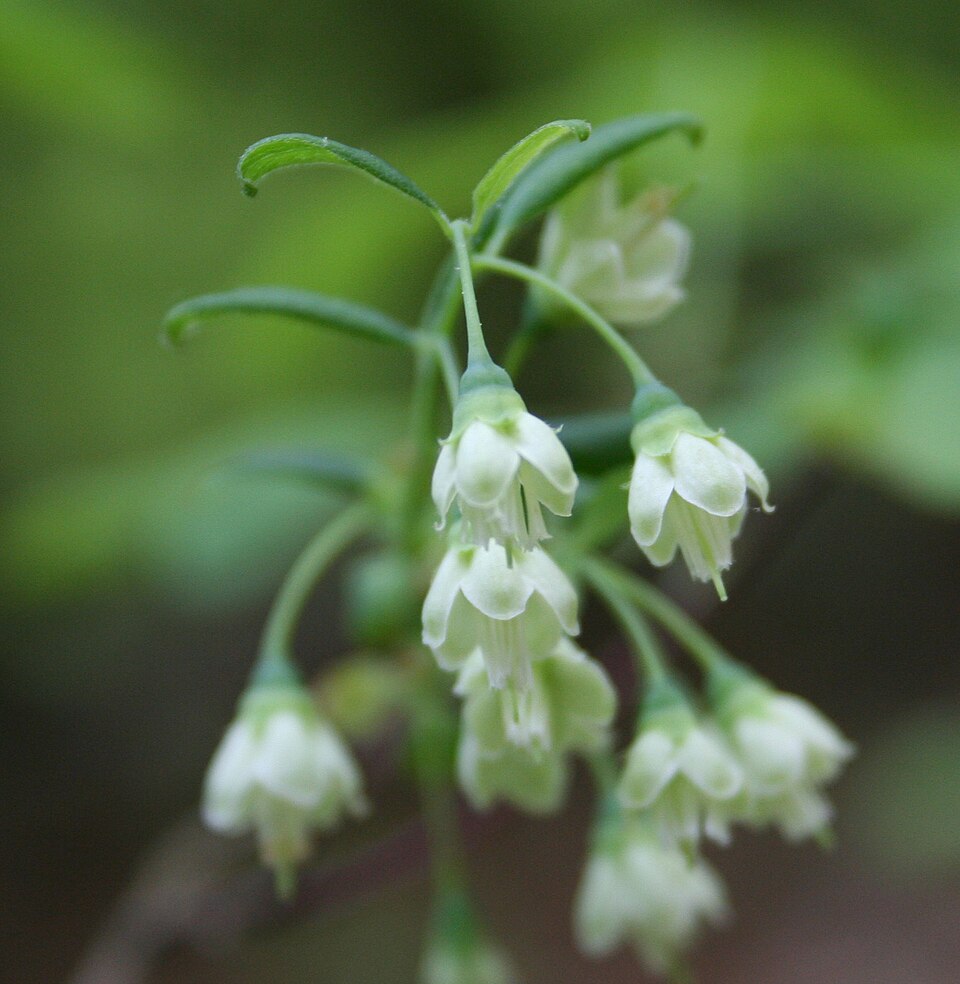
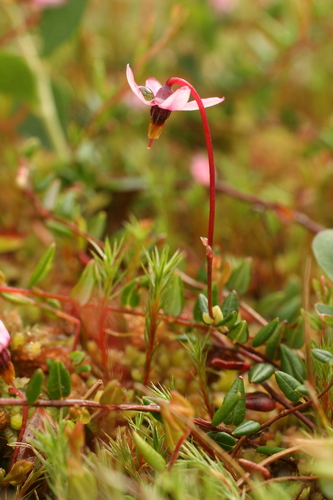
iNaturalist· cc-by-nc
(c) Geoffrey Cox, some rights reserved (CC BY-NC)
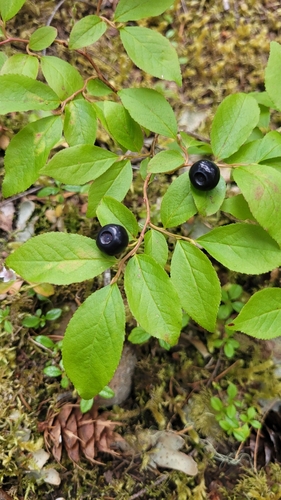
iNaturalist· cc-by-nc
(c) alishachaplin, some rights reserved (CC BY-NC)
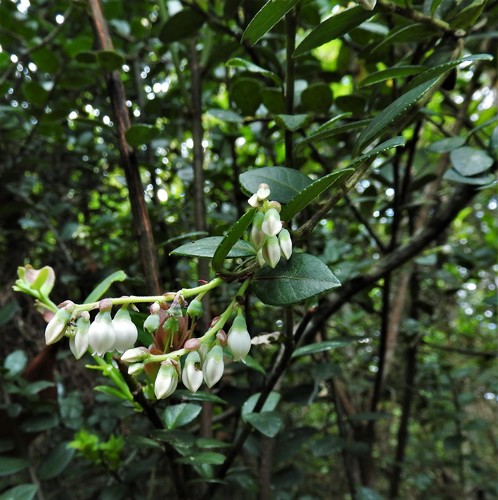
iNaturalist· cc-by-nc
(c) alishachaplin, some rights reserved (CC BY-NC)
Summary
Astroloma humifusum is a low-growing evergreen shrub reaching 0.1 m tall with a spread of 0.5 m. Hardy to UK zone 8, it flowers May to June and maintains foliage year-round. Hermaphroditic and sun-loving, it adapts to light sandy, medium loamy, and heavy clay soils with preference for well-drained conditions across mildly acidic to basic pH ranges. It tolerates both dry and moist soils and handles drought well.
Description
A small shrub which is close to the ground. It grows 10-30 cm tall and spread 60-100 cm wide. It has many branches. The leaves are narrow and stiff. They have a spine at the tip. Leaves are 5-12 mm long with hairy edges. The flowers are like tubes and are bright red. The fruit are greenish and 7-11 mm across. The fruit can often have purplish spots or stripes. There is one large stone inside. The fruit is edible.
Edible Uses
Edible Parts: Fruit Edible Uses: Fruit - raw. A sweet viscid pulp. The taste is somewhat like apples. The fruit is a drupe about 7 - 11mm wide.
Traditional Uses
The fruit are eaten. They can also be used for jam.
This uses section is brief — help expand it
Medicinal Uses
None known
Distribution
It is a temperate plant. It grows naturally in heathlands and woodlands on sandy and stony soil. It can grow in moist well-drained or dry soils. It can stand heavy frosts. It suits shady understorey locations. Hobart Botanical Gardens. Tasmania Herbarium.
Where It Grows
Australia*, Tasmania*,
Cultivation
It can be grown from cuttings but this is not easy. Tip cuttings are used.
Propagation
Seed - best sown as soon as it is ripe in a cold frame. The seed has a hard coat and some form of scarification is necessary or the seed can take up to 5 years to germinate. Two or three periods each of 4 - 6 weeks cold stratification can reduce the time taken to germinate. As soon as they are large enough to handle, prick the seedlings out into individual pots and grow them on in the greenhouse for at least their first winter. When large enough, plant them out into their permanent positions in late spring or early summer. Cuttings of firm young tip growths. It is very difficult to obtain suitable wood and the cuttings are slow to root.
Other Uses
None known Special Uses
Other Information
The fruit are enjoyed.
Notes
There are about 20 Astroloma species.
Synonyms
References (26)
- Bircher, A. G. & Bircher, W. H., 2000, Encyclopedia of Fruit Trees and Edible Flowering Plants in Egypt and the Subtropics. AUC Press. p 47
- Bodkin, F., 1991, Encyclopedia Botanica. Cornstalk publishing, p 115
- Cherikoff V. & Isaacs, J., The Bush Food Handbook. How to gather, grow, process and cook Australian Wild Foods. Ti Tree Press, Australia p 194
- Clarke, P. A., 2013, The Aboriginal Ethnobotany of the Adelaide Region, South Australia. Transactions of the Royal Society of South Australia. (2013), 137(1): 97-126
- Collier, P., 1993, Woodland Wild flowers of Tasmania. Plant Identikit. Society for growing Australian Plants Tasmania Region. Hobart. p 32
Show all 26 references Hide references
- Cribb, A.B. & J.W., 1976, Wild Food in Australia, Fontana. p 22
- Curtis, W.M., 1963, The Students Flora of Tasmania Vol 2 p 424
- Dashorst, G.R.M., and Jessop, J.P., 1998, Plants of the Adelaide Plains & Hills. Botanic Gardens of Adelaide and State Herbarium. p 116
- Elliot, W.R., & Jones, D.L., 1982, Encyclopedia of Australian Plants suitable for cultivation. Vol 2. Lothian. p 248
- Gilfedder, L et al, 2003, The Nature of the Midlands. Midlands Bushweb. PO Box 156 Longford, Tasmania. p 102
- Harris, S., Buchanan, A., Connolly, A., 2001, One Hundred Islands: The Flora of the Outer Furneaux. Tas Govt. p 111
- Hastings Advance Community College, 2017, Uses for Native Plants of the Mornington Peninsula. 86pp. p 20
- Heyne, G. & P., 1985, Australian Plants for your Garden. Lothian. p 35
- Hibbert, M., 2002, The Aussie Plant Finder 2002, Florilegium. p 35
- Lazarides, M. & Hince, B., 1993, Handbook of Economic Plants of Australia, CSIRO. p 27
- Low, T., 1991, Wild Food Plants of Australia. Australian Nature FieldGuide, Angus & Robertson. p 132
- Low, T., 1992, Bush Tucker. Australia’s Wild Food Harvest. Angus & Robertson. p 43
- Maiden, J. H., 1889, The Useful Native Plants of Australia (including Tasmania). The Technology Museum of NSW, Sydney. p 8
- Minchin, R.F., Tasmanian Wildflowers. A Field Guide. Volume one. Regal Publications, Launceston p 96
- Molyneux, B & Forrester, S., 1997, The Austraflora A-Z of Australian Plants. Reed. p 46
- Paczkowska, G. & Chapman, A.R., 2000, The Western Australian Flora. A Descriptive Catalogue. Western Australian Herbarium. p 234
- Plants for a Future database, The Field, Penpol, Lostwithiel, Cornwall, PL22 0NG, UK. http://www.scs.leeds.ac.uk/pfaf/
- Tasmanian Herbarium Vascular Plants list p 25
- Whiting, J. et al, 2004, Tasmania's Natural Flora. Tasmania's Natural Flora Editorial Committee PO Box 194, Ulverstone, Tasmania, Australia 7315 p 114
- www.ceres.org/au/bushfood catalogue
- Zola, N., & Gott, B., 1992, Koorie Plants Koorie People. Koorie Heritage Trust. p 50