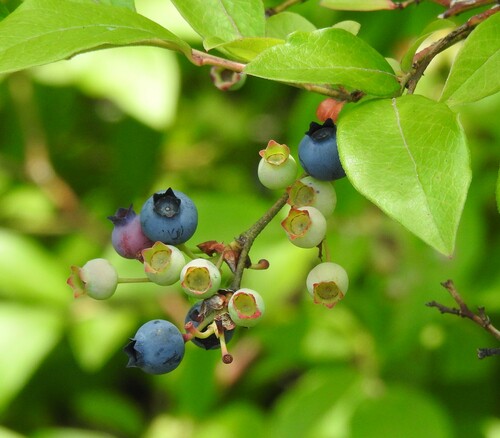
Rhododendron ponticum
L.
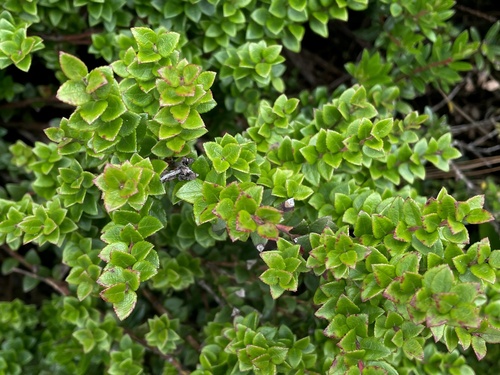
iNaturalist· cc-by-nc
(c) 103917170835602529469, some rights reserved (CC BY-NC), uploaded by 103917170835602529469
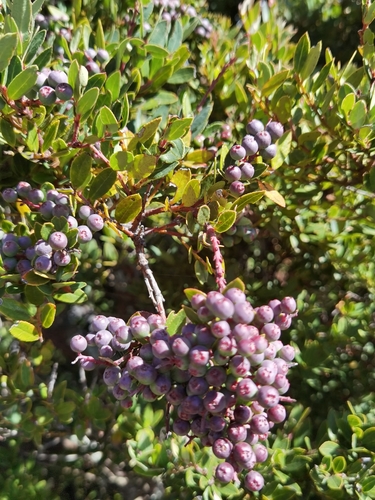
iNaturalist· cc-by-nc
(c) telliatela, some rights reserved (CC BY-NC)
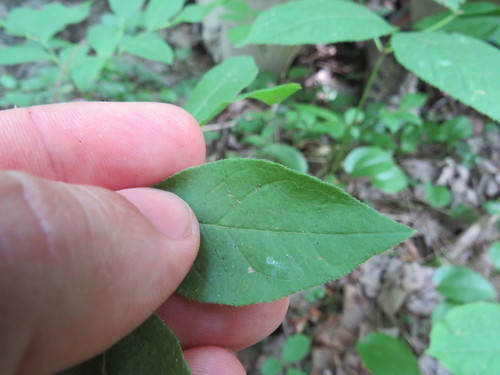
iNaturalist· cc-by-nc
(c) telliatela, some rights reserved (CC BY-NC)
Summary
Source: WikipediaRhododendron ponticum, called common rhododendron or pontic rhododendron, is a species of flowering plant in the Rhododendron genus of the heath family Ericaceae. It is native to the Iberian Peninsula in southwest Europe and the Caucasus region in northern West Asia.
Description
Evergreen shrub growing to 5m tall. Hardy to UK zone 7. Foliage present year-round with flowers May to June. Hermaphroditic flowers pollinated by insects. Tolerates light sandy and medium loamy soils with good drainage. Grows in mildly acid to very acid soils. Prefers semi-shade and moist soil.
Edible Uses
None known.
Medicinal Uses
A medicine prepared from the plant is used to treat heart and circulation malfunctions. It has both antirheumatic and cardiac applications, but should not be used without expert supervision.
Known Hazards
Although no specific mention of toxicity has been seen for this species, it belongs to a genus where many members have poisonous leaves. The pollen of many if not all species of rhododendrons is also probably toxic, being said to cause intoxication when eaten in large quantities.
Distribution
It is a temperate plant.
Where It Grows
Caucasus, Georgia, Turkey, Türkiye,
Cultivation
Succeeds in a most humus-rich lime-free soils except those of a dry arid nature or those that are heavy or clayey. Prefers a peaty or well-drained sandy loam. A pH between 4.5 and 5.5 is ideal. Succeeds in sun or shade, the warmer the climate the more shade a plant requires. Hardy to about -15°c. Plants are self-sowing aggressively in British woodlands and are often out-competing native trees by filling the understorey and preventing natural regeneration. They are considered to be a pernicious weed by many environmentalists. Succeeds in a woodland though, because of its surface-rooting habit, it does not compete well with surface-rooting trees. Plants need to be kept well weeded, they dislike other plants growing over or into their root system, in particular they grow badly with ground cover plants, herbaceous plants and heathers. Plants form a root ball and are very tolerant of being transplanted, even when quite large, so long as the root ball is kept intact. Plants in this genus are notably susceptible to honey fungus.
Propagation
Seed is best sown in a greenhouse as soon as it is ripe in autumn under artificial light. Alternatively, sow in a lightly shaded warm greenhouse in late winter, or in a cold greenhouse in April. Surface-sow and keep the compost consistently moist. Pot up seedlings when large enough to handle and grow on under glass for at least the first winter. Layering in late July takes 15–24 months. Cuttings of half-ripe wood taken in August in a frame are possible but difficult.
Other Uses
Plants are grown as a hedge at the RHS gardens in Wisley, Surrey, where the species has shown tolerance of quite hard clipping.
Synonyms
Also Known As
Akh'meri, Kumar, Shk;eri
References (3)
- Bussman, R. W., et al, 2016, A comparative ethnobotany of Khevsureti, Samtskhe-Javakheti, Tusheti, Svaneti, and Racha-Lechkhumi, Republic of Georgia (Sakartvelo), Caucasus. Journal of Ethnobiology and Ethnomedicine.
- Bussman, R. W., et al, 2021, Unity in diversity—food plants and fungi of Sakartvelo (Republic of Georgia), Caucasus. Journal of Ethnobiology and Ethnomedicine (2021) 17:72 p 13
- Ertug, F, Yenen Bitkiler. Resimli Türkiye Florası -I- Flora of Turkey - Ethnobotany supplement