Rhyticaryum longifolium
K. Schum & Lauterb.
Nu-marrio, Kame game
Description
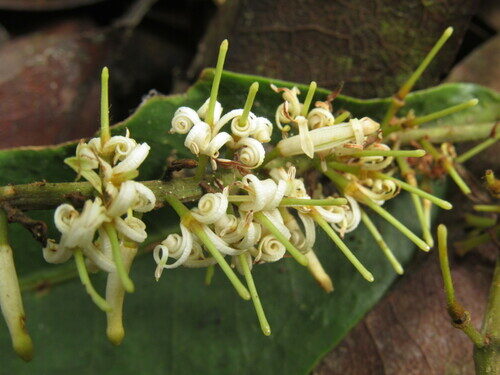
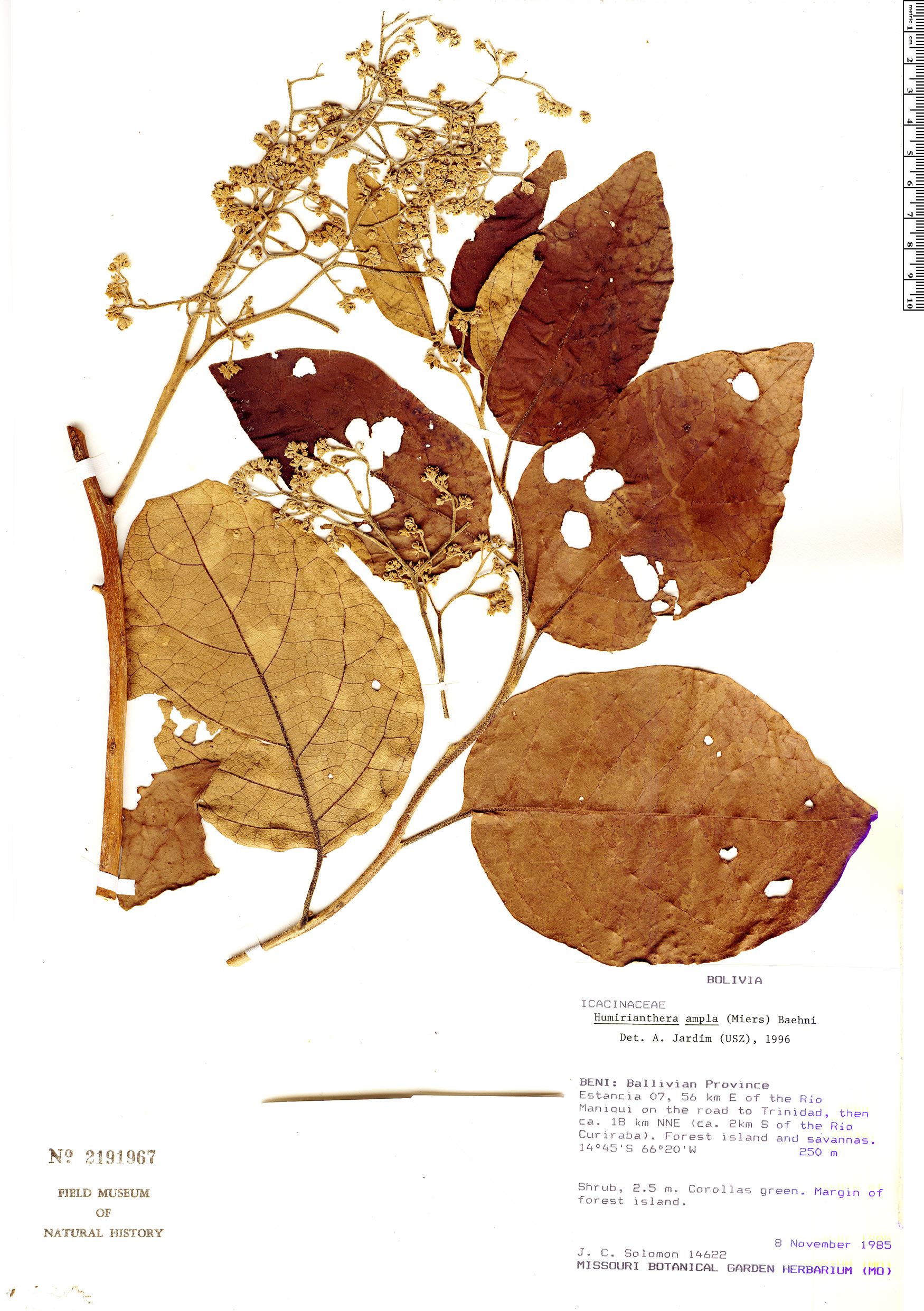
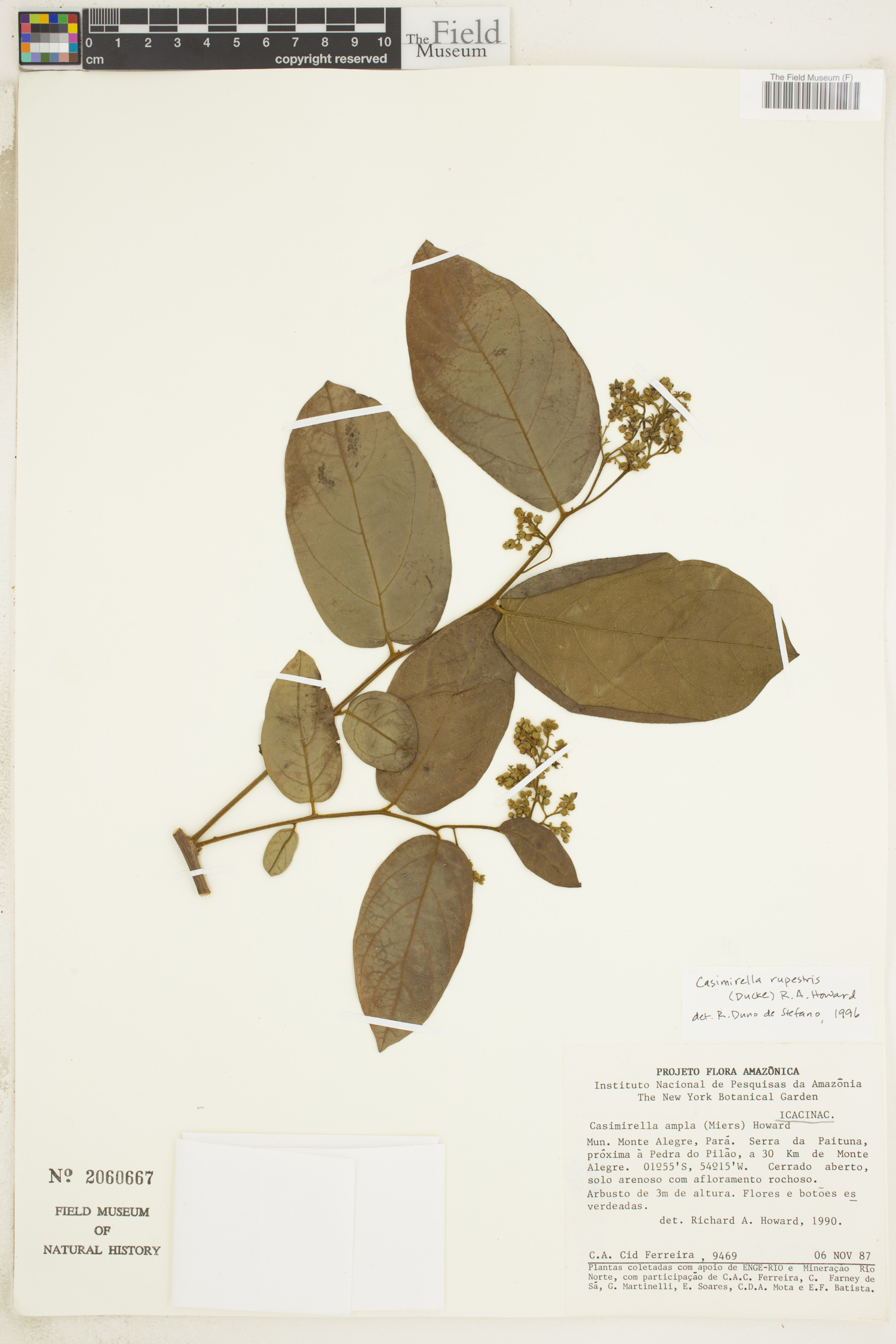
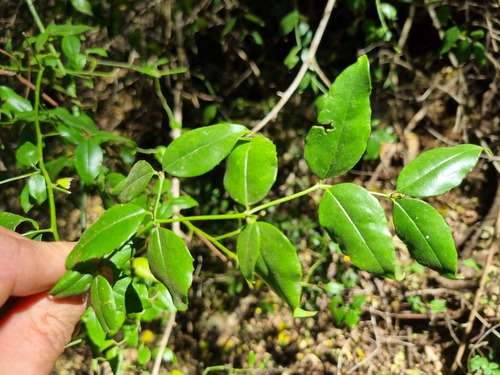
A shrub or small tree. It grows up to 5 m tall but can be up to 15 m tall. Young growth and buds have hairs. The leaves are oval but taper to a tip at the end. They are 8-18 cm long by 3-6 cm wide. The flowers are in compact spikes 3-5 cm long. Male and female flowers are separate. The fruit hang down. The fruit is green, fleshy and oval. They become bright red when ripe. It is 2-3 cm long and 1.5 cm wide. It has a thick woody covering.
Edible Uses
The leaves are eaten as a vegetable.
Traditional Uses
The leaves are eaten as a vegetable.
This uses section is brief — help expand it
Distribution
A tropical plant. It has been collected near Finschafen and Kokoda and other coastal regions in PNG. It occurs near Cooktown on Cape York in Australia. It grows in open secondary forest.
Where It Grows
Australia, Pacific, Papua New Guinea, PNG, Solomon Islands,
Synonyms
References (3)
- Altschul, S.V.R., 1973, Drugs and Foods from Little-known Plants. Notes in Harvard University Herbaria. Harvard Univ. Press. Massachusetts. no. 2570
- French, B.R., 2010, Food Plants of Solomon Islands. A Compendium. Food Plants International Inc. p 379
- Sleumer, 1971, Icacinaceae. Flora Malesia. Series 1. Vol 7:1 p 2, 41