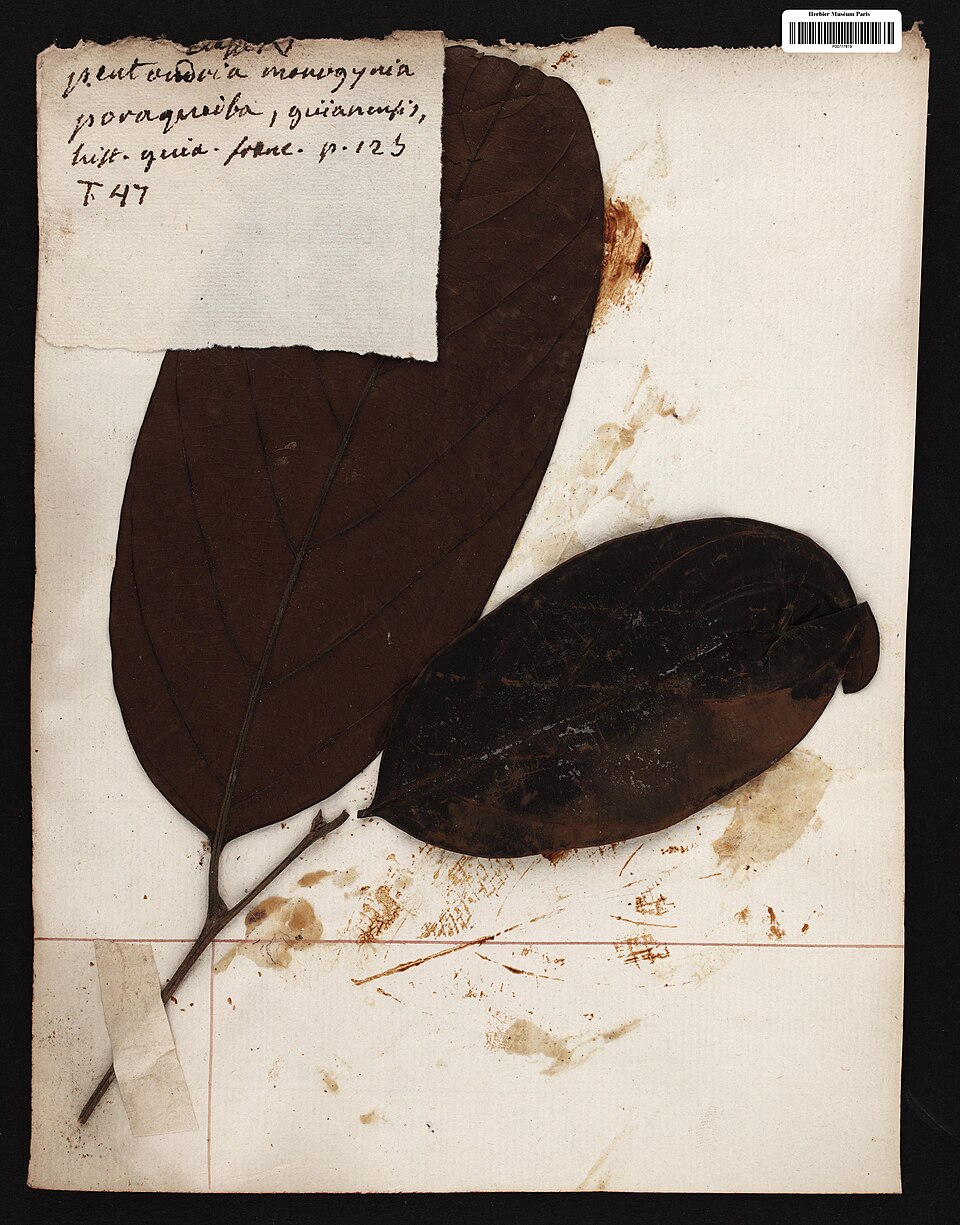
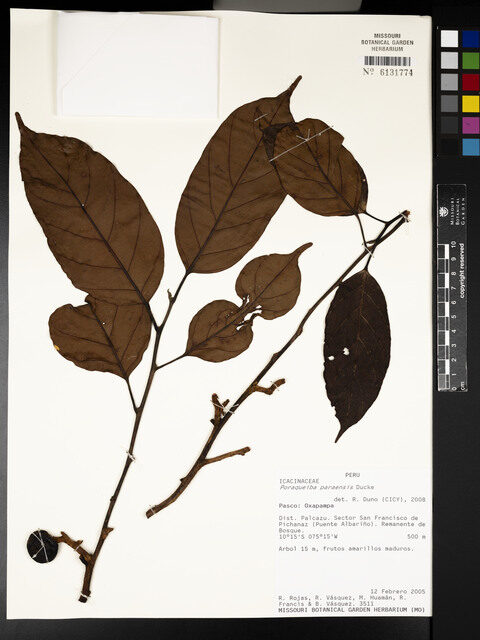
Casimirella ampla
(Miers) R. A. Howard
gbif· cc-by-nc
Rapid Reference Collection (RRC) | Field Museum of Natural History - Keller Science Action Center
gbif· cc-by-nc
Cathie Jagasia : Field Museum of Natural History - Botany Department
gbif· cc-by-nc
Field Museum of Natural History - Botany Department | GDI 2013-2015
Description
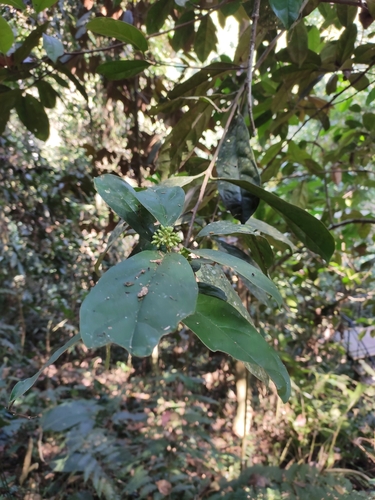
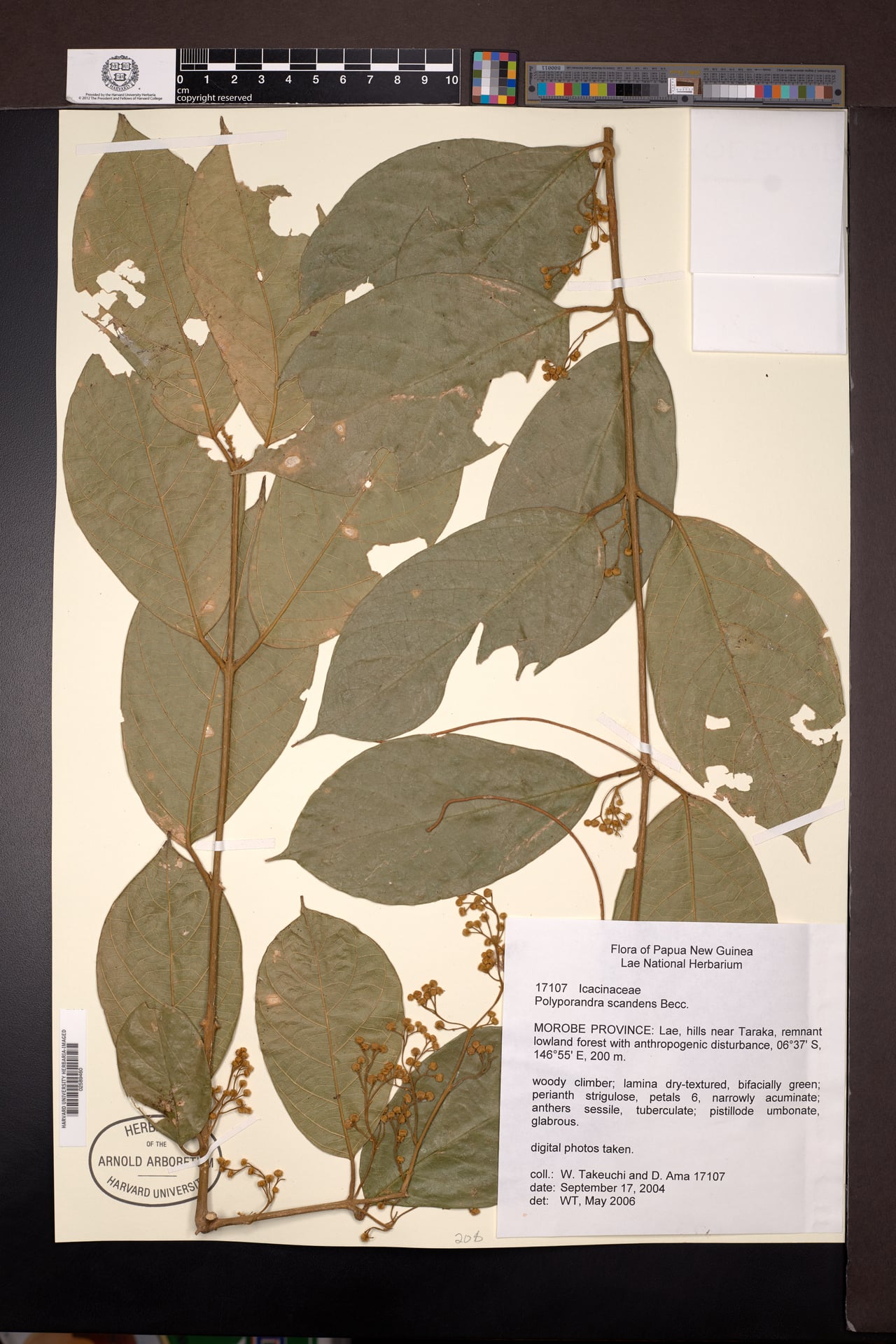
A shrub or creeper. It has a large starchy tuber. The young branches are slightly angular. The leaves are narrowly oval and 8-20 cm long by 3-10 cm wide.
Edible Uses
The starch from the tuber is edible after being washed to remove bitter substances.
Traditional Uses
The starch from the tuber is edible once the bitter substances are washed out.
This uses section is brief — help expand it
Medicinal Uses
The tuber and roots have traditional uses.
Distribution
A tropical plant.
Where It Grows
Amazon, Bolivia, Brazil, Colombia, Ecuador, French Guiana, Peru, South America, Venezuela,
Production
The tuber weighs 5-20 kg.
Synonyms
Also Known As
Manga-brava, Surucuina
References (5)
- Flora of Guianas
- Heywood, V.H., Brummitt, R.K., Culham, A., and Seberg, O. 2007, Flowering Plant Families of the World. Royal Botanical Gardens, Kew. p 173
- Kermath, B. M., et al, 2014, Food Plants in the Americas: A survey of the domesticated, cultivated and wild plants used for Human food in North, Central and South America and the Caribbean. On line draft. p 195
- Kew Plants of the World On line
- Smith, N., Mori, S.A., et al, 2004, Flowering Plants of the Neotropics. Princeton. p 193