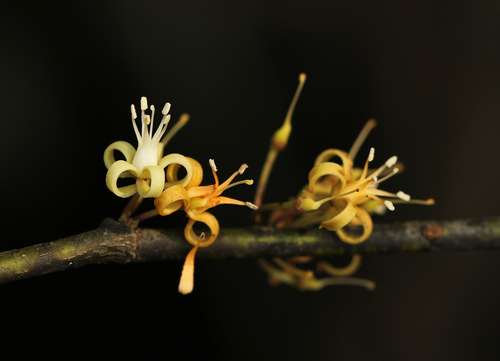
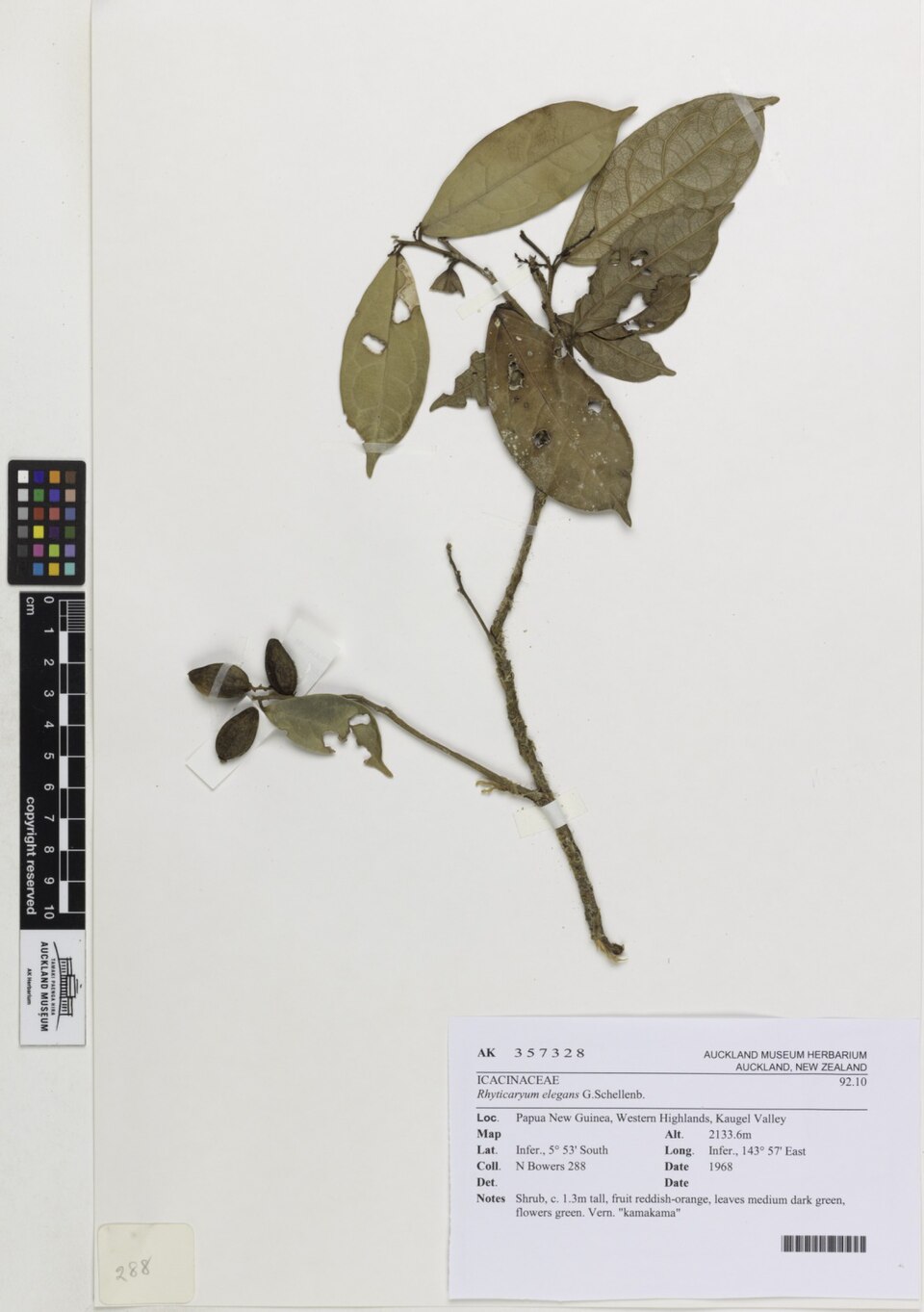
Cassinopsis ilicifolia
(Hochst.) Kuntze
Lemon thorn, Spiny cassinopsis
iNaturalist· cc-by-nc
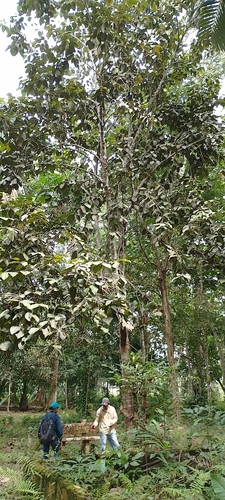
(c) Reuben Heydenrych, some rights reserved (CC BY-NC), uploaded by Reuben Heydenrych
iNaturalist· cc-by-nc
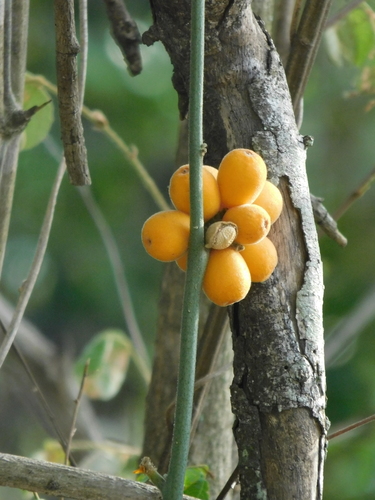
(c) Carolize Jansen, some rights reserved (CC BY-NC)
iNaturalist· cc-by-nc
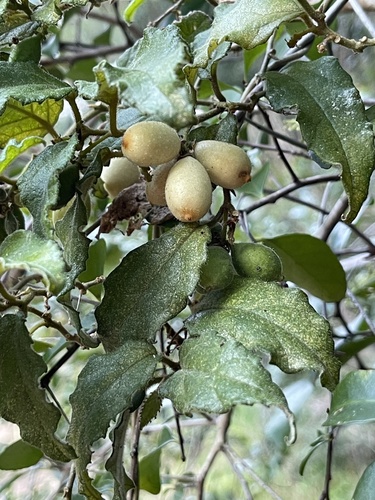
(c) Carolize Jansen, some rights reserved (CC BY-NC)
Summary
Source: WikipediaCassinopsis ilicifolia is a spined, straggling shrub or liane in the family Icacinaceae. It is native to the moister regions of southern Africa. It is named ilicifolia due to the leaves with somewhat serrated leaf margins, which resemble those of the genus Ilex.
Description
An evergreen scrambling shrub. It grows 4 m high and spreads 4 m wide. The branches are slender and flexible and are alternate. They can be trailing and they have a zigzag pattern. There are spines on the stems. These are straight and can be 2.5 cm long. The leaves are green and shiny above but dull green underneath. The flowers are cream or white and star shaped. They are 2 mm across. They are in clusters opposite the spines. The fruit are fleshy and slightly flattened. They are bright orange-red when ripe. They are 13 mm long.
Edible Uses
The ripe fruit are edible, though they do not have a particularly good taste or flavour.
Traditional Uses
The ripe fruit are edible.
This uses section is brief — help expand it
Distribution
It is a tropical and subtropical plant. It grows in mountain forest. It grows in moist well-drained places. It can tolerate frost and drought. It can grow in sun or shade. It can grow in arid places.
Where It Grows
Africa, East Africa, Eswatini, Lesotho, South Africa, Southern Africa, Swaziland, Zambia, Zimbabwe,
Cultivation
It can be grown from seeds. Seeds germinate easily. Seedlings can be transplanted at the one leaf stage.
Production
It grows quite fast.
Other Information
The fruit do not have a good taste or flavour.
Notes
There are 4 Cassinopsis species. They grow in southern Africa.
Synonyms
Also Known As
Holly cassinopsis, Icegceya, Ikhubalo, Imamba elihlaza, Italazane, Izinhlogo, Motale, Sihloko
References (9)
- Fox, F. W. & Young, M. E. N., 1982, Food from the Veld. Delta Books. p 239
- http://www.plantzafrica.com/plantcd/cassinopilicifolia.htm
- https://growwild.co.za Edible Indigenous plants
- Long, C., 2005, Swaziland's Flora - siSwati names and Uses http://www.sntc.org.sz/flora/
- Royal Botanic Gardens, Kew (1999). Survey of Economic Plants for Arid and Semi-Arid Lands (SEPASAL) database. Published on the Internet; http://www.rbgkew.org.uk/ceb/sepasal/internet [Accessed 18th April 2011]
Show all 9 references Hide references
- Ruiters-Welcome, A. K., 2019, Food plants of southern Africa. Ph.D. thesis. Univ. of Johannesburg p 66
- Venter, F & J., 2009, Making the most of Indigenous Trees. Briza. p 94
- Welcome, A. K. & Van Wyk, B.-E., 2019, An inventory and analysis of the food plants of southern Africa. South African Journal of Botany 122 (2019) 136–179
- World Checklist of Useful Plant Species 2020. Royal Botanic Gardens, Kew