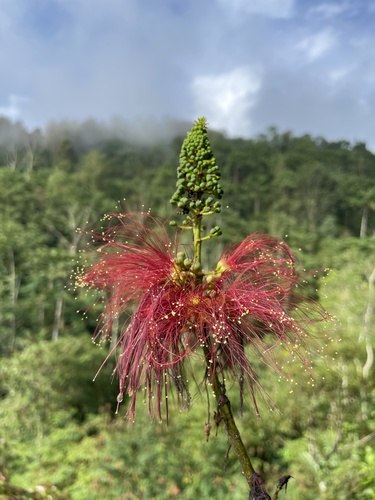
Acacia polyacantha subsp. campylacantha
Willd., (A. Rich.) Brenan
White thorn
iNaturalist· cc-by-nc
(c) lale2023, some rights reserved (CC BY-NC)
iNaturalist· cc-by-nc
(c) lale2023, some rights reserved (CC BY-NC)
iNaturalist· cc-by-nc
(c) lale2023, some rights reserved (CC BY-NC)
Description
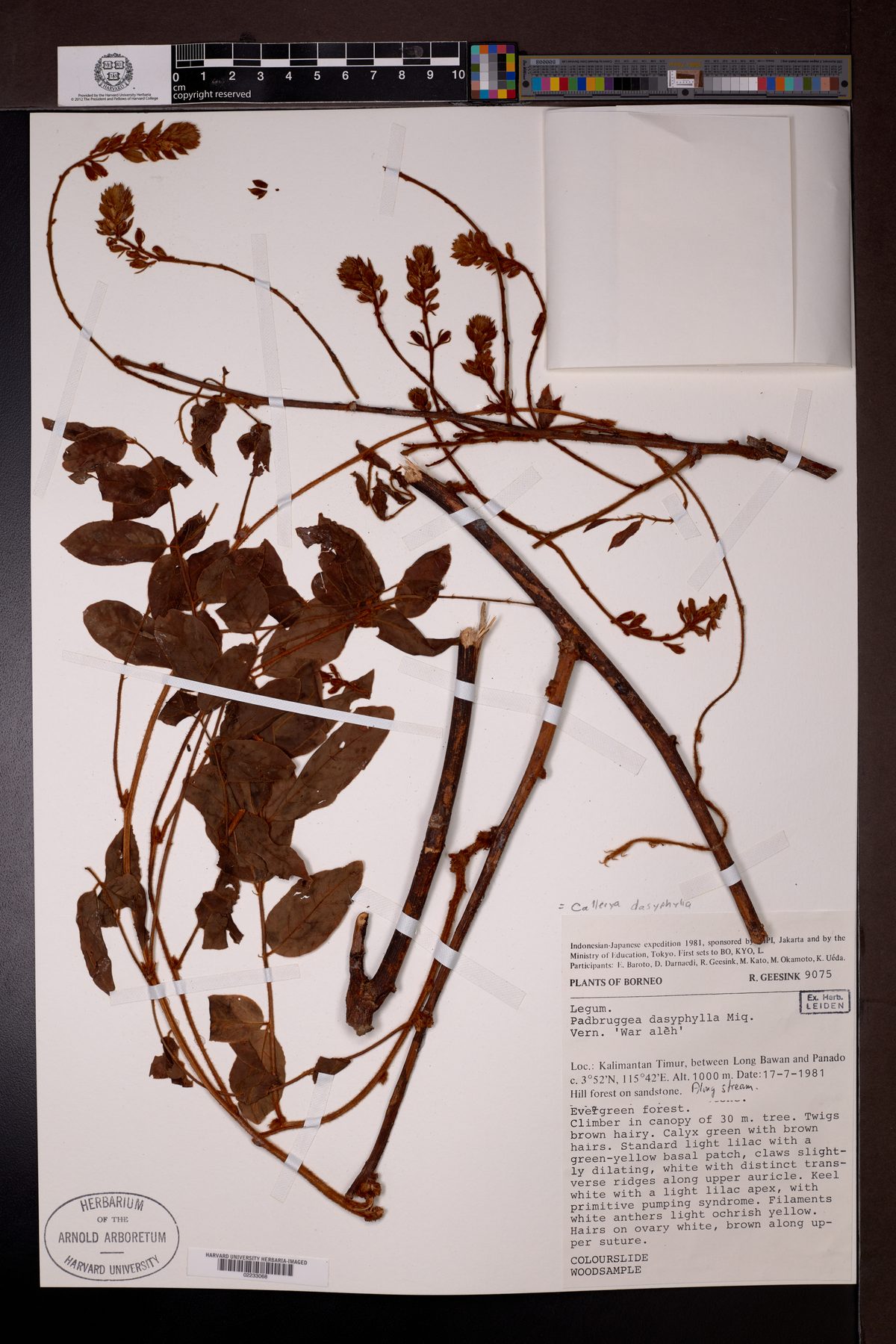
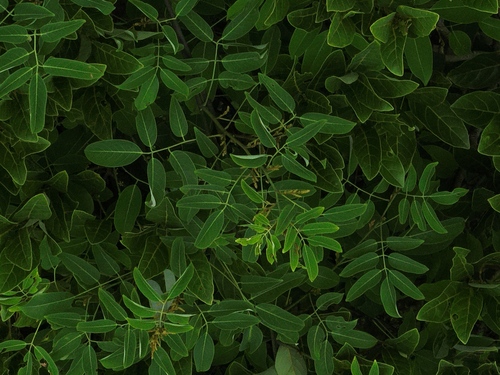
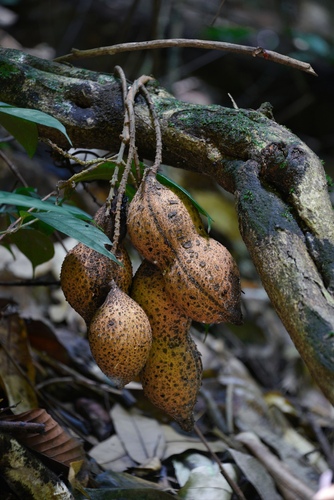
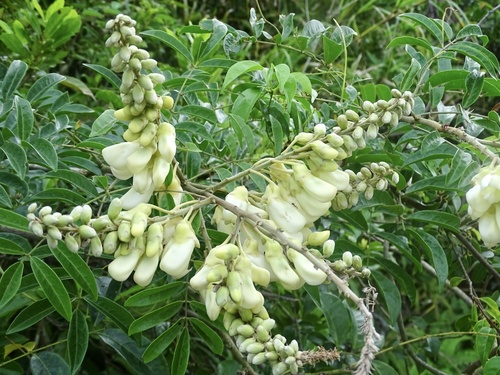
A shrub or small tree. It grows 5 m tall. There are prickles along the stem. The leaves are twice divided and there are 8-18 pairs of pinnae. There are up to 50 pairs of pinnules on each pinnae. The flowers are yellow. They are in large clusters at the ends of branches. The pods are flattened.
Edible Uses
The gum is used in confectionery. Seeds are eaten and leaves are used as a spice.
Traditional Uses
The gum is used in confectionary.
This uses section is brief — help expand it
Medicinal Uses
Root extract of S. polycantha is useful for snakebites and is applied to wash the skin of children who are agitated at night time.
Distribution
It is a tropical plant. It occurs in wooded grassland and in soil from rivers in river valleys. It grows in the Sahel. It can grow in arid places.
Where It Grows
Africa, Benin, Botswana, Burundi, Cameroon, Central Africa, Congo, Côte d'Ivoire, East Africa, Ethiopia, Gambia, Ghana, Ivory Coast, Kenya, Malawi, Mali, Mozambique, Namibia, Niger, Nigeria, Rwanda, Sahel, Senegal, South Africa, Southern Africa, Sudan, Tanzania, Togo, Uganda, West Africa, Zambia, Zimbabwe,
Notes
There are about 1,350 Acacia species. Over 1,000 occur in Australia. It is used in medicine. The leaves are used for fodder and in medicine. Also as Mimosaceae.
Synonyms
Also Known As
African cachechu tree, Chikwiku, Chiugadzi, Falcon's claw acacia, Guvwa, Kalakhanga, Kobakova, M'rroca, Mekaja, Mgunga, Msukanzi, Mtopotopo, Mugone, Mukwakwa, Munanga, Musewa, White thorn-tree
References (13)
- Bekele-Tesemma A., Birnie, A., & Tengnas, B., 1993, Useful Trees and Shrubs for Ethiopia. Regional Soil Conservation Unit. Technical Handbook No 5. p 58
- Burkill, H. M., 1985, The useful plants of west tropical Africa, Vol. 3. Kew.
- Dharani, N., 2002, Field Guide to common Trees & Shrubs of East Africa. Struik. p 34
- Fowler, D. G., 2007, Zambian Plants: Their Vernacular Names and Uses. Kew. p 33
- Goode, P., 1989, Edible Plants of Uganda. FAO p 30 (As Acacia campylacantha)
Show all 13 references Hide references
- Mannheimer, C. A. & Curtis. B.A. (eds), 2009, Le Roux and Muller's Field Guide to the Trees and Shrubs of Namibia. Windhoek: Macmillan Education Namibia. p 112
- Maydell, H. von, 1990 Trees and shrubs of the Sahel: their characteristics and uses. Margraf. p
- Mbuya, L.P., Msanga, H.P., Ruffo, C.K., Birnie, A & Tengnas, B., 1994, Useful Trees and Shrubs for Tanzania. Regional Soil Conservation Unit. Technical Handbook No 6. p 62
- Palgrave, K.C., 1996, Trees of Southern Africa. Struik Publishers. p 247
- Peters, C. R., O'Brien, E. M., and Drummond, R.B., 1992, Edible Wild plants of Sub-saharan Africa. Kew. p 127
- Sp. pl. 4(2):1079. 1806
- Williamson, J., 2005, Useful Plants of Malawi. 3rd. Edition. Mdadzi Book Trust. p 10
- www.zimbabweflora.co.zw 2011