Inga cylindrica
(Vell.) C. Martius
Cylindrical inga
iNaturalist· cc-by
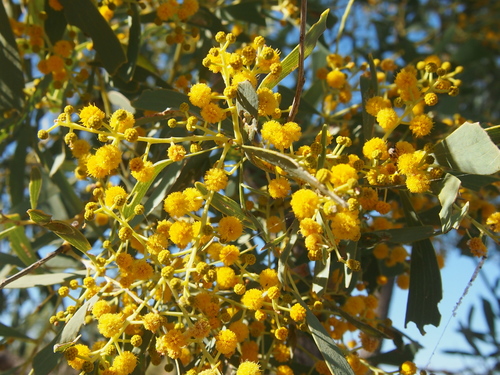
(c) Douglas, some rights reserved (CC BY), uploaded by Douglas
iNaturalist· cc-by
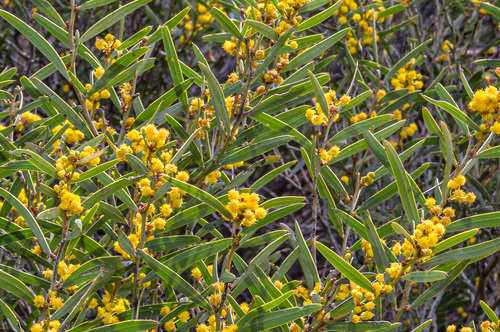
(c) Douglas, some rights reserved (CC BY)
iNaturalist· cc-by
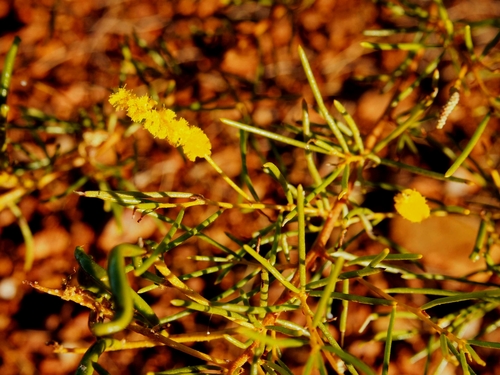
(c) Douglas, some rights reserved (CC BY)
Description
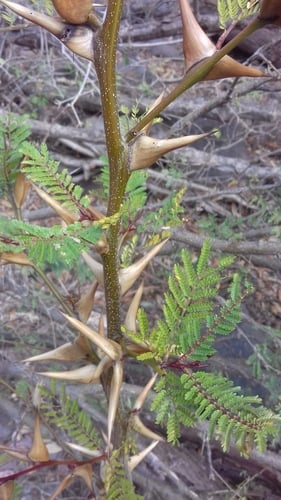
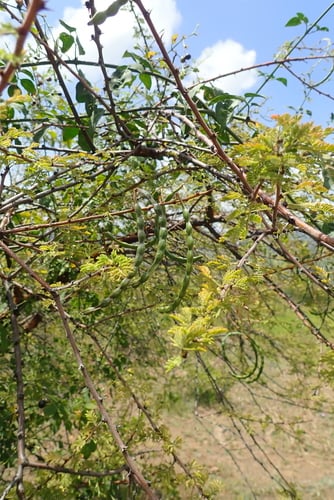
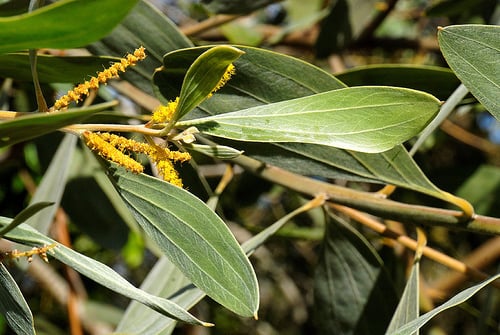
A tree. It grows 10-15 m high. The trunk is 50-60 cm across. The leaves are compound. They are 15-20 cm long with 4 pairs of leaflets. The leaflets are oval and opposite. The fruit is a pod. It is 15-20 cm long. There are 10-15 seeds. These are 13-14 mm long by 8-10 mm wide.
Edible Uses
Fruit - raw. The white pulp surrounding the seeds has a very sweet flavour. The seedpod is 5 - 25cm long and 2cm wide, containing 6 - 14 seeds.
Distribution
A tropical plant. In Bolivia they grow up to 700 m altitude. They occur in areas with rainfall of 1,000-1,500 mm per year.
Where It Grows
Amazon, Andes, Bolivia, Brazil, Central America, Colombia, Costa Rica, Ecuador, French Guiana, Guianas, Guyana, Peru, South America, Suriname,
Cultivation
Plants are grown from seed. The seed are removed from the ripe pods and not allowed to dry out but planted fresh. Seeds germinate in 10-20 days. Seedlings are transplanted in 4-5 months.
Propagation
Seed - best sown as soon as it is ripe. Sow in a lightly shaded position in a nursery seedbed. A moderate rate of germination can be expected, with the seeds sprouting within 10 - 20 days. Transplant the seedlings to individual containers when they have 4 - 6 leaves and they should be ready for planting out 4 - 5 months later.
Other Uses
The wood is medium-textured, straight-gained, light in weight, soft, with poor durability. It is only used locally for items such as internal work for general construction. The wood is used for fuel and to make charcoal. A natural pioneer species within its native range, it is fast growing, fixes atmospheric nitrogen and also supplies food for humans and native wildlife, so it could be an excellent choice as a pioneer plant for re-establishing woodland.
Production
Plants grow quickly in the field. They can be over 2 m high in 2 years.
Notes
There are 350 Inga species. Also as Mimosaceae.
Synonyms
Also Known As
Cuajiniquil, Inga, Inga-feijao, Pacay rosario
References (9)
- Altschul, S.V.R., 1973, Drugs and Foods from Little-known Plants. Notes in Harvard University Herbaria. Harvard Univ. Press. Massachusetts. no. 1513
- Grandtner, M. M. & Chevrette, J., 2013, Dictionary of Trees, Volume 2: South America: Nomenclature, Taxonomy and Ecology. Academic Press p 320
- ILDIS Legumes of the World http:www;ildis.org/Legume/Web
- Lorenzi, H., 2002, Brazilian Trees. A Guide to the Identification and Cultivation of Brazilian Native Trees. Vol. 02 Nova Odessa, SP, Instituto Plantarum p 183
- Kew Plants of the World On line
Show all 9 references Hide references
- Peres, M. K., 2011, Diasporos do Cerrado Atrativos para Fauna: Chave Interativa Caracterizacao Visual e Relacoes Ecologicas. Masters thesis. Universidade de Brasilia.
- Reis, S. V. and Lipp, F. L., 1982, New Plant Sources for Drugs and Foods from the New York Botanical Garden herbarium. Harvard. p 115
- Roa, J. A. G. & Boada, D. S. G., 2018, Fundación para el Fortalecimiento de la Fruticultura y Plantas Alimenticias no Convencionales en Colombia.
- Vasquez, Roberto Ch. & Coimbra, German S., 1996, Frutas Silvestres Comestibles de Santa Cruz. p 118