Cassia burmannii
DC.
Indonesian cassia
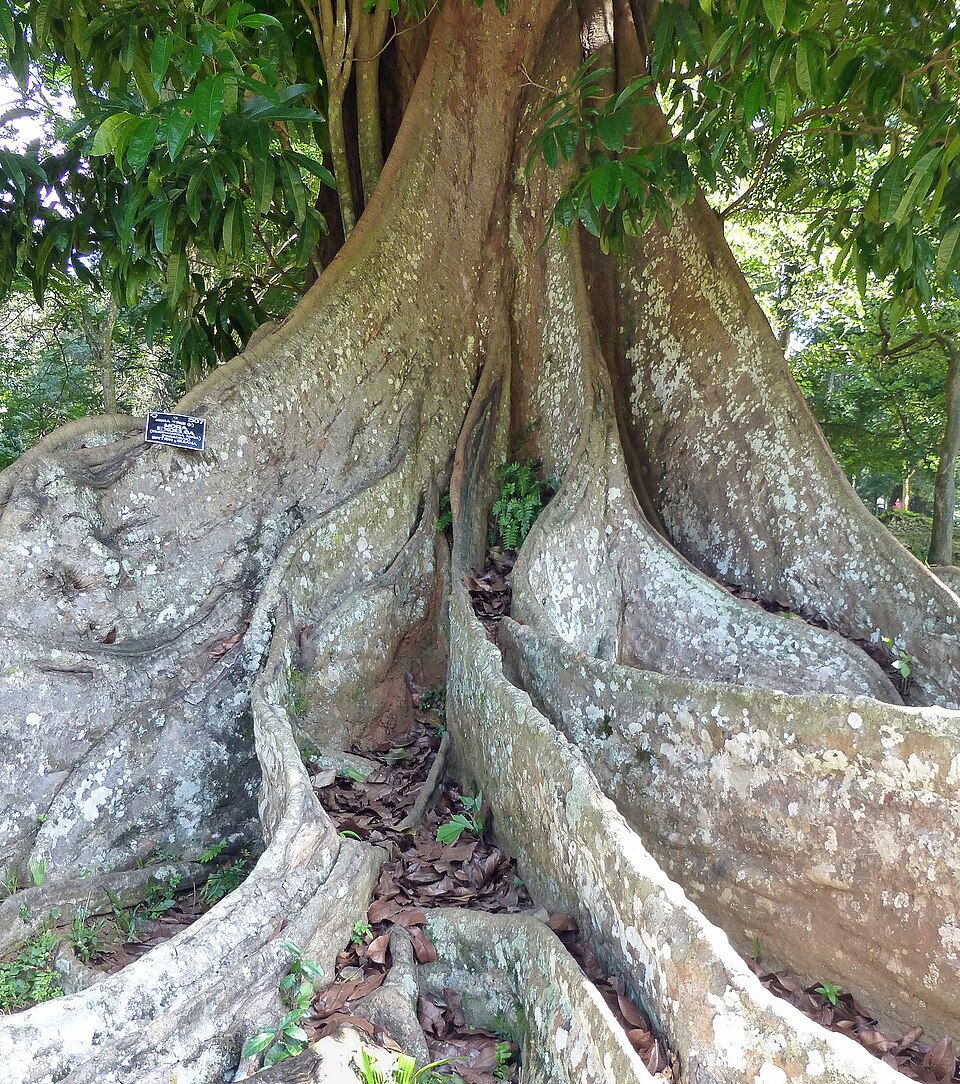
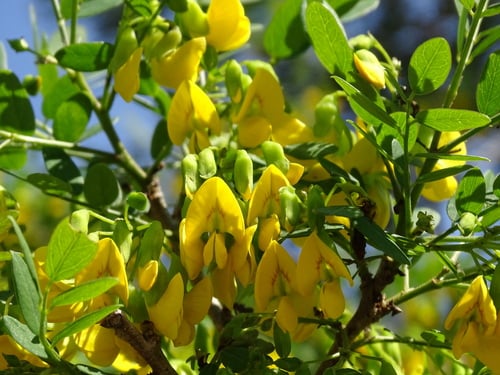
wikimedia· cc-by-sa
Wikimedia Commons - Friedrich Haag
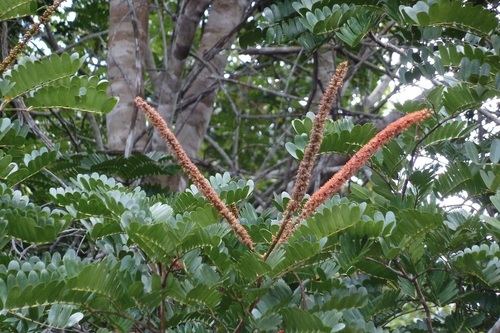
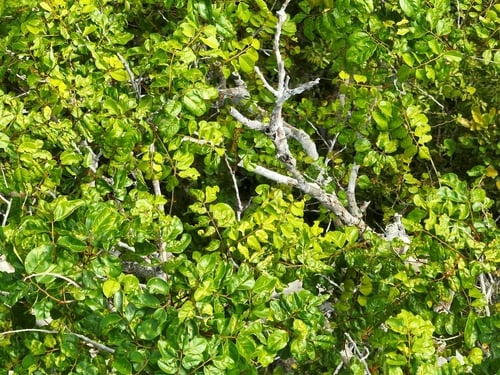
wikimedia· cc-by
Wikimedia Commons - Forest and Kim Starr
Description
A tropical tree in the Fabaceae family with bark that is used as an edible portion.
This description is brief — help expand it
Medicinal Uses
Aromatic oil can be extracted from the bark, leaves, and roots of Cinnamomum burmanni. The bark is also used as a cinnamon bark. The leaves can be used as a spice for preserved food and canned meat instead of laurel leaves. The core contains fat, which can be squeezed for industrial use. The wood is used for fine furniture and other fine work materials. C. burmanni is also a Chinese herbal medicine. The most common and cheapest type of cinnamon in the US is made from powdered C. burmanni. C. burmanni oil contains no eugenol, but higher amounts of coumarin than C. cassia and Ceylon cinnamon with 2.1 g/kg in an authenticated sample, and a mean of 5.0 g/kg in 8 samples tested. It is also sold as quills of one layer.
Distribution
A tropical plant.
Where It Grows
Asia, Indonesia, SE Asia,
Notes
There are 100 Cassia species. This group has been revised to a smaller more consistent group. Also as Caesalpinaceae. Three unresolved with authorities DC., Wall and Wight.
Synonyms
References (2)
- Macmillan, H.F. (Revised Barlow, H.S., et al), 1991, Tropical Planting and Gardening. Sixth edition. Malayan Nature Society. Kuala Lumpur. p 375
- van Wyk, B., 2005, Food Plants of the World. An illustrated guide. Timber press. p 135