Ficus cotinifolia
Kunth
iNaturalist· cc-by-nc
(c) Alejandro Reza Hernández, some rights reserved (CC BY-NC), uploaded by Alejandro Reza Hernández
iNaturalist· cc-by-nc
(c) Aurelio Molina Hernández., some rights reserved (CC BY-NC), uploaded by Aurelio Molina Hernández.
iNaturalist· cc-by
(c) Francisco Farriols Sarabia, some rights reserved (CC BY), uploaded by Francisco Farriols Sarabia
Summary
Source: WikipediaFicus cotinifolia, the alamo tree, is a species of flowering plant in the family Moraceae, native to seasonally dry tropical areas of Mexico and Central America. It often sends roots down to cenotes and other underground water sources.
Description
A fig. It is a tree. It can be 3-25 m tall. It has aerial roots. The leaves are rounded. The figs are small.
This description is brief — help expand it
Edible Uses
The figs are eaten, especially by children.
Traditional Uses
The figs are eaten.
This uses section is brief — help expand it
Medicinal Uses
The latex, mixed with the powdered bark, is applied to wounds and bruises.
Distribution
A tropical plant. In Mexico it grows between 950-1750 m above sea level.
Where It Grows
Central America, Mexico*, North America,
Cultivation
Plants flower throughout the year. Fig trees have a unique form of fertilization, each species relying on a single, highly specialized species of wasp that is itself totaly dependant upon that fig species in order to breed. The trees produce three types of flower; male, a long-styled female and a short-styled female flower, often called the gall flower. All three types of flower are contained within the structure we usually think of as the fruit. The female fig wasp enters a fig and lays its eggs on the short styled female flowers while pollinating the long styled female flowers. Wingless male fig wasps emerge first, inseminate the emerging females and then bore exit tunnels out of the fig for the winged females. Females emerge, collect pollen from the male flowers and fly off in search of figs whose female flowers are receptive. In order to support a population of its pollinator, individuals of a Ficus spp. must flower asynchronously. A population must exceed a critical minimum size to ensure that at any time of the year at least some plants have overlap of emmission and reception of fig wasps. Without this temporal overlap the short-lived pollinator wasps will go locally extinct.
Other Uses
The latex contains rubber. It is used as an adulterant of chicle. The fibrous bark can be used as a paper. The wood is white throughout. This species is one of the first trees to appear on dirt-covered stone ruins in Yucatan, and its spreading roots, after taking hold in the ground, soon cover the entire mounds. This should make the plant an excellent pioneer species for restoring woodland in open areas.
Other Information
Fruit eaten especially by children.
Notes
There are about 800-1000 Ficus species. They are mostly in the tropics. There are 120 Ficus species in tropical America.
Synonyms
Also Known As
Higo silvestre, Higueron
References (8)
- Altschul, S.V.R., 1973, Drugs and Foods from Little-known Plants. Notes in Harvard University Herbaria. Harvard Univ. Press. Massachusetts. no. 704 and also no. 706 (As Ficus pringlei)
- Casas, A., et al, 1996, Plant Management Among the Nahua and the Mixtec in the Balsas River Basin, Mexico: An Ethnobotanical Approach to the Study of Plant Domestication. Human Ecology, Vol. 24, No. 4 pp. 455-478
- Cruz, I. M., et al, 2015, Edible fruits and seeds in the State of Mexico. Revista Mexicana de Ciencias Agricolas. Vol. 6. Num. 2 pp 331-346
- Piedra-Malagon, E. M., et al, 2006, El Genero Ficus (Moraceae) en al estado de Morelos, Mexico. Acta Botanica Mexicana 75:45-75
- Piedra-Malagón, E. M., et al, 2022, Edible native plants of the Gulf of Mexico Province. Biodiversity Data Journal 10: e80565 p 25
Show all 8 references Hide references
- Segura, S., et al, 2018, The edible fruit species in Mexico. Genet Resour Crop Evol (2018) 65:1767–1793
- F. W. H. A. von Humboldt et al., Nov. gen. sp. 2:39[folio]; 2:49[quarto]. 1817
- Yetman, D., 2002, The Guarijios of the Sierra Madre: Hidden People of Northwestern Mexico. University of New Mexico Press. p 212
More from Moraceae
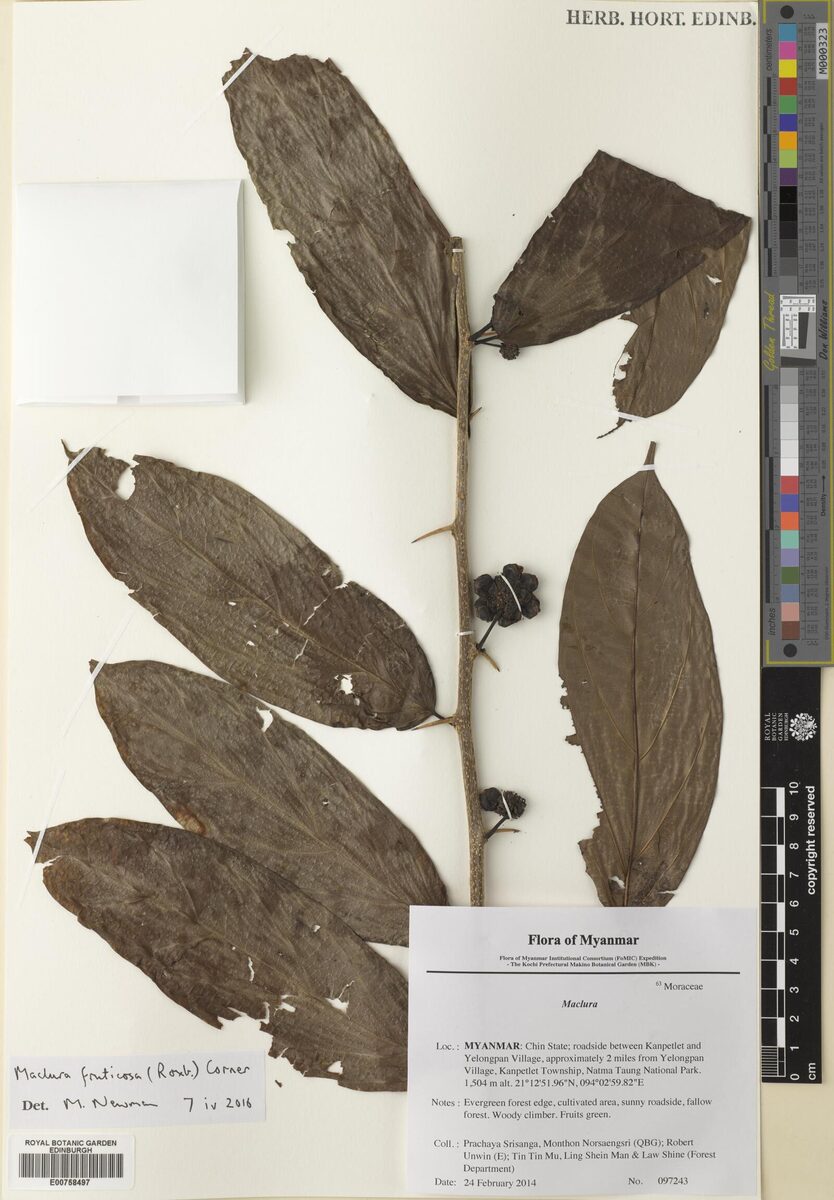
Maclura fruticosa
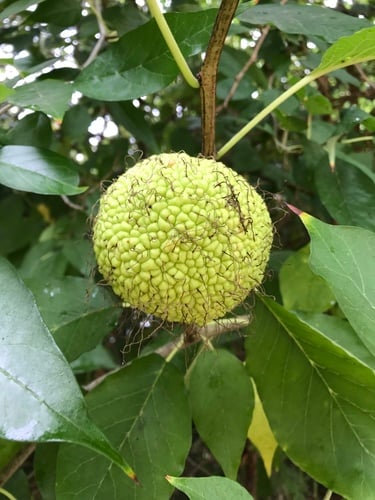
Maclura pomifera
Osage orange, Bow-wood, Hedge apple, Bodark, Bois d'arc
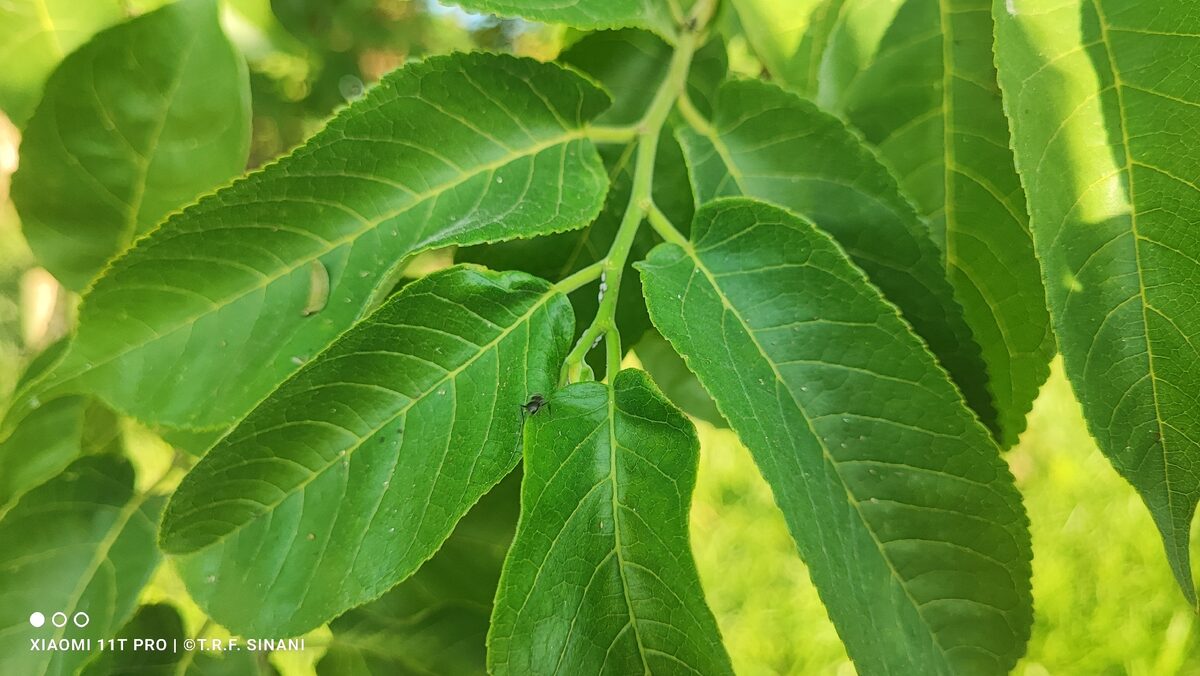
Maclura tinctoria - (L.) D.Don ex Steud.
Fustic Tree
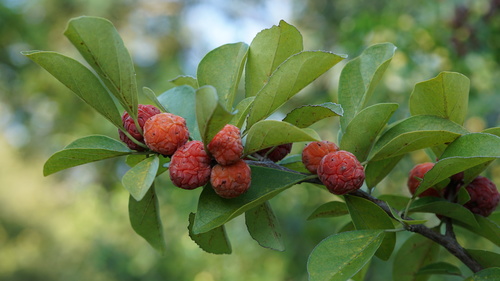
Maclura tricuspidata
Che, Silkworm thorn, Chinese Che, Chinese Mulberry, Cudrang, Mandarin Melon Berry, Tuo, Zheshu, Zhe tree
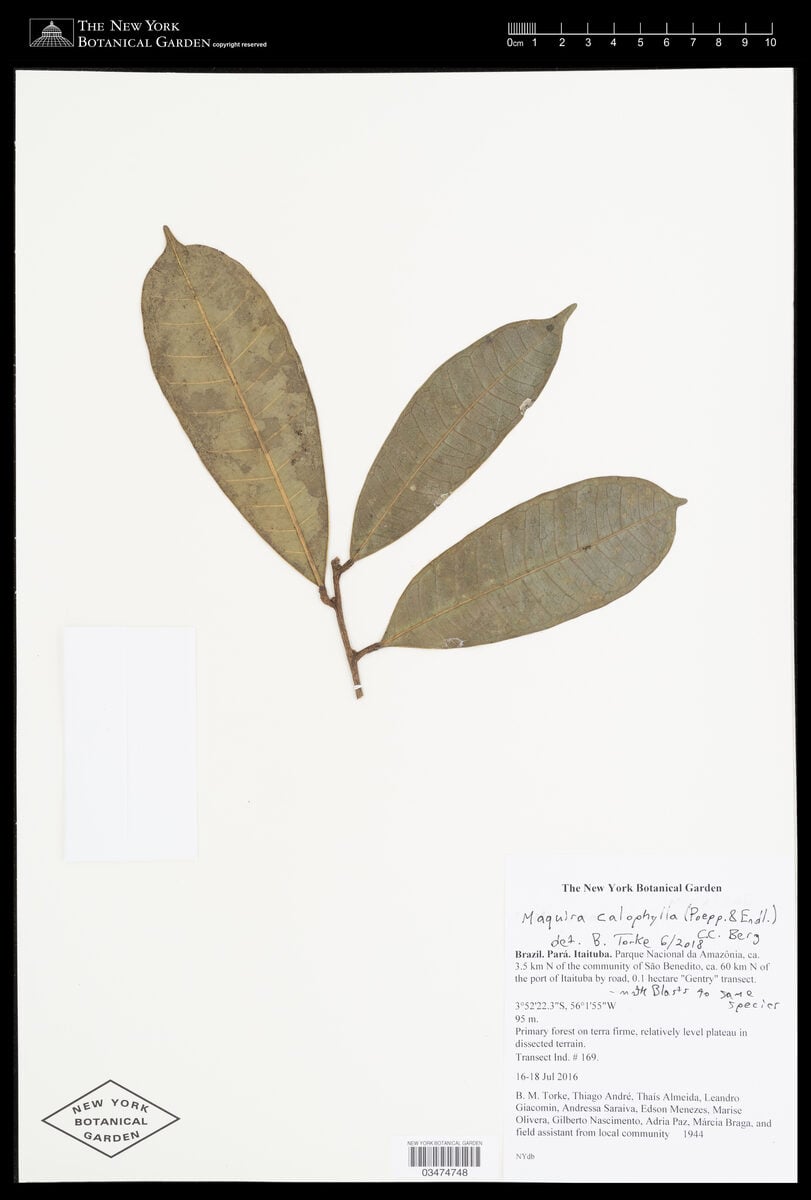
Maquira calophylla
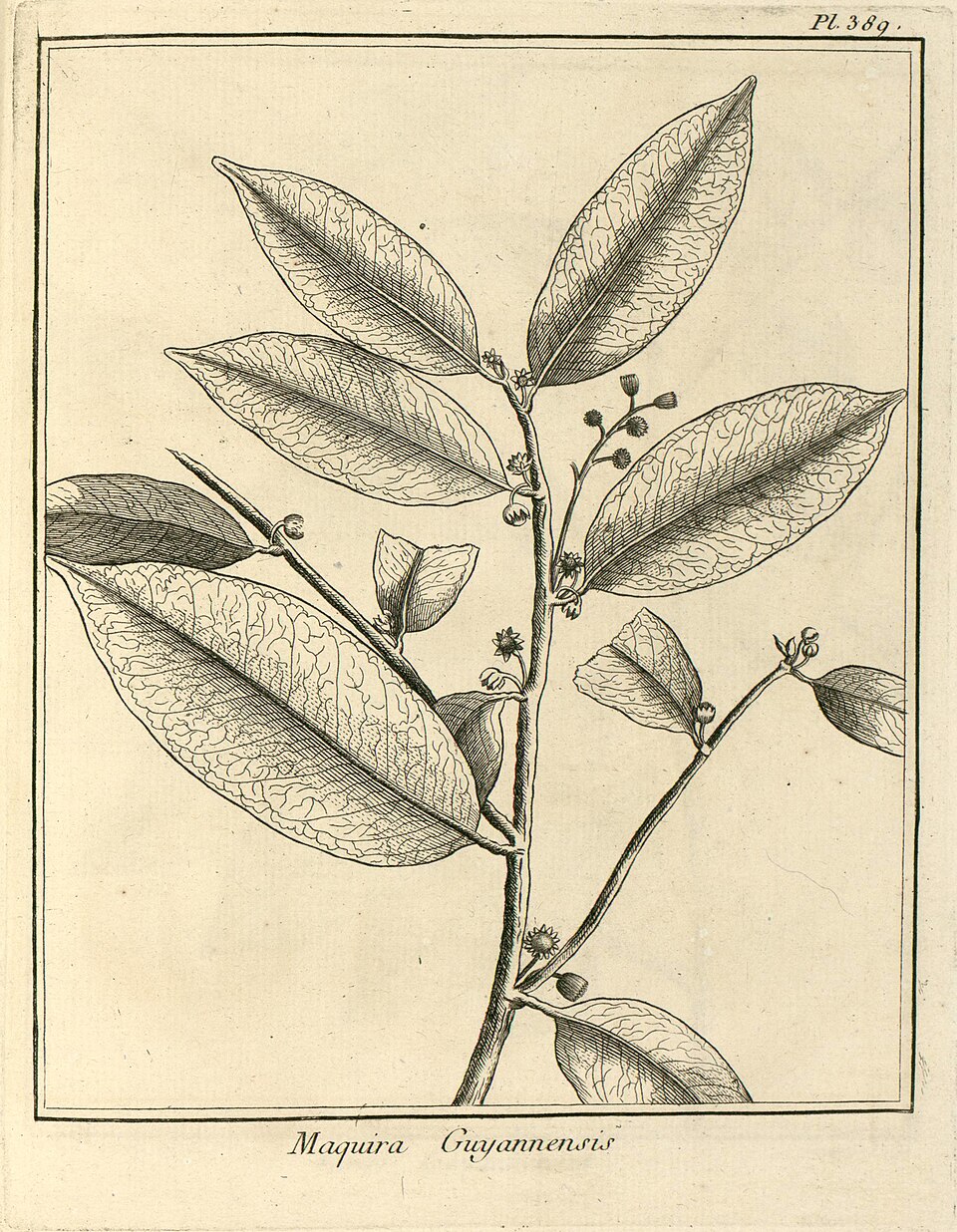
Maquira guianensis