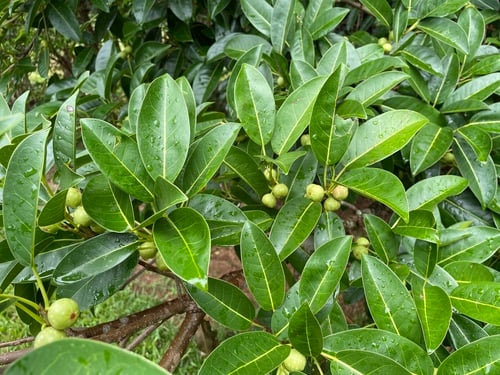
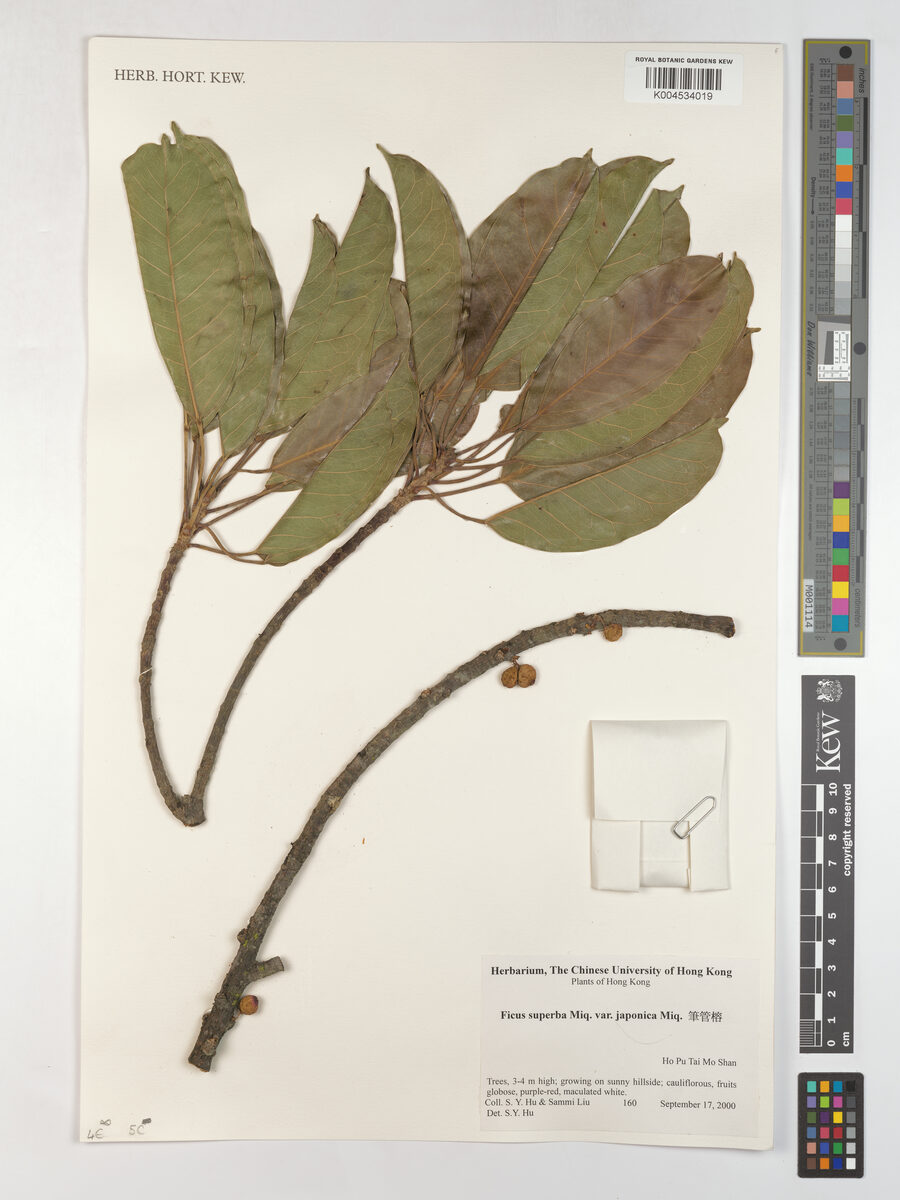
Ficus fischeri
Warb. ex Mildbr. & Burret
Poplar-leaved fig
iNaturalist· cc-by-nc
(c) Barbara Curtis, some rights reserved (CC BY-NC), uploaded by Barbara Curtis
iNaturalist· cc-by-nc
(c) Barbara Curtis, some rights reserved (CC BY-NC)
Description
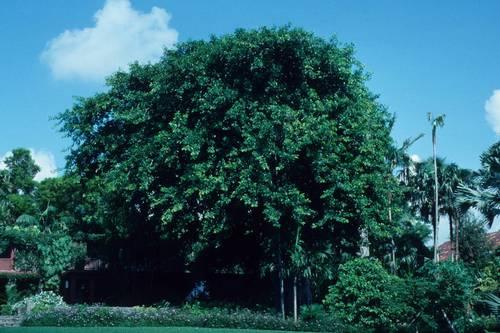
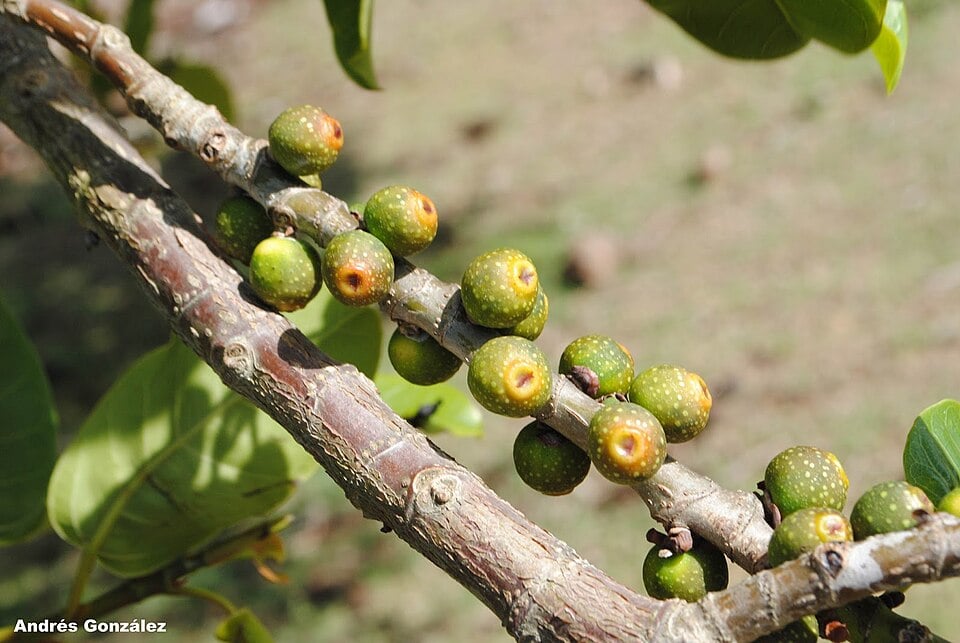
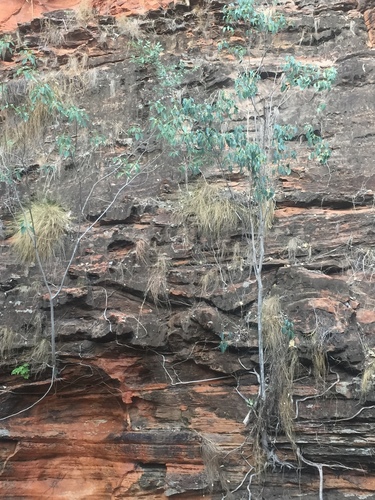
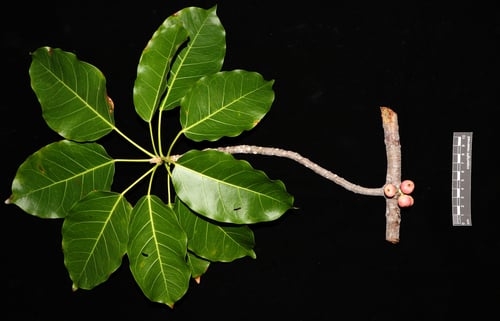
A fig. It is an evergreen tree. It grows 15 m tall. It starts attached to other plants but soon establishes itself to the soil. The crown is flat topped. The leafy twigs are 4-10 mm thick. The leaves are arranged in spirals. The leaves are 7-17 cm long by 5-11 cm wide. They are leathery. There are 9-15 pairs of side veins and the leaves do not have hairs. The figs occur singly or in pairs. They are in the axils of leaves. They are about 2 cm across. They are yellow-green when ripe.
Edible Uses
The fruit is eaten.
Distribution
It is a tropical plant. It grows along rivers and in woodland. It is often on termite mounds. It grows between 900-1,500 m altitude. It cannot tolerate frost. It grows in areas with a marked dry season. It can grow in arid places.
Where It Grows
Africa, Angola, Botswana, Central Africa, Congo, East Africa, Malawi, Mozambique, Namibia, South Africa, Southern Africa, Tanzania, Zambia, Zimbabwe,
Cultivation
Plants can be grown from seeds. The seeds usually germinate in the joints in branches and send down roots to the ground. It can be grown from large cuttings. The wasp pollinator is Elisabethiella platyscapa Wiebes.
Synonyms
Also Known As
Musuwa, Mutaba, Mutata, Muwonde
References (9)
- East African Herbarium records, 1981,
- Flora Zambesiaca. http://apps.kew.org/efloras
- Fowler, D. G., 2007, Zambian Plants: Their Vernacular Names and Uses. Kew. p 48
- Newman, 1970,
- Peters, C. R., O'Brien, E. M., and Drummond, R.B., 1992, Edible Wild plants of Sub-saharan Africa. Kew. p 149
Show all 9 references Hide references
- Royal Botanic Gardens, Kew (1999). Survey of Economic Plants for Arid and Semi-Arid Lands (SEPASAL) database. Published on the Internet; http://www.rbgkew.org.uk/ceb/sepasal/internet [Accessed 4th May 2011]
- World Checklist of Useful Plant Species 2020. Royal Botanic Gardens, Kew
- www.figweb.org
- www.zimbabweflora.co.zw 2011