Chrysophyllum venezuelanense
(Pierre) Pennington
Usina, Venezuela starapple
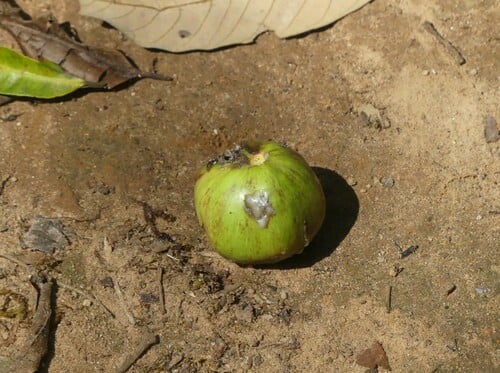
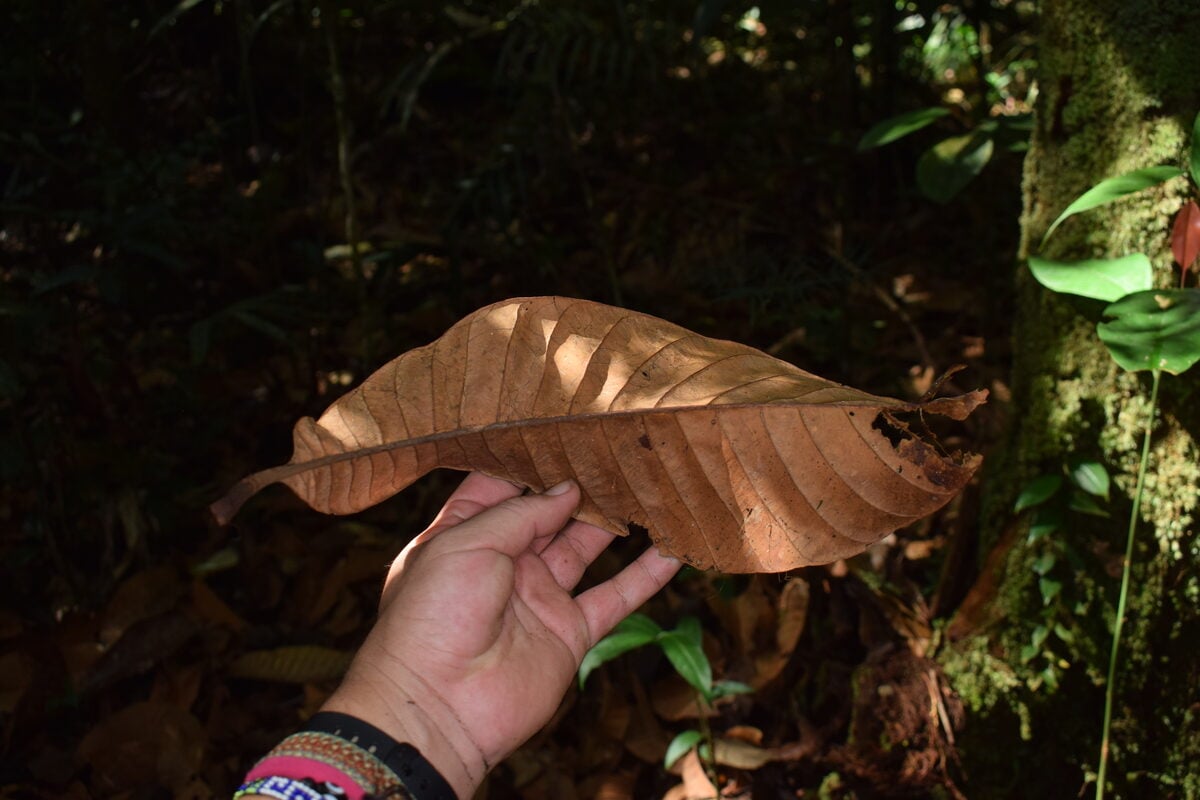
iNaturalist· cc-by-nc
(c) Pedro Blanco, some rights reserved (CC BY-NC)
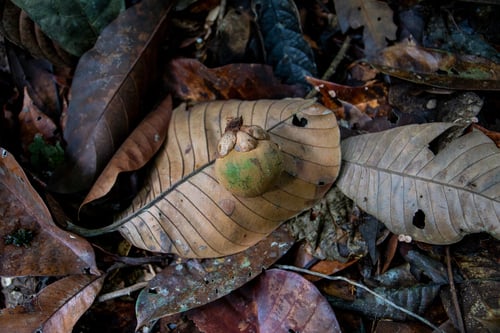
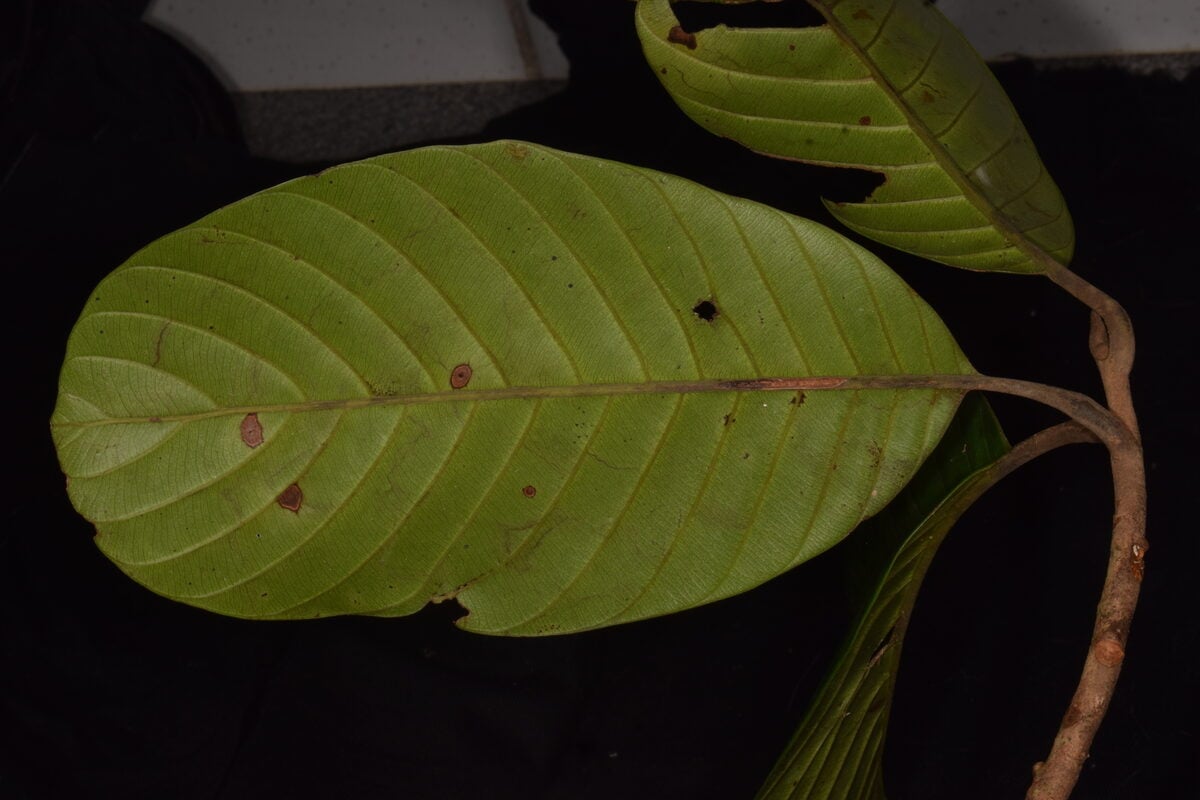
iNaturalist· cc-by-nc
(c) Pedro Blanco, some rights reserved (CC BY-NC)
iNaturalist· cc-by-nc
(c) Pedro Blanco, some rights reserved (CC BY-NC)
Description
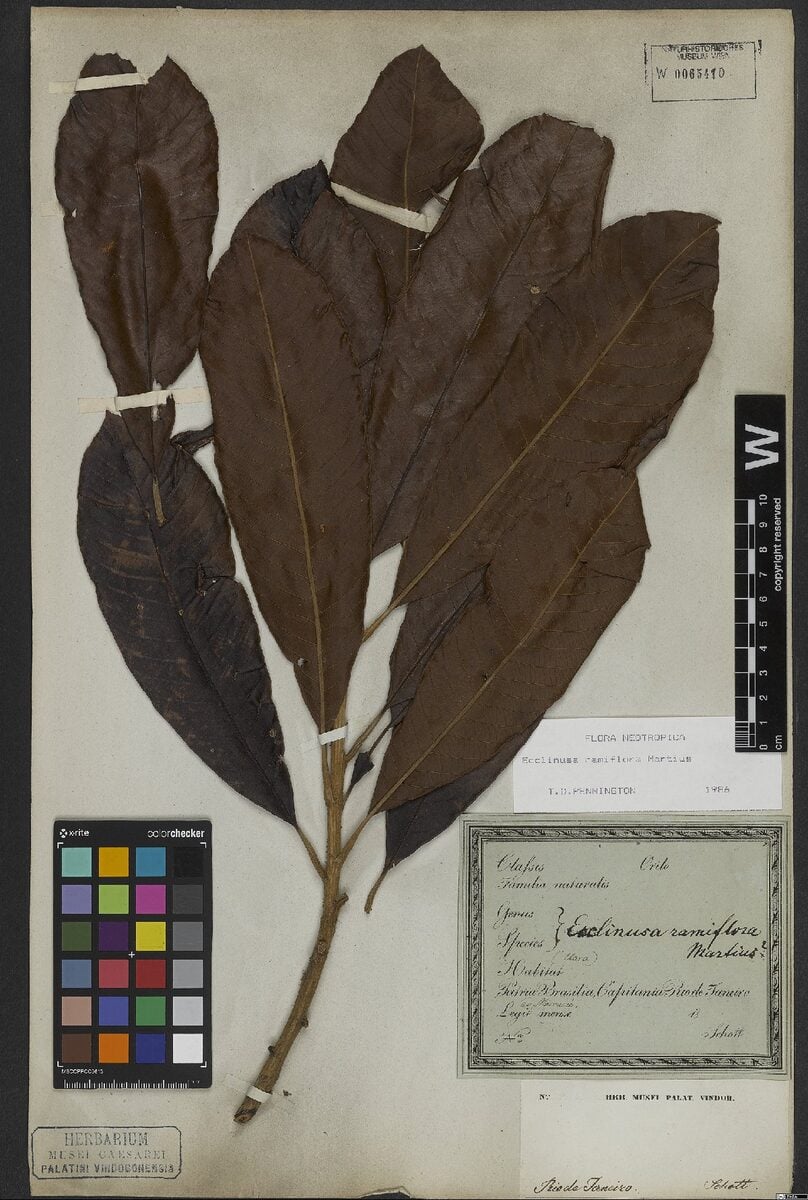
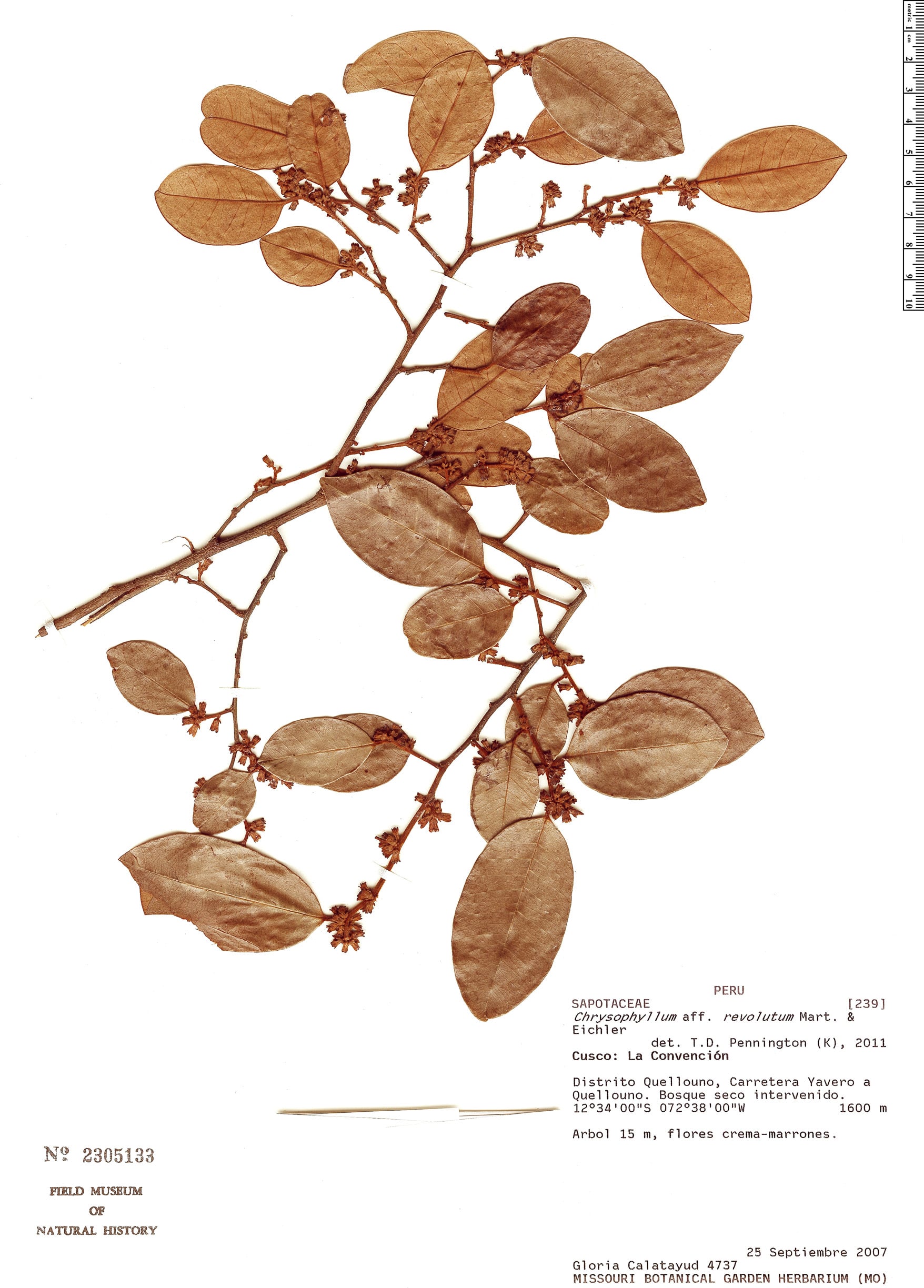
A tree. It grows 15-25 m tall. The trunk is irregular. It is 1.5 m across. The leaves are alternate and 10-12 cm long by 3.5-5 cm wide. The flowers are white. The fruit is oval and 4-5 cm long by 2-3 cm wide. There are 4-5 seeds.
Edible Uses
The fruit of Cornuella venezuelanensis is edible. The timber is used in construction and for fences.
Distribution
A tropical plant. In Bolivia it grows up to 500 m altitude. The rainfall is 1,500 mm per year.
Where It Grows
Amazon, Belize, Bolivia, Central America, Colombia, Costa Rica, Ecuador, French Guiana, Guatemala, Mexico, North America, Panama, Peru, South America, Venezuela,
Other Uses
The seeds are used to make necklaces. The wood is used for fence posts and in the construction of dwellings.
Other Information
It is cultivated.
Notes
There are about 80-150 Chrysophyllum species. They are mostly in tropical America. There are 44 species in tropical America.
Synonyms
Also Known As
Airo toa, Caimito muyu, Caimito yuy, Chicozapote del monte, Con'si shasha, Fibande, Naso toa, Sacha aviyu, Sacha caimito, Titekawe
References (10)
- Grandtner, M. M. & Chevrette, J., 2013, Dictionary of Trees, Volume 2: South America: Nomenclature, Taxonomy and Ecology. Academic Press p 131
- Ibarra-Manriquez, G., et al, 1997, Useful Plants of the Los Tuxtlas Rain Forest (Veracruz, Mexico): Considerations of their Market Potential. Economic Botany, Vol. 51, No. 4, pp. 362-376
- Kermath, B. M., et al, 2014, Food Plants in the Americas: A survey of the domesticated, cultivated and wild plants used for Human food in North, Central and South America and the Caribbean. On line draft. p 228
- Pennington, T.D., 1990, Sapotaceae in Flora Neotropica Monograph 52. New York Botanical Gardens. p 607
- Piedra-Malagón, E. M., et al, 2022, Edible native plants of the Gulf of Mexico Province. Biodiversity Data Journal 10: e80565 p 29
Show all 10 references Hide references
- Roa, J. A. G. & Boada, D. S. G., 2018, Fundación para el Fortalecimiento de la Fruticultura y Plantas Alimenticias no Convencionales en Colombia.
- Torre, de la, L., et al, 2008, Enciclopedia de las Plantas Útiles del Ecuador. Herbario QCA. Pontificia Universidad Católica del Ecuador. p 570
- Van den Eynden, V., & Cueva, E., 2008, Las plantas en la alimentacion. Enciclopedia de las Plantas Utiles del Ecuador. Herbario QCA & Herbario AAU. Quito & Aarhus. 2008: 62–66
- Van Roosmalen, M.G.M., & Garcia, O. M., 2000, Fruits of the Amazonian Forest. Part 2: Sapotaceae. Acta Amazonica 30(2): 187-290
- Vasquez, Roberto Ch. & Coimbra, German S., 1996, Frutas Silvestres Comestibles de Santa Cruz. p 212