Pouteria gomphiifolia
(Martius ex Miq.) Radlkofer
Abiurana de baixo
gbif· cc-by-nc-sa
MBG
gbif· cc-by-nc-sa
MBG
gbif· cc-by-nc-sa
MBG
Description
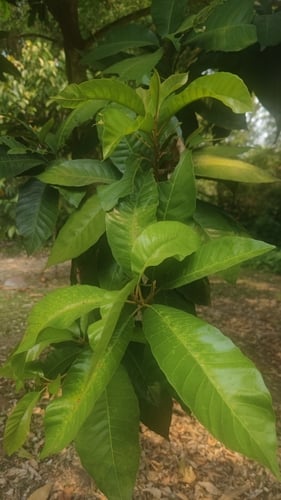
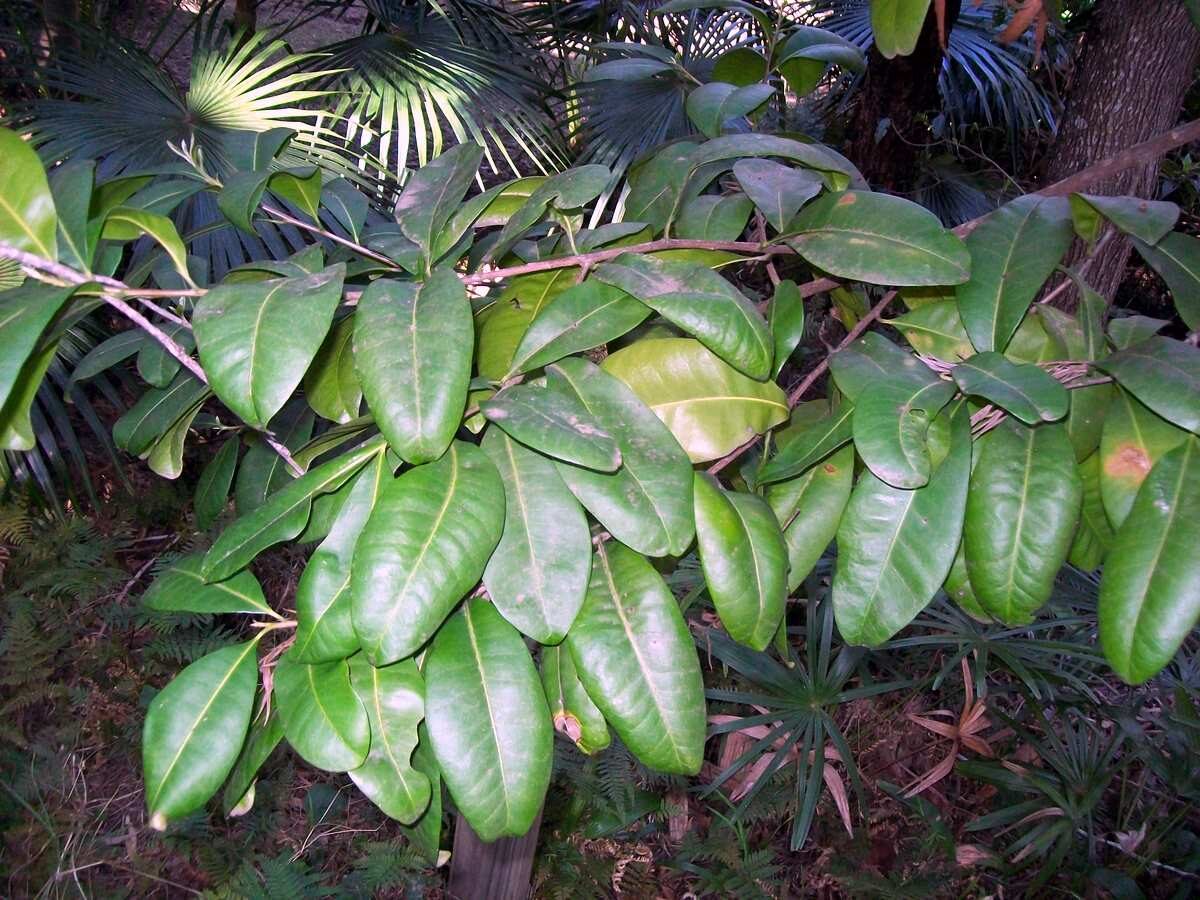
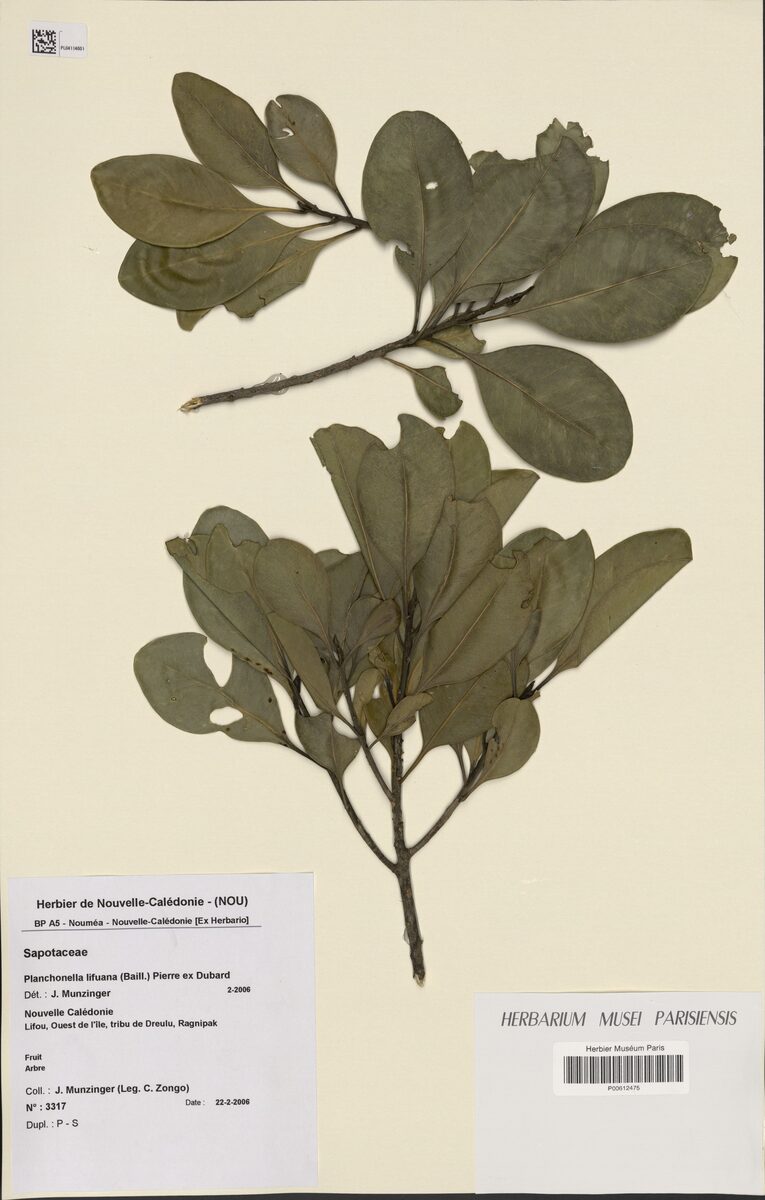
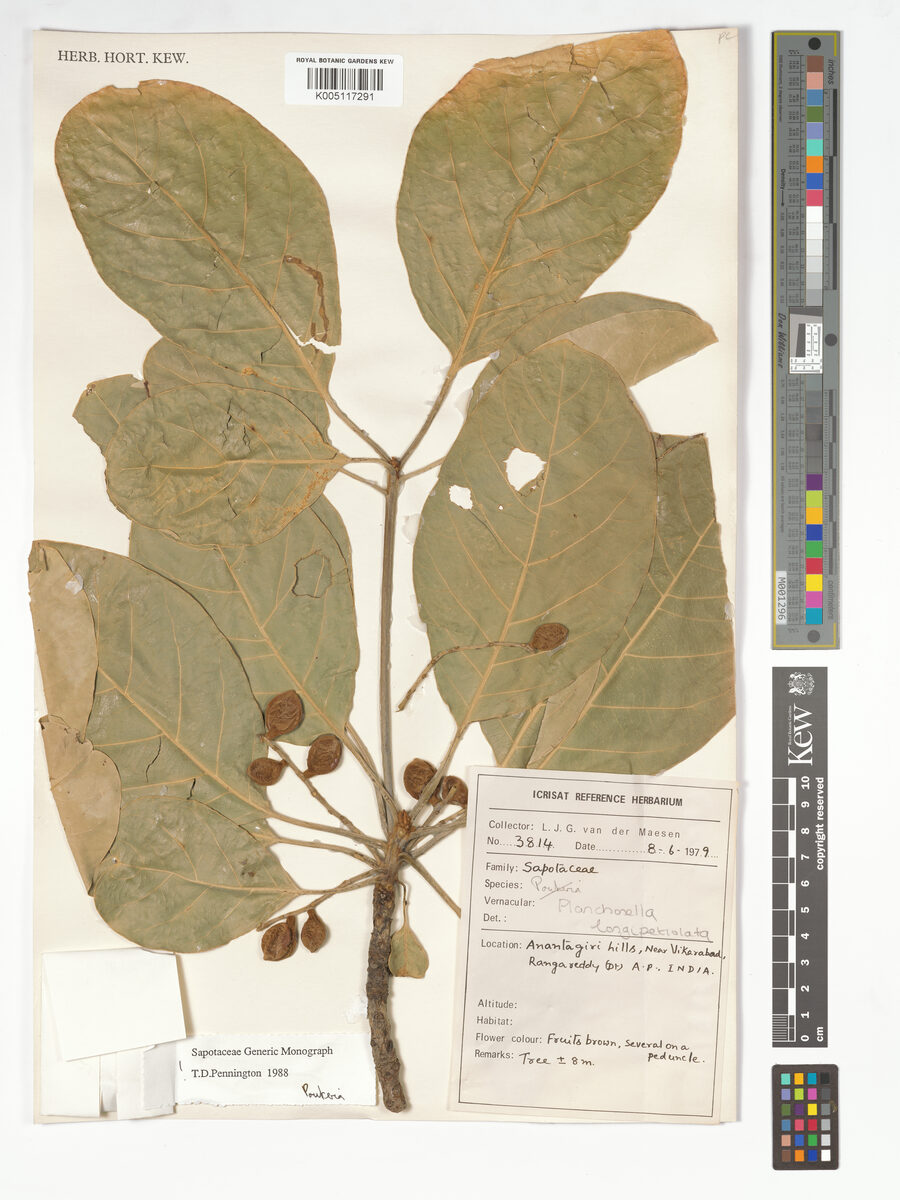
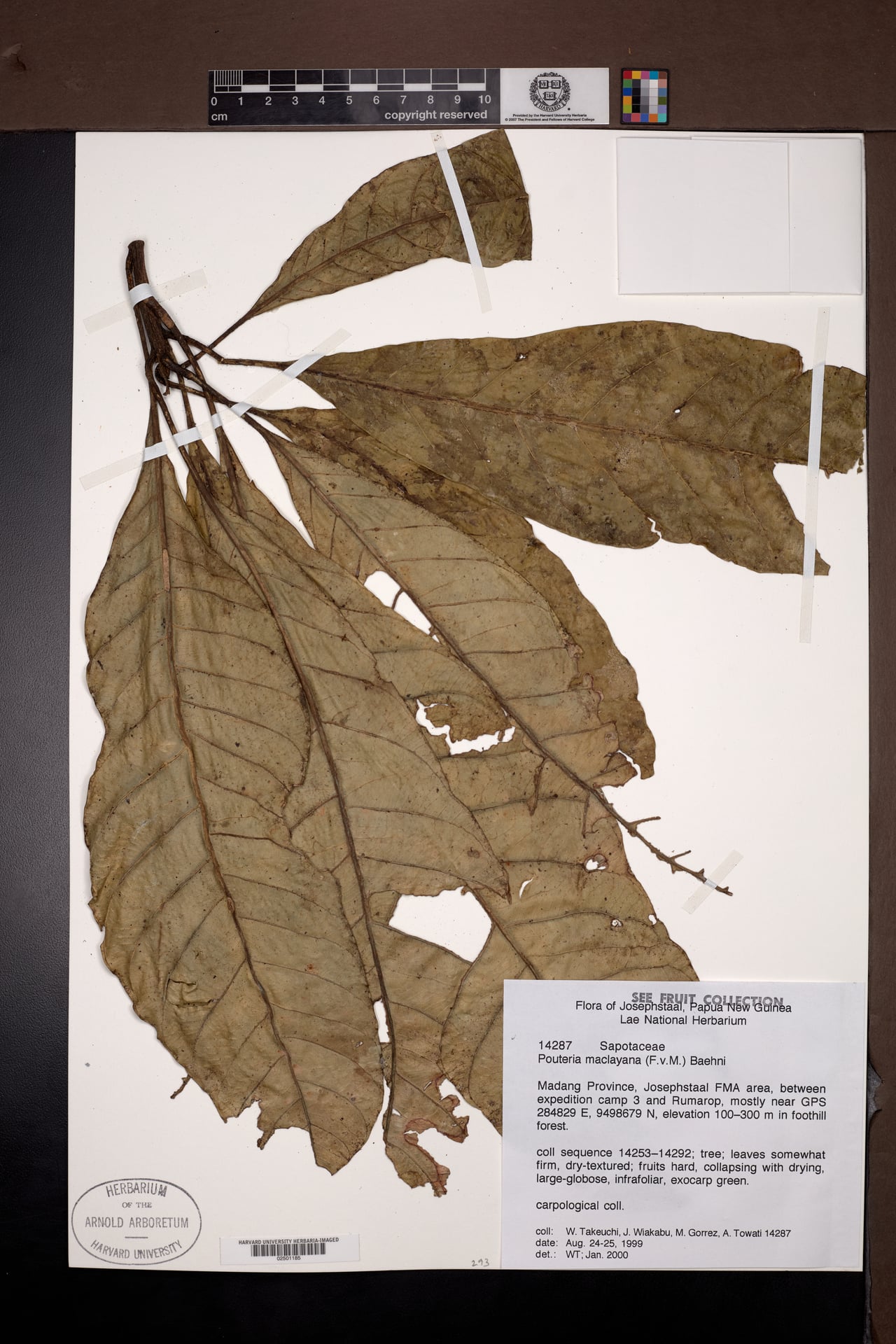
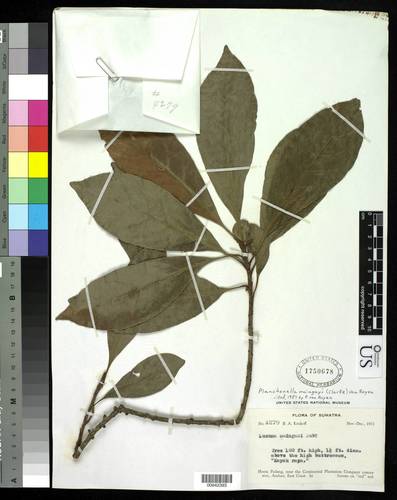
A tree. It grows 30 m tall. The trunk can be 80 cm across. It can have buttresses 1 m high. The leaves are in loose clusters and are arranged in spirals. They are 6-20 cm long by 2-6 cm wide. They are broadly sword shaped. The flowers are in groups of 3-10. They are in the axils of leaves or below the leaves. The flowers are green. The fruit are 5-6 cm long. They turn yellow to orange as they ripen.
Edible Uses
The fruit is eaten.
Distribution
A tropical plant. It grows from sea level to 250 m above sea level in flooded areas.
Where It Grows
Amazon, Brazil, Colombia, Peru, South America, Venezuela,
Production
Flowering occurs June to October and fruit ripen May to July.
Notes
There are about 150-320 Pouteria species. They grow in the tropics.
Synonyms
Also Known As
Abiurana do igapo, Abiurana maparajuba, Abiurana streita, Caimitillo, Macaranduba, Massaranduba, Quinilla, Quinilla amarilla, Temarito rebalsero
References (5)
- Grandtner, M. M. & Chevrette, J., 2013, Dictionary of Trees, Volume 2: South America: Nomenclature, Taxonomy and Ecology. Academic Press p 526
- Kermath, B. M., et al, 2014, Food Plants in the Americas: A survey of the domesticated, cultivated and wild plants used for Human food in North, Central and South America and the Caribbean. On line draft. p 690
- Pennington, T.D., 1990, Sapotaceae in Flora Neotropica Monograph 52. New York Botanical Gardens. p 463
- Roa, J. A. G. & Boada, D. S. G., 2018, Fundación para el Fortalecimiento de la Fruticultura y Plantas Alimenticias no Convencionales en Colombia.
- Van Roosmalen, M.G.M., & Garcia, O. M., 2000, Fruits of the Amazonian Forest. Part 2: Sapotaceae. Acta Amazonica 30(2): 187-290