Toxicodendron sylvestre
(Siebold & Zucc.) Kuntze
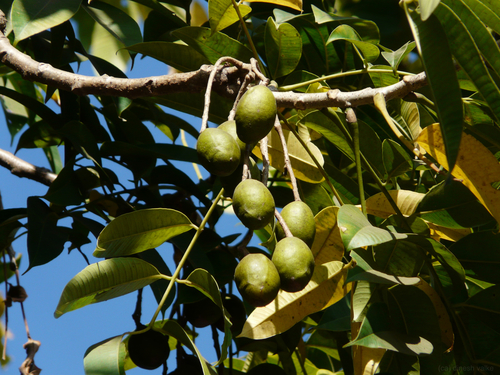
iNaturalist· cc-by-nc
(c) MP Zhou, some rights reserved (CC BY-NC)
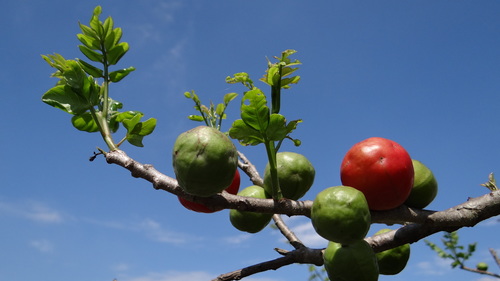
iNaturalist· cc-by-nc
(c) MP Zhou, some rights reserved (CC BY-NC)
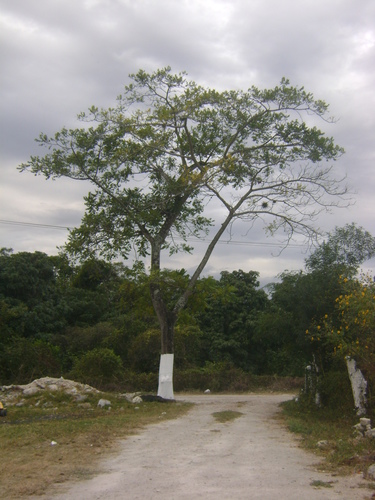
iNaturalist· cc-by-nc
(c) MP Zhou, some rights reserved (CC BY-NC)
Summary
Source: WikipediaToxicodendron sylvestre, the mountain lacquer tree or wood lacquer tree, is a species of flowering plant in the sumac family Anacardiaceae. It is native to southern China, Taiwan, South Korea, Japan, and the Ryukyu Islands. A deciduous tree reaching 10 m (33 ft), it is typically found in forests at elevations from 100 to 800 m (300 to 2,600 ft), occasionally higher.
Description
Deciduous tree reaching 10m tall and 8m wide, growing at medium rate. Hardy to UK zone 9. Bee-pollinated. Adapts to light sandy, medium loamy, and heavy clay soils preferring well-drained conditions across mildly acid to basic pH. Grows in semi-shade or full sun and prefers moist soil.
Edible Uses
None known.
Medicinal Uses
None known.
Distribution
It is a temperate plant.
Where It Grows
Asia, China, Japan, Korea, Taiwan,
Propagation
Pre-soak seed for 24 hours in hot water (starting at 80–90°C and allowing it to cool) before sowing, to leach out germination inhibitors. Stored seed also benefits from hot water treatment and can be sown in early spring. Prick seedlings into individual pots once large enough to handle and grow on before planting out in late spring or early summer after the last expected frosts. Half-ripe wood cuttings of 10cm with a heel can be taken in midsummer in a frame. Root cuttings 4cm long taken in midwinter can be potted up with good success rates. Suckers can also be taken in late autumn to winter.
Other Uses
The leaves are rich in tannin and can be collected as they fall in autumn for use as a brown dye or as a mordant. An oil extracted from the seeds attains a tallow-like consistency on standing and is used to make candles, which burn brilliantly but emit a pungent smoke. The oblique, compressed drupe is around 8mm × 6–7mm with a thick, waxy mesocarp. A lacquer is obtained from the plant's sap, though one report indicates this species does not yield a varnish.
Notes
There are about 200 Rhus species.
References (1)
- Abh. Math.-Phys. Cl. Koenigl. Bayer. Akad. Wiss. 4(3):140. 1845 (As Rhus sylvestris)